History repeats itself. Spanish Flu and Covid 19, Economic War and Brexit?
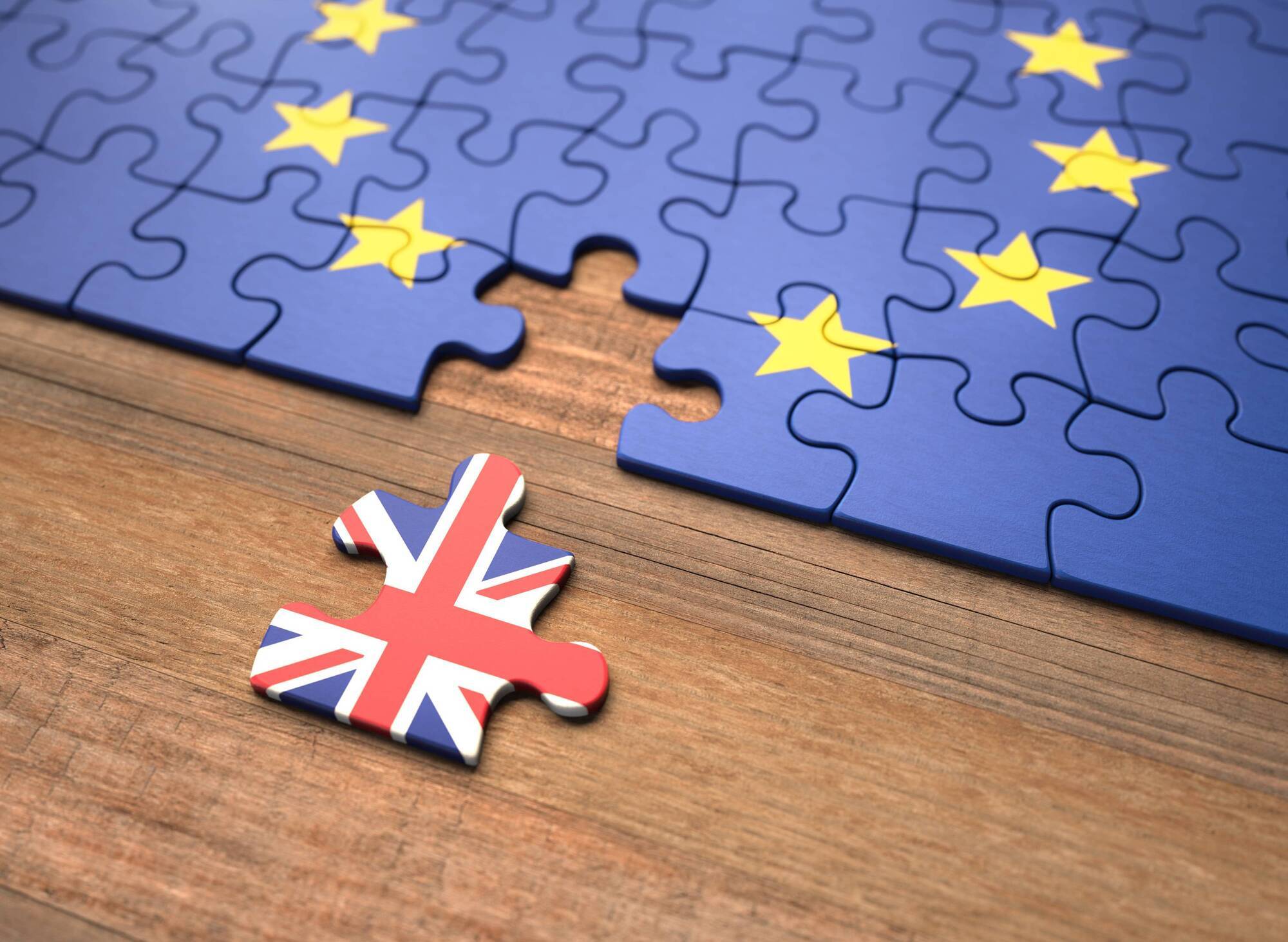
Brexit negotiations have stalled, with the two key stumbling blocks being access to British fishing waters and the EU’s demand that the UK tie itself closely to the bloc’s state aid, labour and environmental standards, to ensure it does not undercut the EU’s Single Market.
While Covid-19 has occupied national headlines for the past six months, the countdown to Britain leaving the EU continues to ebb away, with just 18 weeks left.
It has been said that Covid-19 is a once in 100 years event; Brexit is also a once in 100 years event.
The trading relationship between Ireland and the UK has been one of mutual benefit and free trade for nearly 50 years, since 1973, the year of our joint accession to the European Economic Community, the forerunner of today’s European Union.
Further back in history, Ireland and the UK had, for the most part, favourable reciprocal arrangements, especially so since the 1940s.
Prior to that, the Anglo Irish Trade War (1932-1938) was once such time in our past when the trading relationship between Ireland and the UK deteriorated, with disastrous consequences for Irish farmers.
Prior to 1932, approximately 90% of all Irish exports went to Britain, similarly the vast majority of imports to Ireland came from the UK, including the coal which was used to power trains and, of course, electricity generation.
The new Irish Free State sought to avoid paying land annuities to the UK, this was effectively a result of an exacerbation of the inability to pay, in the case of more and more farmers following the 1929 depression, as well as an appetite within the State for retention of the annuities, to bolster the weak finances of the country.
The newly elected administration headed up by Fianna Fáil in 1932 had campaigned on withholding land annuity payments from the British exchequer amounting to £3.7 million. Annuities were annual sums collected from farmers and sent to England due on the purchase of lands by tenant farmers from English landlords following the land reform acts of the 1890s.
Ultimately, the election promises doled out prior to the 1932 election left Fianna Fáil with no choice but to live up to its commitments.
Initially, the economy in Ireland did well, running a surplus thanks to the retention of the annuities in the Irish coffers, however the UK Government retaliated in subsequent years with the imposition of tariffs on the importation of goods, including agricultural products from Ireland.
Notably, tariffs of up to 88% were applied to Irish cattle.
The UK government had hoped that De Valera’s government would lose much of the support it had garnered from farmers, who were now in dire straits after having been promised an easier run.
Rather than giving in on the annuities, the Irish government sought to retaliate by imposing duties on the importation of coal, steel, sugar and cement.
Ireland set up its own sugar factories in Carlow, Mallow and Thurles.
The UK further ramped up pressure by imposing import quotas, that additional measure not alone meant that the price available to Irish farmers was subdued by the tariffs, but now only a certain quantity could be brought into the UK.
The Irish Government brought in subsidies (bounties) to support prices at the farm gate, and even a slaughter scheme and a free-meat scheme to stem oversupply of cattle and poor prices in the domestic market.
The impasse was unlocked when the Coal for Cattle agreement was reached, with tariffs reduced on both products as reciprocal measures.
Irish farmland prices jumped in the year 1933 as farmers, free, or at least expecting to be freer from the shackles of annuities, were full of exuberance.
Land prices rose by 34% that year. However, by 1934, land prices collapsed by 60%, as farmers suffered severely.
The so-called Economic War between the Irish Free State and Britain lasted from 1932 to 1938, and stories of destitution of that time have been passed down the generations.
Ninety years later, the prospect of world trade tariffs of 85% on Irish beef could once again decimate Irish cattle farmers.
However, unlike that older time, our economy is now much less dependent on cattle farmers as the main thrust of our economic output.
Equally, less of our exports are destined for the UK now, compared to the 1930s, meaning our exposure to market disruption is somewhat obviated.
That comes as cold comfort for Ireland’s 90,000 beef farmers who would be adversely affected.
The Brexit leaving date of December 31 has been set in legislation, and for now, a collision course between the immovable object that is the EU and the unstoppable force that is the UK (in its desire to break free) seems set to cause untold damage for Irish farmers.
Whether both sides (the UK and the EU) can see sense and agree a framework for mutual benefit remains unknown.
History may have repeated itself with Covid 19 likened to the Spanish Flu outbreak of 1918, let’s hope history doesn’t repeat itself when it comes to trade relations.