The spirit of meitheal has been revived by the Covid-19 crisis


MEITHEAL is a word that describes the rural tradition of neighbours coming together to save the hay, cut the turf, and help each other in times of need.
The earthy expression springs from the soul of Ireland, reflects the caring heritage of the people, and has now been adopted as the signature of a remarkable national endeavour.
Coronavirus, which began in China, is now spreading across the globe, infecting populations, forcing billions of people into isolation, and causing mounting deaths, spiralling job losses, and social upheaval.
It has forced the most scientific and technologically advanced generation in history to pause and reflect on how, and why, it has happened.
And it is posing other, searching lifestyle questions for a world with incredible wealth, appalling poverty, and a changing climate.
Ironically, the lethal virus is reaching its peak in Ireland as the countryside emerges from the ravages of winter, with daffodils in bloom, birds singing a dawn chorus, warmer weather, and a refreshing stretch to the evenings.
Over the centuries, wise men and women in rural Ireland sat around the open turf fire in their kitchens, pondering on the mysteries of life and recalling ancient prophesies.
Today, the television and the laptop are the new hearths, sources of information and advice on the coronavirus, Covid-19, which has brought nations to their knees without even dropping a bomb, firing a bullet, or launching a rocket.
In Ireland, the resilience of the people is already evident in a national outpouring of solidarity.
Ballads may yet be written about the heroic health-care teams, who are working to save lives, and the sacrifices being made by thousands of others in answer to Ireland’s call for help.
Protecting the public is the focus of the emergency, with Health Minister, Simon Harris, and Chief Medical Officer, Dr Tony Holohan, and their people, providing calm leadership for a country anxious and worried like never before.
Health Service Executive chief, Paul Reid, put it well when he said: “It is a war against a very silent and dangerous enemy. It is not one we can win with armed forces. It is one that we can win with communities.
“The biggest thing I have learned, in my career, is the power of social communities; how they mobilise and how effective they can be. It certainly has been demonstrated to me, in the past few weeks, the one thing that distinguishes us from other European countries is the power of our communities when we mobilise.”
Reid’s words reflect the spirit of the meitheal, from its cradle in the meadows, farm yards, and bogs of Ireland to the heart of all communities, urban and rural.
The agri-food chain, from farm to fork, knows how important it is to stay open. Agriculture Minister, Michael Creed, says he is satisfied all steps are being taken to ensure supplies will continue.
Irish Farmers’ Association president, Tim Cullinan, agrees the priority for farming is to keep the industry operating.
He thanked all who are working hard to keep the sector going and empathised with other businesses that have experienced closures and job losses.
Veterinary Ireland president, Dr Conor Geraghty, said: “Never in our lifetime have we faced such a challenge. However, never in the history of humankind have we had the tools, resources, and knowledge to find a cure and develop a vaccine.”
Pat McCormack, the Irish Creamery Milk Suppliers’ Association president, said that after frontline health-care workers and the gardaí, the next important category is the food chain, principally farmers and those in processing and retail.
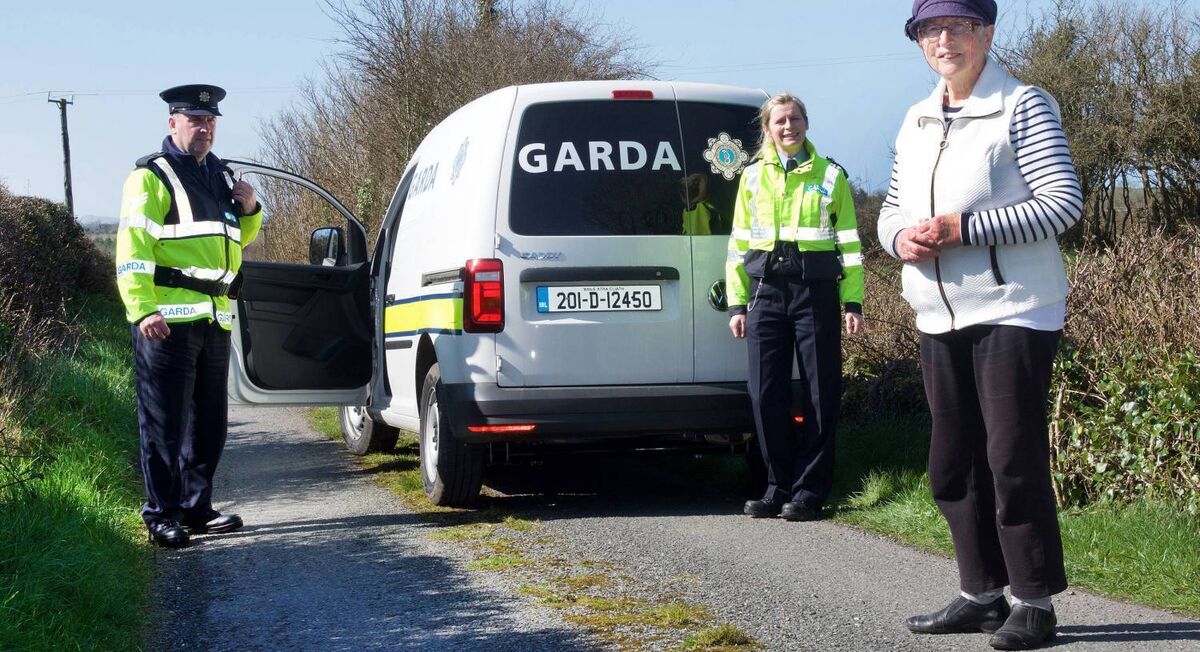
There are many other examples of the meitheal at work. Keeping your distance is the new norm and not a sign of coolness among friends, especially in rural communities.
Handshakes have been replaced with strange gestures with the elbow, hand, and leg.
The virus has also emptied churches, but is said to have boosted the numbers of people watching mass, and other religious services, on television.
People have even developed a newfound interest in gardening and the natural world.
And there are no security alerts when people walk into shops wearing a face mask or bandana over their mouth.
Coronavirus is bringing out the best in people, including farmers, many of whom work in isolation, but who are keeping in touch with each other, just as old school friends and work colleagues are reconnecting via phone and text.
Neighbours are doing errands for the elderly, while observing the health protocols. Mothers are sharing stories about keeping their children occupied while schools are closed and the children are unable to play outside and with their friends, or engage in sport, or go to dance classes or other activities.
Older children are connecting with their grandparents through the internet, a practice noted by President Michael D Higgins, who described that inter-generational solidarity as one of the greatest resources of contemporary Irish society.
The community spirit that has emerged in what will be forever known as the ‘Year of the Virus’ was also praised by Taoiseach Leo Varadkar, whose address to the nation on St Patrick’s night was globally acclaimed as a model of lucidity.
“I am confident,” he said, “that our economy will bounce back...but the damage will be significant and lasting. The bill will be enormous and it may takes years to pay it.”
Meitheal na hEireann, who have come through the Great Famine, the Year of the Big Wind, wars, revolutions, the Spanish flu, and much more, have again reported for duty.
And, when it prevails, as it will, the Taoiseach’s well-crafted words will be recalled by future generations: “….let them say of us, when things were at their worst….we were at our best.”