Knackeries say they will shut due to talks failure
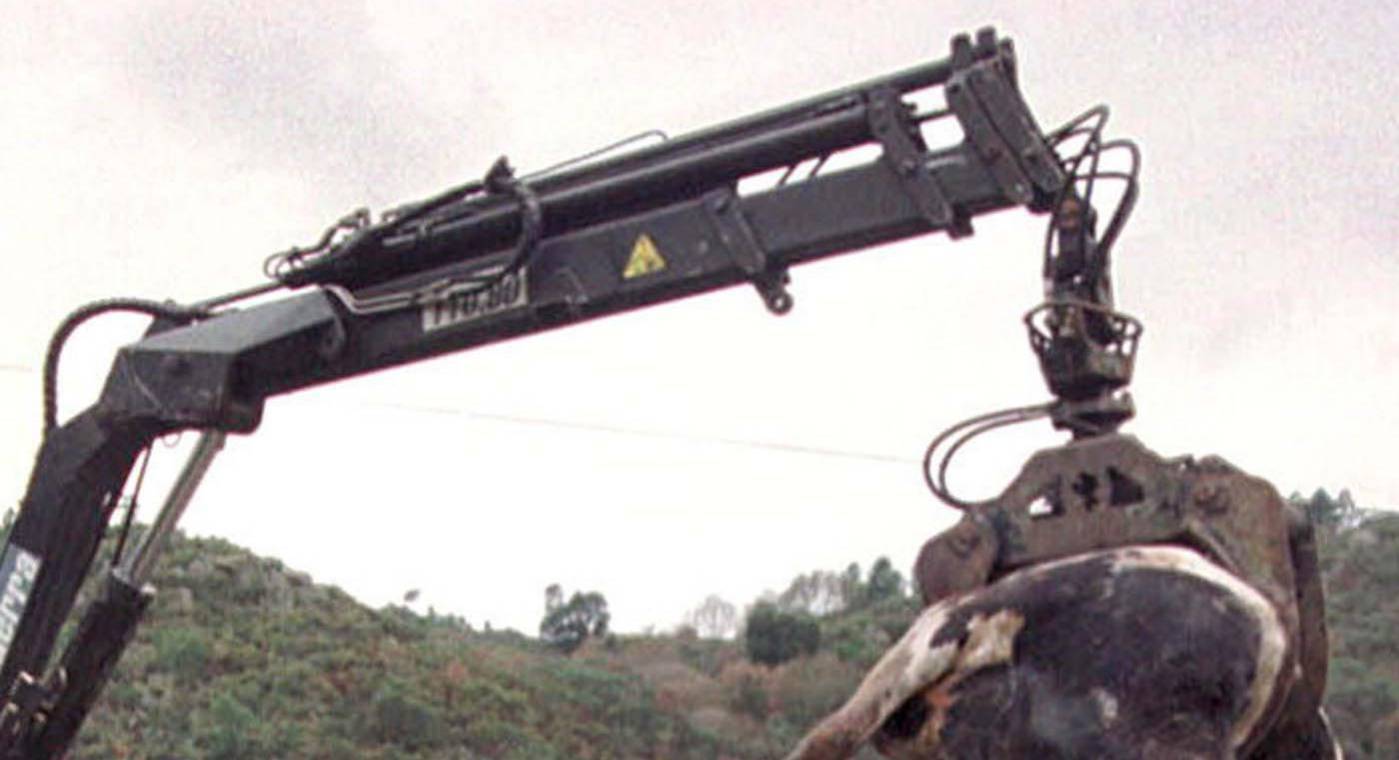
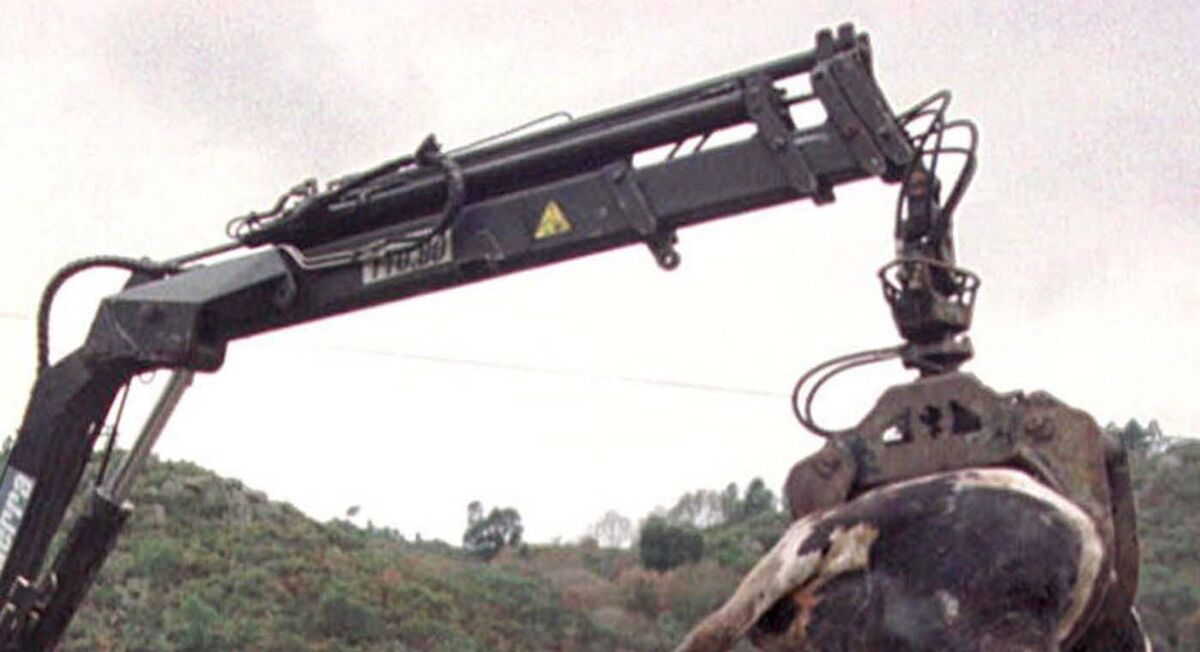
Collectors of livestock which die on farms reduced their services today, only dealing with animals delivered to their premises, and were on the verge of a complete shutdown after the breakdown of their talks with the Department of Agriculture, Food and the Marine (DAFM), in which they sought additional state support.
On Tuesday, the DAFM announced an amendment to their Fallen Animal Scheme.
But a spokesperson for the Animal Collectors Association (ACA) said there was nothing in it to help their knackery members who are no longer financially viable.
The ACA source said the only change is the DAFM setting a maximum €35 fee for calves of three to six months, compared to €30 for all calves up to six months previously.
The ACA said full closure (not even accepting delivered animal carcases) of their members’ knackeries will happen very shortly.
ACA members process almost 300,000 animals per year at their knackery yards. There are 38 approved knackeries. They get DAFM funding for about one-quarter of the animals they take in, as part of the Government scheme for collection of fallen cattle (and sheep) aged over 48 months which have to be tested for BSE, an EU requirement.
The ACA says members are no longer financially viable, due to rising costs and inadequate state support in the Fallen Animal Scheme which was introduced in 2009.
They have been seeking extra state support since last July, and reduced services temporarily last September, but resumed collection of animals from September 17 after an agreement with the DAFM. Negotiations continued, but have now broken down.
The Irish Farmers Association also reacted to the DAFM’s Fallen Animal Scheme amendment, with animal health chairman Pat Farrell saying it doesn’t address key issues for farmers. “The scheme fails to reduce the costs of disposal for farmers, and its voluntary nature doesn’t provide a guaranteed collection service for all farmers,” he said.
He said the DAFM has protected the interests of the country’s three rendering plants and of licensed knackeries at the expense of farmers, and called for collection charge reductions, and a guarantee of collection. Mr Farrell said price increases since 2013 were unacceptable, along with knackeries refusing to collect some animals.
Hugh Farrell, Irish Cattle & Sheep Farmers’ Association said: “The protection of a nationwide knackery service and for that service to be available to farmers at a reasonable price was supposed to be the primary goal of these talks. We now face a situation whereby knackeries are unhappy and have stopped collection services, and farmers face the prospect of significant increases in cost of disposal of dead animals.”
In a press statement, the DAFM acknowledged the challenges facing the animal collection service, and said it has engaged intensively with all stakeholders, including the ACA and farmer representatives. But the ACA said the DAFM need to realise it must be financially viable for all knackeries to stay in business, including those with big catchment areas which have to travel long distances to collect fallen animals.
The ACA say new Fallen Animal Scheme rules since 2013 made their job harder, including a 125km haulage limit from a knackery to a rendering plant for carcases of cattle over 48 months. A poor market for hides exacerbated their financial position. The association has also accused the DAFM of holding knackeries to ransom by withholding monies due to them for animals collected since mid-December, causing them further financial difficulties.
As well as facilitating EU-required BSE testing, ACA members help to prevent dumping or illegal burial of fallen stock, and play a role in the national animal identification and movement system.
Their reduction of services comes at a critical time; knackeries handle up to 60% of their annual intake in the spring calving season.