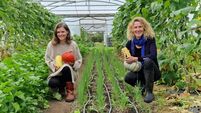
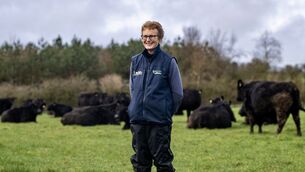
People who completed these internships have gone on to set up their own successful farms
The Organic Growers of Ireland has just launched its internship scheme.

People who completed these internships have gone on to set up their own successful farms

The Organic Growers of Ireland has just launched its internship scheme.

This very successful initiative, whereby potential organic growers gain valuable real farm experience and training in the organic horticulture sector, is open from now until the end of January.


The OGI internship is a paid position, and involves a 30-hour work placement on a well-established organic horticulture enterprise, for six months. Trainees will be employed by the individual farms directly, and will be supported by a formal training programme funded by the Department.

The training will:

  • Provide a high standard of practical skills and knowledge transfer with the aim of leading to employment in organic horticulture.
  • Develop an understanding of sustainable organic systems of farming based on biological and environmental concepts.
  • Develop an understanding of the economics of running a horticultural enterprise.
  • Set the groundwork and knowledge base for an on-going Organic Farming Internship Programme.

OGI emphasises that the training “will help bridge the gap between students who have completed horticultural courses, or have some practical work experience, and give them the confidence to start their own horticultural enterprise, or take on management of an existing horticultural enterprise”.

As well as real-life, on-farm experience, the programme offers participants six workshops presented by outside experts on core set subjects. Each workshop will be of one day’s duration. Workshops will be based on a structured syllabus, covering technical knowledge and economic management for crop production, as well as sales and marketing options and strategies.

The programme also involves six farm walks on the host farms, each focused on one crop in particular.

Finally, participants complete a 25-hour course on organic principles, standards and certification, and produce a conversion plan for an organic enterprise.

This year’s host farmers are Airfield Estate, Beechlawn Organic Farm, Cait Curran, Green Earth Organics, Joe Kelly, Lough Boora, Moyleabbey Organic Farm, Nurney Farm, and William Leonard.

See www.organicgrowersireland.ie/farm-internships or email to futuregrowers1@gmail.com for more information.

Success

Over the years, people who completed these internships went on to set up their own successful farms. Initiated 11 years ago, the internships started with just four trainees; these days, there are typically over 30.

At a recent Teagasc organic farm walk, there were a number of advice pointers on organic veg/salad growing in Ireland.

Start with a manageable area.

Secure a market, engage with potential customers.

Understand what crops are suited to your land type.

If leasing, seek commitment for at least five years.

Network with others in the industry, attend training (NOTS, organic colleges, Teagasc etc), attend walks.

Bear in mind the weather, a constant variable challenge, especially in the West of Ireland.

Teagasc also emphasised identifying what crops the market wants; starting small and growing gradually; and introducing mechanisation from four acres up. It’s about more than just growing; growers are also managers and salespeople, who need mentors, financial advice and training.

Business planning is important, income will be low for the first few years after establishment, so plan accordingly; manage cashflow for peaks and troughs; match staff skills with appropriate tasks; keep up to date with technology; maintain a good work-life balance.

There is significant potential for the organic horticulture sector to grow. Vegetables are a lead area in the organic sector, often the introduction into buying organic for consumers. There is also significant import substitution potential.

Nevertheless, CAP direct payments are not especially useful for organic horticulture, being area-based (horticulture takes up less land typically than other sectors).

Grants (40-60%) are available through TAMS.

x

More in this section

Farming

Newsletter

Stay ahead of the season. Sign up for insights, expert advice and stories shaping Irish agriculture.

Cookie Policy Privacy Policy Brand Safety FAQ Help Contact Us Terms and Conditions

© Examiner Echo Group Limited