EU’s 3mt mushroom compost challenge
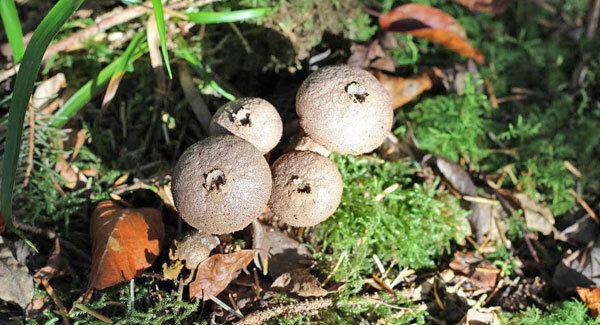
Monaghan Mushrooms is taking part in a major EU-funded project to make the industry more sustainable.
What to do with the compost is a major challenge.
European growers use over three million tonnes of mushroom compost each year.
The compost is only suitable for one to three mushroom harvests.
Disposing of it creates significant economic and logistical problems for Europe’s farmers.
Getting rid of compost can cost up to €50 per tonne, creating an estimated bill of up to €250 million per year for the EU’s mushroom industry.
The BIOrescue project set out to provide a sustainable solution, which includes transforming used compost into valuable products such as bio-pesticides, biodegradable nano-carriers for drug or fertiliser encapsulation, and horticultural fertilisers.
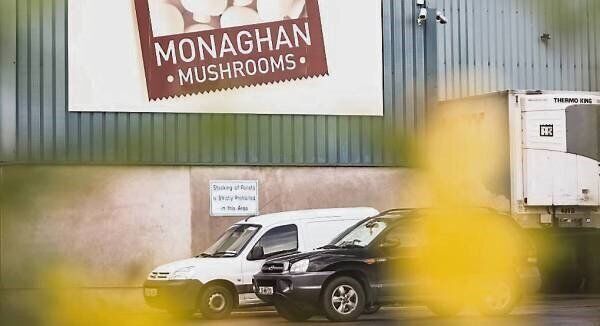
It is one of the first international collaborations by Monaghan Biosciences, the research division of Monaghan Mushrooms.
In Ireland, compost is prepared from materials such as wheat straw, poultry manure and gypsum, and covered with a layer of peat, to produce mushrooms.
As the nitrates directive restricts land-spreading of used compost more and more, and with rising landfill costs in Ireland, the BIOrescue project is interesting for Monaghan Mushrooms, which has targets such as reducing its landfill activity by 20%, and re-using peat, rather than disposal, because Ireland’s peat reserves are declining.
Monaghan Mushrooms are also involved in a separate project called Funguschain, which involves using mushrooms as a feedstock for mushroom growing.
Check out the new Super Mushrooms officially launched into @sainsburys this week – the first mushrooms on the market to be fortified with both Vitamin D and Vitamin B12. #new #healthyfood #mushrooms pic.twitter.com/lRhk67NplF
— Monaghan Mushrooms (@Mon_Mushrooms) November 15, 2018
Their main involvement in the BIOrescue project is on one of their mushroom farms in Ireland which has been retrofitted to become a sustainable and efficient biorefinery. Bioproducts from this pilot scale operation will be validated for superior properties and characteristics, compared to fossil-based products.
Also involved in the BIOrescue project is Celignis Limited (Ireland), in the Plassey Technology Park in Casteltroy, County Limerick, , which provides services such as biomass analysis.
BIOrescue is a €3.7 million partnership co-financed by the EU and the Bio-based Industries Consortium, as part of the EU’s Horizon 2020 research and innovation programme.
It is co-ordinated by CENER, Spain’s National Renewable Energy Centre, and there are other project partners in Italy, Finland, Spain, Belgium, Germany, and the UK.
Across Europe, the availability of other local underutilised feedstocks for mushroom growing, such as barley and oat straw, beet residues, apple pomace, vineyard and olive mill wastes, and citrus peels will also be assessed, as part of the BIOrescue project.