How heifers’ warts can be turned into a vaccine
As a child, I remember getting a small wart on one of the fingers of my left hand, writes
It was nothing major but it was still there as a blemish and was something that might, in time, have spread to the other fingers or even to my face.
The common treatment at the time was a remedy called Compound W.
This contained salicylic acid which literally burned off the layer of skin that it was put on.
With daily application, the wart eventually became loose and fell off.
I always remember this when clients approach me about the subject of warts, especially on heifers’ teats.
These are particularly unsightly, and become a major problem when it comes to milking such a heifer.
Some heifers have their teats covered to such an extent that it might be next to impossible to put the clusters on over them.
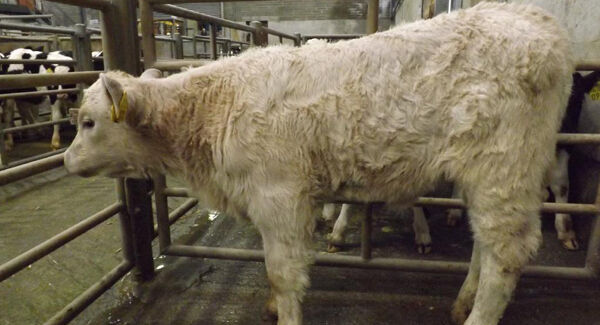
When we research warts, we find that they are caused by a virus called the bovine papillomavirus. They are commonly found on the skin of young animals.
The surface of the wart has a lot of virus particles, and when the animal rubs off a wooden post , fence or other object, it will leave some of these virus particles behind on the fence or gate for others to pick up if they too rub off this fence or gate.
The virus particles are very hardy and will withstand the elements for quite some time.
Literature tells us that they are self-limiting on the animal, but we as vets and you as farmers know they tend to last a lot longer than we would like.
As with a lot of conditions, wart infections depend on the amount of virus received by the animal, and also on the level of immunity the animal has.
Other diseases and mineral deficiencies can cause immunosuppression, and this will have a big bearing on the amount of warts appearing in a herd.
As I go around the countryside, I have come across lots of different remedies, most of which have been handed down from one generation to the next as the “only” way to cure these wretched warts. Some people use waste oil on heifers’ teats, and I suppose this is as much a way of stopping the air getting at the wart to stop it growing, as anything else. Others use caustic agents like sodium hypochlorite, and these burn off the susceptible warty layers.
I have seen success on some farms using this, but on other farms, it is useless.
In my early days as a veterinary surgeon, we used to use a product with an antimony salt in it as an injection.
Again, this had limited success, and is now no longer available in Ireland.
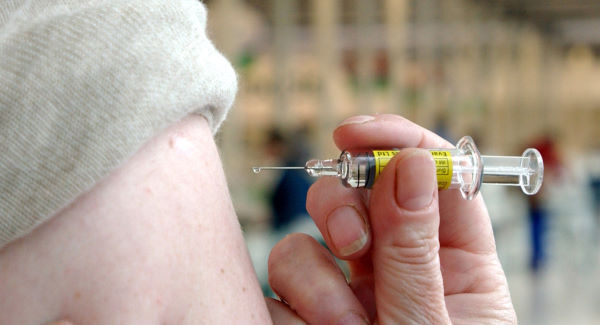
Wart vaccines are usually made up through your veterinary surgeon. Warts need to be harvested from animals on your own farm that already have the warts. The amount of wart needed depends entirely on the amount of vaccine that you need to have made up.
Sometimes you hear these vaccines are ineffective, but I think this stems from not enough treatment being given, and for too short a period.
This virus is a stubborn old bugger, and will need a treatment programme of three to six months before you might see the effects of it, and needs to be kept going for 12 months after the disappearance of the last warts to have any chance of success.
A chat with your vet may prove to be invaluable, if you have a problem with warts.