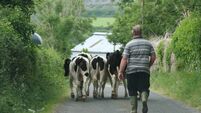
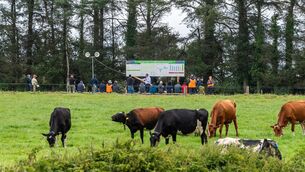
Boiling hot cows need to be cooled down very fast
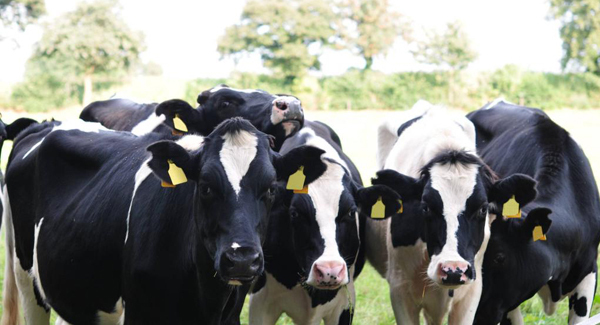
I was watching one of the World Cup games on Sunday evening, when I was struck by the performance of the Danish full back, Jonas Knudsen.
Every time there was a throw in near the opponent’s box, he came up to take it, as he had the ability to throw the ball deep into the box. It was an amazing feat, but what struck me about him was the amount of sweat rolling down his brow and face as the camera zoomed in.
It put me thinking about the poor animals that we send out every day to pasture in the heat and humidity.
I remembered, from times past, going out to treat cows suffering from heat stroke or heat exhaustion. It was quite some time ago, but things like that stick in your mind.
Heat stroke or exhaustion is brought on when the body’s heat regulating mechanism is disturbed. This happens when the animal is exposed to high environmental temperatures, high humidity, inadequate ventilation, direct exposure to the rays of the sun, or any combination of the above.
Prolonged exposure to the sun causes the smaller peripheral blood vessels to fill up, and if there is not enough drinking water available to compensate for this, the main circulation system will not have enough blood, and the animal may collapse. Cows and horses can be seen blowing, maybe with staring eyes and drooling saliva, before weakness, muscle tremors and collapse follow.
Studies have shown that as the temperature rises into the 30s, which some places experienced lately, and humidity remains above 50%, milk production will fall more than 25%. This is because, as body temperature rises, the cow eats less, and consequently produces less.
You will find higher producing cows more affected by heat stress than lower producing cows, because they eat more than the lower producer, resulting in more heat generated by the rumen, which they are unable to get rid of. Sometimes the temperature of the animal can rise to 106 degrees Celsius or higher. These animals need to be cooled down very fast.
Other studies showed fertility figures in heat-stressed cows can be as low as 10%. It will be interesting to see how overall fertility figures for this year are affected by this summer weather.
It has been shown that cows can drink up to 50% more water in periods of high temperature and high humidity. This is their main way to combat the problems of heat and humidity.
This water should be cool, and provided in the shade rather than out in the open. When temperatures soar, cows will not travel more than 50 yards to drink. It is recommended that for every 15 cows, there should be at least two feet of drinking space (13 feet of water trough per 100 cows) and that the water refill rate should be up to five gallons per minute.
Things like this are quickly forgotten when herds expand.
I recall a visit to Australia with temperatures in the low 20s, seeing all the animals lying under the shade of native trees as we drove along, to get away from the direct sunlight.
Grazing could be done after sundown.
If you feel you have issues regarding the above then contact your own vet.