Way too soon for warnings of another fodder crisis
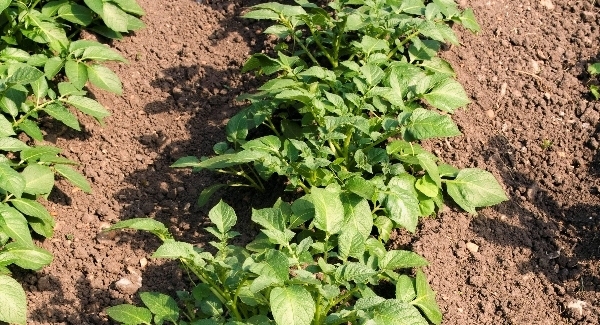
Met Eireann said early this week grass growth was practical non-existent, and the potato crop could only survive with the intervention of artificial watering.

Way too soon for warnings of another fodder crisis

Stephen Cadogan

Met Eireann said early this week grass growth was practical non-existent, and the potato crop could only survive with the intervention of artificial watering.

Soil moisture deficits were over 60 mm across the east, south and a good deal of the midlands; but only 30mm or so in the north and northwest.

However, the farmer organisations were wisely not yet agreeing “officially” with headlines earlier this week about the heat wave threatening another fodder shortage.

They know what the likely reaction from some quarters might be.

If a heat wave in June (rare enough though it is in Ireland) is enough to put the sector in danger, it must be because of overstocking, and the recommended answer from the Government might well be to tell farmers to reduce the national dairy and beef herds, and to ask the agri-food industry to scale back the Food Wise 2025 strategic plan to increase the value of exports to €19 billion by 2025.

There are many who would welcome and call for such a response, with An Taisce, for example, calling this week for a milk production cap so that dairy emissions are reduced to meet climate targets.

They would correctly point out that our cattle herd contributes one third of Ireland’s greenhouse gas emissions, and agriculture accounts for 99% of the ammonia emissions which Ireland has to reduce, as a party to the Convention on Long-Range Transboundary Air Pollution’s Gothenburg Protocol.

So farmers may be wise not to protest too much about the weather (and not just because they will annoy everyone else who is enjoying the heat wave).

ICMSA’s Farm & Rural Affairs Chairman, Denis Drennan, said there was no need yet for alarm bells at national level, but called on Irish Water to communicate early and frequently, in the event of there being water shortages or any limitation of supplies.

IFA warned of the danger of forest fires, but restricted their fodder shortage announcements to calling for an exemption from a July 1 deadline, to allow GLAS farmers cut traditional hay meadows early.

At Tuesday’s Teagasc Beef2018 Open Day, Joe Patton, Dairy Specialist at Teagasc, said first cut silages yielded relatively well, but emerging drought conditions may result in lower than expected second cut yields.

In fodder deficit circumstances, options such as selling low performance stock, contract feeding of young stock, and sourcing alternative winter feeds including forward purchasing of straights (soya hulls, beet pulp, or palm kernal meal) should be explored in detail.

Moderate changes to stock numbers can have a marked effect on reducing winter feed demand

Clearly, it is way too early for panic about next winter’s fodder.

That would only materialise if the heat wave continues for many weeks. In that eventuality, the first thing to worry about would be a crisis of finding enough water for the country’s 6,673,600 cattle counted in the Central Statistics Office’s December 2017 survey (having increased about 60,000 in 12 months).

If the June survey results show a significant further rise in cattle numbers, and farmers still have fodder (or water) difficulties, more pressure might come on for destocking, which is anyway how farmers in dry parts of the world cope with their real droughts.

In Ireland, Met Éireann defines drought as 15 or more consecutive days where less than 0.2 millimetres of rain fell.

Met Éireann figures for June up to this week indicated only their weather stations in Dublin city and Carlow had very low rainfall.

After the ordeals of fodder shortage many farmers went through all winter, and well into the spring, they can be forgiven for getting very nervous now, with a heatwave threatening fodder provision.

But they also have some better news, with the Department of Agriculture’s Animal Identification and Movement bovine statistics indicating that cattle losses for the first three months of 2018 were only 2.5% ahead of the previous year’s figures, in the toughest ever winter and spring most farmers recall.

More in this section

Farming

Newsletter

Stay ahead of the season. Sign up for insights, expert advice and stories shaping Irish agriculture.

Cookie Policy Privacy Policy Brand Safety FAQ Help Contact Us Terms and Conditions

© Examiner Echo Group Limited