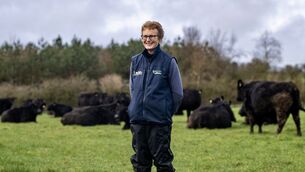
Many have surplus grass and need to start baling it
Finally, summer might just have arrived. It seems that 2018 decided to skip spring!
It’s amazing how quickly grass growth takes off when air and soil temperatures rise. Most farmers had plenty of nitrogen out, if they could travel ground, trying to boost growth in the bad weather. Much of it was just sitting there ready for take-off once conditions improved.
Many have reported growth rates of 80kg of DM/ha or more over the last week.
Growth is excellent, and due to the late turnout on most beef farms, many are in a grass surplus situation.
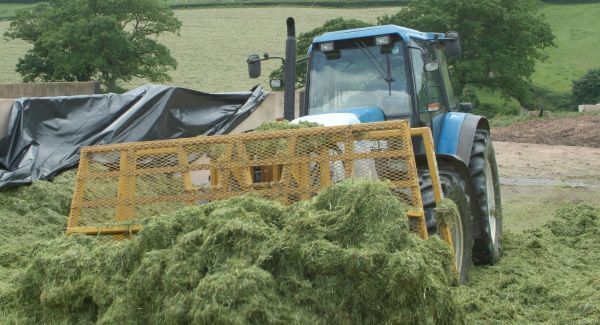
As a very basic rule of thumb, you need 10 days of grass ahead at this time of year. If you have well in excess of 10 days grass ahead, you must consider baling surpluses when weather allows.
The major issue for most is that in the bad weather, growth was very poor and a lot of paddocks had very similar covers when growth improved. As a result of the late turnout, the first round has not been completed yet.
This has resulted in a large number of paddocks having the same or very similar heavy cover. But you can’t graze them all on the one day, so surpluses must be taken out to maintain/improve grass quality and boost future growth.
It is important to try to graze appropriate covers in order to maintain quality and optimise animal performance.
Grazing excessively strong swards will delay recovery and supply lower energy feed to stock.
Ideal grazing covers
Many factors need to be taken into consideration when identifying the ideal cover for your farm. Every farm is slightly different for Stocking Rate, Paddock Size, Land Conditions, Soil Fertility, Fertiliser applied, Weather, Growth Rates achieved, the Time of year, and type of stock being grazed (because younger animals get best value from lower covers, whereas dry cows can be fed on much higher covers to reduce total energy intake.
Typically, however, covers between 1200kg and 1600kg of DM/ha would be an acceptable range for productive beef animals such as finishers or cows rearing calves and those being bred.
Damaged/poached grass
For most farmers, ground conditions are now close to perfect, while some still report slow recovery.
Any necessary sward repair should be done while soil conditions are good.
Many are stitching in grass seed where poaching has occurred. Many are putting off reseeding due to economic reasons, but it always pays for itself so make it a priority, if you are dealing with underperforming swards.
There has been plenty of chat recently about rolling silage ground. It is the best way to prevent stones and clay from ending up in your silage, causing moulds and toxins which can be detrimental to animal performance and health.
Rolling should only be done however when ground has dried out fairly well, and should be avoided if the tractor is making tracks in the field ahead of the roller.
Rolling too soon will only create a pan in the soil, and cause more compaction, reducing overall sward performance and growth, reducing silage yields significantly.
Breeding season
The breeding season is now well under way in most spring suckler herds. Make sure that you have good records for heat detection, in order to identify non-cycling cows as early as possible. Many suckler herdowners are scanning their cows pre-breeding, or at least in the fourth week of the breeding season.
Scanning cows at this stage helps to tighten up the calving pattern and identify cows needing intervention.
Keep a close eye on bulls running with cows or heifers. Watch for injuries in particular which can prevent them from doing their job properly.