PPI rise boosts milk price prospects

Co-ops and dairy farmers have welcomed the rise in the Ornua PPI Index to 116.4, its highest level since mid-2014, which indicates a steady milk price for the next few months.
PPI rise boosts milk price prospects

Stephen Cadogan

Co-ops and dairy farmers have welcomed the rise in the Ornua PPI Index to 116.4, its highest level since mid-2014, which indicates a steady milk price for the next few months.

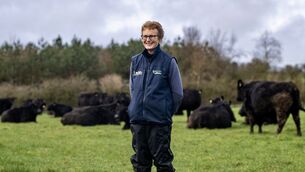
The rising PPI indicator of market returns on dairy products purchased by Ornua shows that Irish co-ops are still benefiting from long-term contract prices, even while international dairy prices are easing, said IFA National Dairy chairman Sean O’Leary.

He urged co-ops to commit to holding milk prices for the relatively low winter milk volumes, at least until next spring, to help farmers plan for the New Year.

“I would also urge co-op boards to examine the co-op’s financial situation in detail, and seriously consider the option of end of year bonuses for their fellow-suppliers,” he said.

Already, leading co-ops in Ireland and elsewhere in the EU have announced unchanged milk prices for October supplies.

However, with skim milk powder markets falling to new lows, while a huge EU intervention store undermines the market, and intervention for the commodity is closed until next March, lower dairy prices are expected to kick in early in 2018, unless suppliers sign up for fixed milk price schemes.

International dairy prices have already been under downward pressure in recent months, and the latest negative factor in the market is the surprise jump in milk production in New Zealand, the world’s top dairy exporter.

Fonterra, which processes the vast majority of New Zealand’s milk, says improved weather has returned its milk collections to year-on-year growth in October, their peak supply month. The 2.3% year-on-year October rise in milk solids brings 2017-18 deliveries since June to 0.3% above year earlier levels.

The EU is also reporting rising milk collections, 3.7% up year-on-year for September.

Germany, France and Ireland together accounted for 209,000 tonnes of the 439,000t increase in September, which leaves EU milk output so far in 2017 0.4% ahead of earlier levels.

The increasing New Zealand milk supply was probably the main factor knocking 3.4% off the GDT price index in last Tuesday’s auction, the fourth index fall in a row, in sharp contrast to recent more encouraging signs in global dairy futures markets.

A 6.5% fall in the skim milk powder price index on Tuesday, to its lowest level in 18 months, deepened global market worries over this commodity, ahead of the European Commission’s plan to release up to 150,000 tonnes of intervention stocks onto the market in 2018.

Since November 2016, only 180 tonnes had been released.

Meanwhile, the US Department of Agriculture’s Beijing bureau has added to dairy industry worries by predicting “constrained imports” of skim milk and whole milk powders by China in 2018, due to a rebound in China’s own dairy production.

There is no sign of that happening yet, with Fonterra revealing that its shipments to China were up 34% in September, compared to the same month last year.

More in this section

Farming

Newsletter

Keep up-to-date with all the latest developments in Farming with our weekly newsletter.

Cookie Policy Privacy Policy Brand Safety FAQ Help Contact Us Terms and Conditions

© Examiner Echo Group Limited