Jury still out as EU avoids controversial vote on weedkiller licence
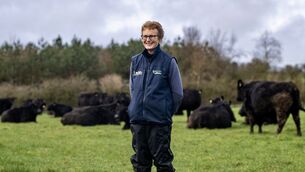
European farmer groups Copa and Cogeca want EU decision makers to approve a 15-year glyphosate licence to allow farmers build the herbicide into their plans.
Jury still out as EU avoids controversial vote on weedkiller licence

Yesterday, the EU standing committee avoided taking a highly charged vote on the renewal of the licence for farmers to use glyphosate to control weeds on their farms. Farmers and environmental lobbyists have criticised the non-vote.

Prior to the non-vote, a lobby group of anti-glyphosate activists handed the EU a petition signed by 1.3m people urging MEPs not to renew the licence due to their fears that herbicide usage in agriculture may cause cancer in humans. The environmental group Greenpeace is among the main critics of glyphosate.


However, scientific studies conducted by two EU agencies — the European Food Safety Authority and the European Chemicals Agency — have stated glyphosate is not a carcinogen.

The EU has been urged by farmer groups, including Irish farmer groups, and by European Parliament vice-president Mairead McGuinness and other MEPs, to take on board these EU-funded studies and renew the licence for the weedkiller.

Copa and Cogeca, a joint umbrella group for Europe’s larger national farmer groups, including the IFA, said they are disappointed at the EU’s failure to vote on the herbicide licence. They say that glyphosate is the most commonly used herbicide active substance in the world and it has been declared safe by EU scientists. The most commonly used product containing glyphosate is Roundup, which is manufactured by Monsanto.

“Its use is vital to secure our food supplies; it should not become the victim of political decisions between member states,” said Copa and Cogeca secretary-general Pekka Pesonen.

“This widely used product is not only vital to feed a growing population. It is also important for our rural areas, agriculture conservation and fertile soils.

“Glyphosate substantially reduces the need for tillage which reduces soil erosion and keeps soil fertility and soil organic matters up. Other benefits of no-till and minimum tillage include lower fuel consumption in comparison with conventional ploughing techniques and lower release of carbon dioxide from the soil into the atmosphere.

“It has been given a positive assessment by the European Food Safety Authority and the European Chemicals Agency. Without renewal, our affordable food supplies and agricultural conservation will be thrown into jeopardy. We urge EU decision makers and member states to approve it for 15 years. It shouldn’t become the victim of politics or used as a bargaining tools by member states.”

Mr Pesonen said there is no reason to delay reauthorisation of the glyphosate licence for the full term. Failing to renew it would break consumer trust in the EU’s institutions and decision-makers and allow minority views to take the stage, he said.

Controversy has dogged glyphosate since a 2015 study by the World Health Organisation concluded that the herbicide “probably” caused cancer. That classification has led to mass litigation in the US.

In June 2016, the EU passed an 18-month licence extension pending scientific studies. The subsequent European Food Safety Authority and European Chemicals Agency studies calmed some EU nerves over herbicide use, but failed to win over all critics.

Among critics of glyphosate, France took the lead in 2014 by signing a law, effective from January 2017, which banned its use by local authorities and public bodies for the maintenance of public spaces, forests and roadsides. Derogations exist for French cemeteries and sports grounds.

In September, France said it would phase out glyphosate completely by 2022. However, this week it says it is would accept a four-year licence extension for the weedkiller to reach an EU-wide consensus.

France’s biggest farming union, the FNSEA, said on Monday that it was “out of the question” for the country to go it alone, worrying that a French ban could put French farmers and agri-food companies at a disadvantage against European competitors.

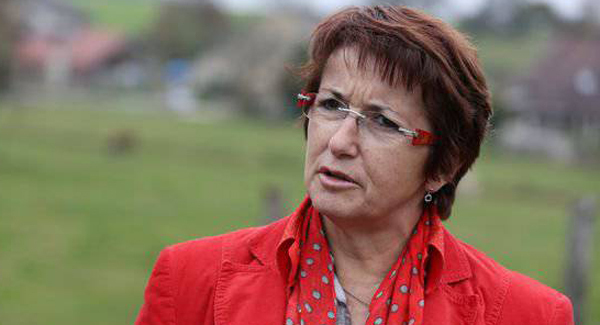
“A sudden ban — no! A path for reducing it and finding solutions, if the solutions are good economically and technically, we can see it happening,” said Christiane Lambert, FNSEA president.

Last week, hundreds of French farmers blocked the Champs-Elysées avenue to protest against their government’s threatened ban on glyphosate. Both sides say they will watch closely to see when the EU again tables a vote to decide whether or not to renew the glyphosate licence.

x

More in this section

Farming

Newsletter

Keep up-to-date with all the latest developments in Farming with our weekly newsletter.

Cookie Policy Privacy Policy Brand Safety FAQ Help Contact Us Terms and Conditions

© Examiner Echo Group Limited