Retailers say UK could face 22% tariff on EU food imports without Brexit deal
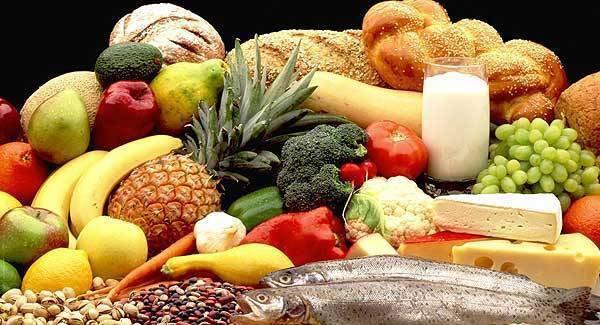
British shoppers could face an average tariff of 22% on food from the European Union if prime minister Theresa May fails to reach a trade deal with Brussels before the UK leaves in two years time, UK retailers have claimed.
Retailers say UK could face 22% tariff on EU food imports without Brexit deal

Nearly 80% of British food imports come from EU member states and if no trade agreement is struck the UK and the EU would have to treat each other as World Trade Organisation members.

“Such a scenario would put upward pressure on consumer food prices,” said the British Retail Consortium, which represents big supermarkets and other stores.


Food prices are already rising at their fastest rate in about three years, as sterling’s fall since last June’s Brexit vote pushes up import costs. Weaker consumer demand in the face of higher inflation is the major reason why most economists are expecting the UK’s economy to slow this year.

As a member of the European Union, the UK is paying no tariffs on the £20bn (€24bn) a year of food it imports from elsewhere in the bloc, but after it leaves the default option would be to levy standard tariffs set by the World Trade Organisation.

These tariffs rise up to 46% for Italian mozzarella cheese, and around 40% for supermarket staples such as Irish beef and cheddar cheese. Dutch tomatoes would face a 21% levy — though Britons could turn to drink instead, and pay just 4% extra for French wine.

Given the balance of food imports, the British Retail Consortium estimates that the average increase on tariffs would be 22%.

May has said she aims to reach a comprehensive free- trade deal with the EU over the next two years — and called a snap election last Tuesday, which she said would strengthen her negotiating mandate. However, she has not ruled out quitting without a deal if the EU fails to offer the UK good terms.

A new Reuters poll of economists pointed to a roughly one-in-three chance that the UK will default to WTO rules. Comprehensive trade deals typically take many years to negotiate, and a transitional deal — which would largely preserve the UK’s access to EU markets, and leave it subject to many of the EU’s rules — was the fall-back option recommended by the British Retail Consortium.

Brexit supporters argue the UK will be able to get a better deal by striking trade agreements with countries like the US and China, with which the EU has struggled to reach an agreement.

Others have said the UK should unilaterally scrap all import tariffs. However, the consortium said the UK should prioritise retaining EU ties, and follow that by renegotiating existing EU trade deals with developing countries such as India.

“Only then should the government look to realise the opportunities presented by new trading relationships with the rest of the world,” BRC chief executive Helen Dickinson said.

  • Reuters
x

More in this section

Farming

Newsletter

Keep up-to-date with all the latest developments in Farming with our weekly newsletter.

Cookie Policy Privacy Policy Brand Safety FAQ Help Contact Us Terms and Conditions

© Examiner Echo Group Limited