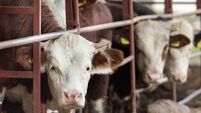
Plan realistically for improvements in your dairy farming business
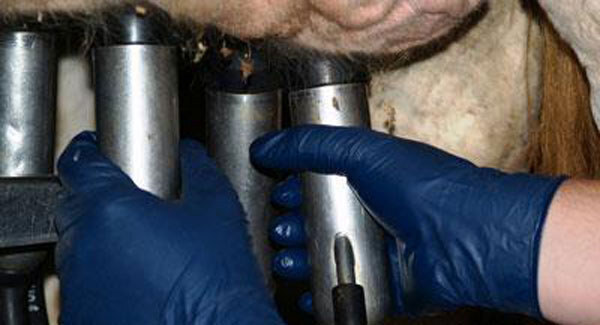
Look back and looking forward, and examine farm records, to assess physical and financial performances over the past few years.
It may not be such a pleasant task looking back at 2016, but it has to be done.
Of course, it is also a time for making New Year’s resolutions, and plans for the future.
With dramatic changes in the horizon, it is more important than ever to do so.
The longer term prospects for dairying are reasonably good, so be prepared for the good times.
On the downside, the biggest challenge to milk prices is low grain prices, and unfortunately the short term prospect for grain prices is poor, and there is a direct relationship between grain and milk prices on the world market.
To assess physical and financial performances, and plan for the future, farmers need good records, and good information and guidance for the likely road map for dairying in the years ahead.
In the context of dairying, the Dairy Profit Monitor is the ideal tool for examinign your performance and comparing it with targets.
Unfortunately, only about 5% of dairy farmers use the Dairy Profit Monitor, and only a minority have reasonable management accounts and records.
Every successful business requires good planning and good records. Farming plans used to be kept in the head rather than on paper.
However, this is changing rapidly, and most successful farmers now have good plans — on paper.
- Make an estimate of your household financial requirements going forward, and compare them with your potential earnings. Talk to your adviser and bank, and make sure not to over-borrow.
- Yields per cow on most farms are at least 20% below the optimum that can be achieved with good grassland management, and with moderate concentrate feeding. Why keep 100 cows to do the work of 80?
- Plan realistically for improvements in your farming. Remember that the top one third of dairy farmers consistently make about twice the profit per litre of milk of the lower one third. The main reasons for this gap are grassland/herd management, and disease status — and in some cases, soil type.
- Write down your long and short term goals, and plans for achieving them. Most dairy farmers will plan for producing more high quality heifers, and increasing milk production. But if finances don’t allow, it may be better to sell some animals, and get better yields from the remainder.
- If things go wrong, remain realistically optimistic and seek out opportunities.
- Use the Teagasc Profit Monitor and other computer programmes to assess your farming performance and to examine future options.
- Employ help in busy periods, so you have sufficient time managing rather than physical working.
- Improve your management skills, including financial management, by further education, and taking an active part in discussion groups.
- Adopt best practices such as breeding to top AI bulls, milk recording etc. Breed as many cows as possible to high-EBI bulls with good indices for fertility and solids.
- Discuss a herd health programme with your vet, aim to have a clean, healthy herd.
- Plan to improve milk protein by at least 0.1%, with better grass management.
- Keep good records and use them properly.
- Reseed or improve damaged, under-producing pastures. Bring soil fertility up to standard, to get the best response from fertiliser.