Oliver Moore: Many obstacles to lamb profitability
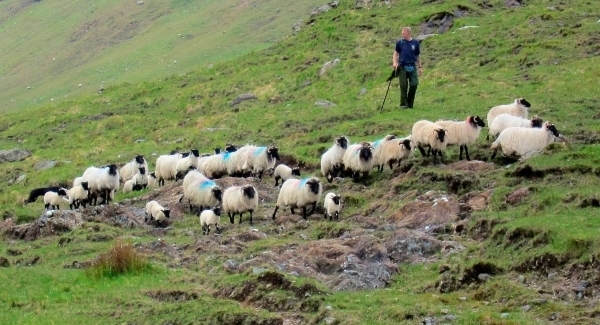
In the past two weeks, I have explored the poor financial returns from organic lamb, notably lamb from upland areas (except Wicklow) and western counties, writes Oliver Moore.
Oliver Moore: Many obstacles to lamb profitability

There are several factors that result in just three of every 10 organic lambs generating an organic price premium. Along with obvious issues of weight, consistency of supply and factors already outlined, other issues that have emerged.

In export terms the exceptionally high standard required for organic babyfood is at present prohibitive to Irish organic lamb producers. What this means is that while there is a baseline certified organic standard, European babyfood companies operate to a higher standard.


Babyfood — for a variety of reasons — has always led the organic market as a proportion of sales when compared to conventional. As long ago as 1996 the majority of babyfood sold in Germany was organic. However, mere organic isn’t enough for these companies now: These days, certified organic babyfood companies demand stricter residue levels than even certified organic has.

So while many organic producers can meet this standard, not all can and this prevents large contracts from being signed by many suppliers.

Another issue which emerged — again related to the papacy of organic lamb processors — was distance.

The Bord Bia survey on organic lamb found that producers in the east and mid of the country performed better, price wise, than those in the rest of the country.

Specifically Wexford, Kilkenny, Laois, Wicklow, Dublin, and Meath performed best in country, while only Carlow of the eastern counties performed as badly as the western seaboard from Limerick to Donegal.

While there were also pockets of reasonable performance, there is a clear east west divide on price premium. Irish Country Meats (ICM) is the only major processor dealing with organic lamb at scale — which shows a severe lack of competition in the sector.

ICM processes organic lamb in the South-East of the country. So while, as James Smyth of ICM says: “we pay a 15% premium over conventional for in-spec lamb” the lamb has to make its way down to the South-East.

He adds: “Once you put any animals onto a truck there is a cost. But in terms of transport, we source all around Ireland, agencies can do it, and good logistics can help. It costs €1.75 to €2 per animal to get to Wexford.”

Others have disputed this low cost, with Smyth himself referencing a farmer claiming he had transport costs of €5 per lamb— a claim Smyth disagrees with.

As a Roscommon-based organic sheep farmer told this column: “If you can get €4.75 from Athleague but €5.20 to go to the South-East for organic prices you go local. And who decides on the base price plus 15% for organic? No farmer gets the base price if he’s at least Bord Bia Quality Assured. All organic lamb should get the quality assured price plus 15%.”

One anomaly which could be sorted with coordination is re-starting organic lamb processing in ICM’s Navan facility. With Westmeath, Roscommon and other BMW counties having a great many organic lamb producers, this option could help increase the percentage of organic lamb processed as organic.

“We are in a position to slaughter in Navan,” James Smyth says. “We haven’t done so in a while but we can. We did in the past and we’ve been re-audited in March of this year and we’re fit for this purpose. So the intention is, once we have markets and extra product, we will slaughter through Navan for organic.”

To conclude, the following could help organic lamb sell at a genuine organic price premium:

  • Reaching an ‘organic plus’ standard for more discerning markets
  • Quality assured price plus 15%
  • Geographically spread processing options
  • More companies processing

A marketing campaign that emphasises organic lamb’s seasonality as a positive.

More in this section

Farming

Newsletter

Keep up-to-date with all the latest developments in Farming with our weekly newsletter.

Cookie Policy Privacy Policy Brand Safety FAQ Help Contact Us Terms and Conditions

© Examiner Echo Group Limited