Finishing cattle feeding guide
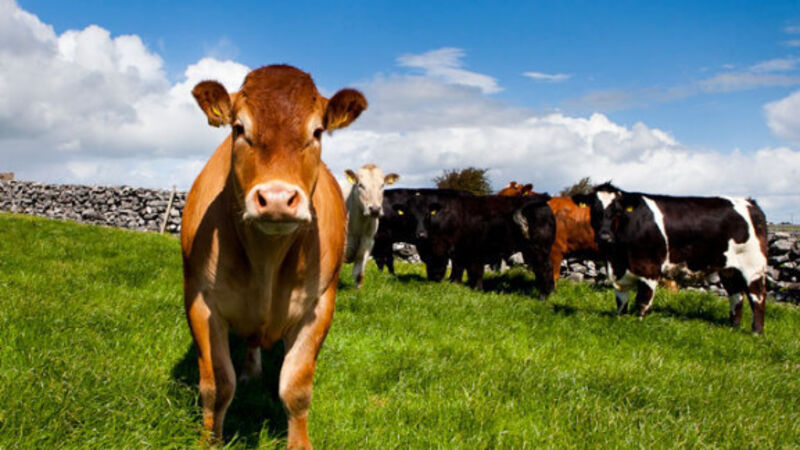
The reason for these issue is hardly ever because the grain is not rolled; it is more likely to be because the diet is not balanced correctly. Another reason for this is that all animals cannot eat at the one time if meal is being put on top of silage. In TMR (total mixed ration) diets if the mix is very dry individual animals will attempt to sort out the meal from the forages.
This will lead to animals having variable dung consistency when it is assumed that they are on the same diet. Some cattle will have runnier dungs than others- these are usually the ones eating too much concentrates and less forage. Cattle with firmer dungs are mostly the ones forced to eat a much higher proportion of forage.
Take the variability out of feeding your stock — provide access to feed for all animals when concentrates are fed on top of silage, while in a TMR it moisten the mix to prevent sorting. Water, liquid feeds and molasses are being used to sort this problem on many farms. Many silages, particularly second cuts are very dry this year and cattle on many farms are finding it easy to sort out TMRs as a result.
Many still associate loose dungs with feeding too much protein. This is seldom the case and in actual fact some are under feeding protein even to finishers. This is very likely to be the case if maize silage, whole crop and/or beet are included in the diet.