Timely operation can salvage spastic paresis calf
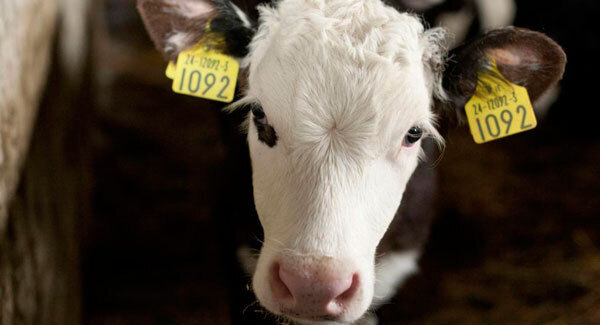
Is he just lame, or is it more?
Timely operation can salvage spastic paresis calf

About once or twice a year, we come across a condition in young animals called “spastic paresis”.

Only sometimes is this condition brought to our attention as a call out, but often we are going to see it as an add-on, or more likely pick it up ourselves, when doing a herd test.

It is a condition seen in calves from two to nine months, and mostly in Friesians, although it is seen in other breeds, and is common throughout the world.

There is no discrimination between the sexes, as both male and female animals are likely to get it.

It can affect both hind limbs.

Clients will notice the calf is initially not putting full weight on one of its back legs, and think that it is lame.

The calf is still not lame enough to call the vet, and some form of treatment may be carried out by the farmer.

Following on this, the calf may be seen to hold its leg back behind it, and off the ground.

It may look as if it is trying to shake something off its hoof.

As the condition progresses, the muscles of the leg above the hock seem very tense, and the calf has difficulty walking.

It barely touches the ground with the toes of the affected leg, and often seems to hop along on the other hind leg.

More and more weight is taken by the front legs, which have to be planted further back in the stance, to cope.

There are a number of other conditions affecting the hind quarter that we must differentiate this condition from.

These conditions include infections of the stifle and hock joints, fractures in the hock, and joint ill.

That is the job of the vet.

The affected leg can be moved freely and without pain, but always goes back to the straightened position, once released.

As you would expect, the affected leg loses a lot of weight.

Since this is a hereditary condition, you should not breed from these animals, but try to salvage them for the factory.

If the animal is detected at an early stage, we can carry out an operation on the affected leg, and salvage this quarter to the extent that it will put on weight.

The younger the calf is when this operation is done, the better the chance of this animal making full factory weight.

So the onus is on you, the farmer, to bring this to your vet’s attention as early as possible.

Back in time, the operation favoured was to cut the tendon at the hock, as it was believed that the muscle above the hock was pulling the hock too straight.

After years of doing this operation, with limited success, the surgeons of the day changed their preference to the operation that we carry out today.

This operation can be carried out under epidural or general anaesthesia.

Personally, I prefer a combination of both.

When we open into the leg, we dissect down to find a particular nerve that is stimulating the muscles above the hock.

When we are sure that we have identified the correct nerve, we cut a section out of this nerve, so that the cut ends cannot re-join.

Recovery from the operation should be relatively normal, with the calf able to walk more normally once it regains consciousness.

The success of this, as I have said already, depends on how early we get to the calf.

If a lot of wasting has taken place, then it will take some time before the muscles will regain their strength and agility. So it is up to you to call us and lastly, do not breed from these animals.

Paul Redmond, MVB, MRCVS, Cert DHH, Duntahane Veterinary Clinic, Fermoy, member practice of Prime Health Vets.    

More in this section

Farming

Newsletter

Keep up-to-date with all the latest developments in Farming with our weekly newsletter.

Cookie Policy Privacy Policy Brand Safety FAQ Help Contact Us Terms and Conditions

© Examiner Echo Group Limited