Stephen Cadogan: How much is a farmer or a farm worker worth?
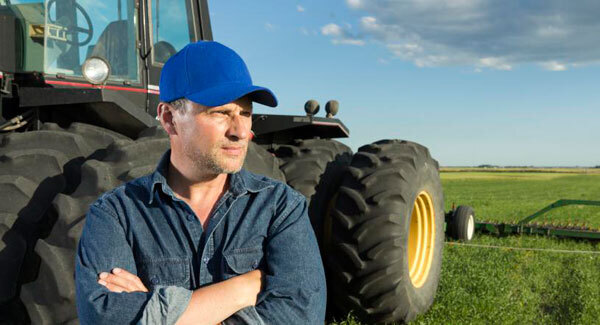
Availability of suitable labour is a big issue, especially on dairy farms.
In the Irish grass-based milk production system, the majority of cows calve during an eight-week period.
This can create a huge demand for labour resources.
Farmers have even considered once daily milking for a couple of weeks in the calving season, or even throughout the lactation, to minimise labour demands, even though it reduces milk production.
Unfortunately, what is good news for the economy in general can be bad news for the farmer looking for help.
The Celtic Tiger experience forced farm labour agencies to advertise in New Zealand for workers for Irish farms, due to easy availability of better jobs in the boom times here.
Things may be turning towards that direction again, with continuing expansion in the manufacturing, services and construction sectors.
Employment grew by 2.9% over the year to mid-2016, equivalent to an increase of over 56,000 jobs. As a result, there are now over 2m people in employment for the first time since early 2009.
The unemployment rate fell to 8.3% in August, down from a peak of over 15% in early 2012. It’s great news, with many part-time farmers benefiting from better opportunities.
However, it shuffles farming further back in the list of desirable jobs, due to its disadvantages such as isolation, and its status as the most hazardous occupation in Ireland, consistently reporting the highest number of fatalities in comparison to other sectors over the last number of years.
In recent years. 19 people, on average, have been killed each year in farm related workplace incidents, with 194 farming fatalities in the last decade (2006–2015).
There have been 14 deaths to date in 2016.
Farmers are eight times more likely, than those in the general working population, to die in a workplace accident.
The dangers of farming are not just an Irish phenomenon.
Farming accidents have claimed the lives of nearly 50 people in Northern Ireland since 2011.
As the availability of jobs increases, farmers are in no position at the moment to pay high wages to pull in workers.
Dairy farmers are hopefully emerging from their worst trading period for decades, and are mostly under severe cash flow pressure.
And beef farming, carried out on about 100,000 farms, has nosedived in profitability.
Farmers selling Friesian cattle into the factories are lucky to get €3.30 per kg, nowhere near break-even, and the price of Friesian stores has dropped €200-€250 per head in a month or six weeks, leading to loss of confidence among beef farmers.
A number of factors may be pointing to increasing labour difficulties in farming.
Against this background, it remains to be seen what the effect will be of public service industrial actions, and the Labour Court recommendation which proposed pay increases worth more than €40 million for gardaí.
Can farming continue with an average income under €25,000, while average public sector and industrial wage earnings continue to rise from their 2015 respective average of €48,000, and €44,000.
Can farming afford to hire workers if agricultural earnings continue to languish? Can the government do anything to ensure workers for farming remain affordable? Could farm expansion have to wind down for lack of labour?
Or could farmers take their cue from striking public service workers, with some kind of unprecedented action to follow the unprecedented police strike threat we have already come close to?
Could the current air of industrial unrest give farmers ideas? There has been public sympathy for gardai because of the dangers they face in their work, and some for teachers also.
Therefore, public sympathy should be assured for farmers, working in what can be a very stressful business, where simple mistakes can be costly not only in terms of livestock or crop damage, but can cause loss of life or lifelong injury to the farm labour force.