Q&A: Weeds interfere with grass and animal production
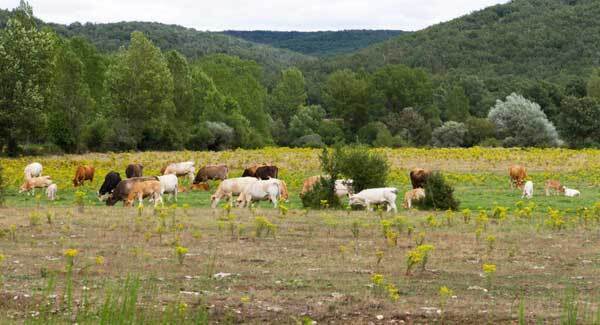
Docks, dandelions, buttercups, thistles, nettles and rushes can interfere with grass and animal production, and should be eliminated as soon as possible.

Q&A: Weeds interfere with grass and animal production

What is the best way to control thistles?

There are two main types of thistle.

Creeping thistle is the most widespread and troublesome.

It is a perennial plant and grows mainly from an underground stem or rhizome, and for this reason, it is difficult to control with one spray.

Frequent topping can reduce the root reserves, but will seldom fully eradicate the problem.

This weed is best sprayed with Thistlex, Forefront, MCPA or 2, 4-D, in June, before flowering, and it may need a second treatment later in the season to control any late shooting thistles.

In a reseed, both root fragments and seed can cause an explosion of creeping thistles.

Spear thistle only spreads by seed.

Each plant lives for two years, producing a rosette of leaves in year one, and then the familiar tree-like structure in year two.

Once controlled in the re-seed, it is rarely a problem in grazed fields, except after poaching or other sward damage.

Topping is not effective to control the growth in year one, but can be carried out on the second year growth before the seed is set.

Chemical control options are the same as for creeping thistle.

What is the best way to control rushes?

Soft rush is the most common of the many rush species in Ireland.

Draining of infested areas is essential if any herbicide programme is to be successful.

Soft rush can be controlled with MCPA or 2, 4-D applied in June or July, when growth conditions are good.

Cutting and removal of the rushes about three weeks before spraying will give the best results.

A wetting agent should be used to improve the spray sticking to the slender rush.

What is the best way to control nettles?

Perennial nettle tends to grow in clumps, making them an ideal target for spot treatment with some of the dicamba/triclopyr/Fluroxypyr/aminopyralid based products.

If the clumps are small and not too dense, some of the dicamba /CMPP based products will also contain them, if sprayed on a regular basis.

High water volumes (400 l/ha) are essential when spot treating. Nettles should be sprayed before seed production, for best effects.

How do I control ragwort?

Ragwort is poisonous in both the green and preserved state.

Normally it is not eaten in pasture, but where present in finely chopped silage, it becomes far more potent, and the natural selectivity of the grazing animal is reduced, so serious fatalities can occur.

Ragwort becomes more palatable to animals when cut or sprayed, as it releases sugars.

Small numbers of ragwort can be pulled or dug up and safely removed.

For larger numbers, sprays such as MCPA, 2, 4-D, Dicamba, Thrust and Forefront provide good contro.

However, measures must be taken to avoid stock eating any dying or dead ragwort present.

What is the best way to control bracken?

Bracken is poisonous in the green state, particularly the young green shoots.

Over the years many herbicides have been used on this weed, but Roundup is one of the most effective.

The optimum time of application is from the end of June to mid-July, when the expanded fronds are tender and actively growing.

What is the advice on weed control in new reseeds?

Weeds in new reseeds are best controlled when the grass is at the 2-3 leaf stage.

Docks and chickweed are the two most critical weeds to control in reseeds.

High populations of other weeds such as fat hen, charlock, redshank, mayweed can also cause problems.

It is essential to control docks and chickweed at the seedling stage.

This is achieved by applying a herbicide before the first grazing.

Eradicating docks at the seedling stage in a reseed is the best opportunity of achieving lifetime control.

Herbicide choice for dock control will depend on the presence of white clover in the reseed.

Consult your local adviser or merchant representative for correct herbicide choice.

More in this section

Farming

Newsletter

Stay ahead of the season. Sign up for insights, expert advice and stories shaping Irish agriculture.

Cookie Policy Privacy Policy Brand Safety FAQ Help Contact Us Terms and Conditions

© Examiner Echo Group Limited