Elections must put focus on rural issues
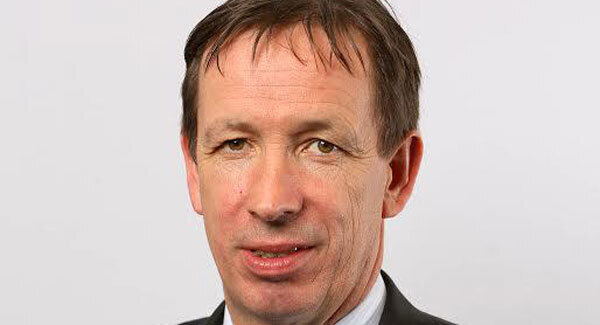
As the general election campaign enters its first full week, this is an opportunity for IFA to put farming issues before the candidates across the country and set out the key priorities for the association.
Elections must put focus on rural issues

Our network of 29 county executives will hold meetings with candidates to assess their commitment to the important issues for farm families.

We met the Taoiseach Enda Kenny recently and had a very good level of engagement with him.

Later this week, members of the executive council will discuss our manifesto with other party leaders, which will be a valuable exercise in putting IFA’s election submission in front of politicians ahead of polling day on Friday, February 26.

The IFA submission sets out the main policy issues to be addressed in each commodity sector and deals with important cross-sectoral issues.

It also highlights the wider issues affecting farm families and rural communities in regard to rural services and infrastructure, social policy, and farm safety.

The farming and the agri-food sector has been a major driving force towards national economic recovery, delivering increased export earnings and sectoral employment growth throughout Ireland.

The sector has €10.5bn worth of food exports and underpins 300,000 jobs directly and indirectly, making it the largest indigenous productive sector.

Despite our ongoing and positive contribution to economic recovery, profitability at farm level remains a major challenge for farm enterprises.

Improving farm profitability requires measures which put the sustainable and profitable growth of farming at the core of public policy for our agri-food sector.

Driven by a significant fall in dairy incomes, provisional National Farm Survey figures estimate that average family farm income is down by 9% to €24,000.

This represents less than 60% of the average industrial wage.

The viability of family farms has been threatened by a combination of reduced national funding for farm schemes, lower CAP supports, and greater exposure to volatile world markets.

Farmers need to see tangible measures that address these threats, including:

  • Annual expenditure of €580m (national and EU) for farm schemes, including the restoration of cuts to payment rates for disadvantaged areas and €250m allocation for GLAS;
  • Stronger EU CAP budget and supports;
  • Increased supports for low-income sectors and vulnerable regions, with targeted payments of €200 per suckler cow and €20 per ewe;
  • Effective measures to redress the balance of power in the food supply chain and ensure fair and viable commodity prices for farmers;
  • Real delivery for farmers from access to new export markets;
  • Improved services and infrastructure for rural Ireland;
  • Taxation measures that improve farm profitability, promote on-farm investment and encourage young farmers;
  • Actions on input costs;
  • Robust defence of Ireland’s interests in trade policy and climate change negotiations; and a single authority to manage waterways and tackle flooding.

IFA will work to ensure that politicians and political parties establish policies that promise a real and positive impact on agriculture and rural Ireland.

We expect firm commitments from all parties that they will undertake actions to support agriculture, put the sustainable and profitable growth of family farming to the fore and prioritise the rejuvenation of rural Ireland as an essential element of economic recovery.

Crucially, when a new government is in place, they must make good on their election promises on agriculture as an utmost priority — IFA will be holding them to account on their commitments in any Programme for Government throughout 2016 and beyond.

It is essential that politicians seeking election commit to the policy actions necessary to underpin the long-term income sustainability of farming.

This involves the full restoration of national funding for farm schemes, stronger EU CAP supports, robust defence of Ireland’s interests in trade policy and climate change negotiations, action on input costs, including the cost of finance, and effective measures to redress the imbalance of power in the food supply chain.

Apart from policy issues, political parties need to demonstrate that they recognise the unique importance of the agri-food sector by committing to appoint a dedicated Minister to the Agriculture, Food & Marine portfolio.

During the general election campaign, the IFA county executives will be meeting the candidates at constituency level to discuss the agenda.

At national level, IFA will be engaging with the party leaders and agriculture spokespersons.

More than 250,000 farm family voters will be keenly interested in the responses from the political parties and from candidates at national and constituency level.

More in this section

Farming

Newsletter

Stay ahead of the season. Sign up for insights, expert advice and stories shaping Irish agriculture.

Cookie Policy Privacy Policy Brand Safety FAQ Help Contact Us Terms and Conditions

© Examiner Echo Group Limited