English dairy farmer’s tale urging caution when expanding
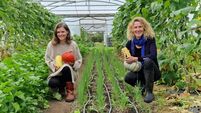
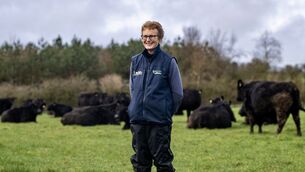
At the Positive Farmer event, farmer Andrew Brewer and his wife Claire from Cornwall in England, gave a sobering and very personal take on disease risk when expanding a herd.
English dairy farmer’s tale urging caution when expanding

The Brewers are now milking 680 cows and are focused on the future, but have certainly learned some valuable lessons from the past.

“In 1997 our farm was a mixed dairy, beef and sheep enterprise,” Andrew Brewer began. “After some consideration we decided that we were ideally suited to focus on an extended grazing dairy farm.”


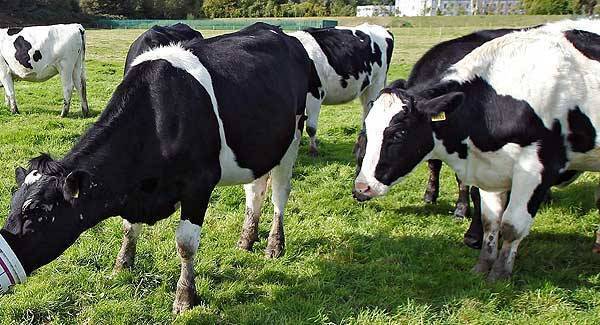
“In 1998 we were milking a herd of just over 100 mainly British Friesian cows. We started to expand the herd internally, but decided this course of action would take too long to reach our goals of being able to maximise the potential of the farm.

“In the spring of 2000, we purchased groups of cows including a whole herd of 125 cows, taking our cow numbers up to 360. During the year the new herds were kept separately and milked after the existing animals until the cows were dried off. By 2000 we had worked our way to a low-cost, spring block calving herd. Our cows had a high health status, which in hindsight we underestimated the advantage of.

“By 2001 foot and mouth was raging in the UK and we were under strict movement restrictions,” said Andrew. “Then disaster struck. Within a week after birth healthy calves that were drinking milk in the morning were dead in the afternoon.”

The vets were called; blood and dung samples were taken and all the calves were treated with antibiotics, anti-inflammatory drugs as well as rehydration therapy.

“By the time samples were processed we were finishing calveing and had lost all but four heifer calves. The results found salmonella, but the calves weren’t showing the usual signs. In the meantime we spent £20,000 trying to keep calves alive but watching them die in front of our eyes.”

By the winter of 2001 several of the Brewers’ cows had developed swollen joints and were finding it difficult to walk. More testing was done and a rare disease called Mycoplasma bovis was discovered. The vets did what they could.

“However, we felt it fell to us to investigate the disease to try and find a solution. We involved the ministry veterinary teams. We spent hours on the internet searching for information. We spoke to people in America and various US drug companies who had vaccines available.

“However, due to strict rules we were unable to import the vaccines. We then got a contact in the UIK Mycoplasma expert Robin Nicholas. We got Robin and his team involved and they spent time taking samples and we trialed a new drug which is now called Draxxin.

“This was a new antibiotic, acting on organisms without a cell wall. We kept some calves going though they were weaker than we would like, but we knew Draxxin was a help.”

Since 2003 to protect against disease like Mycoplasma bovis, the Brewers use a number of protocols, including injecting calves at birth with Draxxin, calves are reared outside, call feeders are disinfected daily.

And the cost to Andrew and Claire Brewers? They estimate a loss of about £500,000 if all costs, including loss of income are taken into account.

More in this section

Farming

Newsletter

Stay ahead of the season. Sign up for insights, expert advice and stories shaping Irish agriculture.

Cookie Policy Privacy Policy Brand Safety FAQ Help Contact Us Terms and Conditions

© Examiner Echo Group Limited