‘Positive’ year for livestock
Calf registrations declined by 96,000 head, and exports of calves and weanlings increased by 54,000 head, in 2013, compared to 2012.
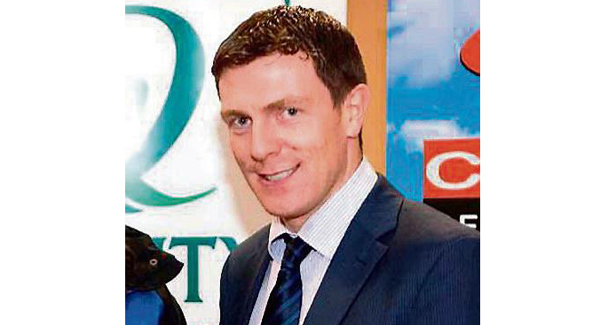
But live exports, grazing conditions, and farmer decisions as the year goes on, will also dictate the cattle supply, said Mr Burke.
His cattle supply forecast indicates that farmers may produce 35% fewer beef heifers in 2015, 11% fewer young bulls, 3% fewer steers, and 1% fewer cows, and 15% fewer “other” cattle.
EU beef production contracting by 1% in 2015, and beef consumption remaining sluggish, were forecast.
The seminar brought together the major players in the Irish meat industry at government, farmer and processor levels to hear presentations from Bord Bia and international speakers.
The 2015 outlook for beef and sheepmeat was described as positive, based on tightening supplies and increased consumption internationally, with potential for increased exports after the opening of the US market for beef, and positive steps towards gaining access to the Chinese beef market.
Declan Fennell of Bord Bia said the CSO’s June 2014 livestock survey indicated that the 2014 lamb crop was up 5-7%, and there are potentially 65,000 more lambs on the ground, but with a heavy carry-over of hoggets into 2015 unlikely.
The UK breeding flock is also increasing.
EU sheep farmers may benefit from a €7.7m spend on promotion of sheep meat up to 2017, and New Zealand’s lamb exports to China becoming tariff-free from 2016.
At the meat prospects seminar, strong demand for Irish pigmeat in Asia was predicted to help offset the closure of the Russian market to EU pigmeat in 2014. Irish poultry consumption for 2014 ended 8% higher, and this positive trend is expected to continue this year.