Breakthrough in apple-scab control
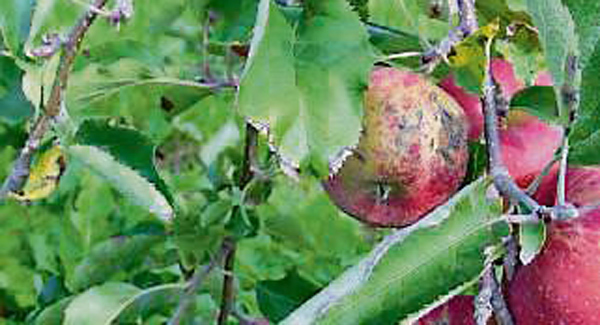
Scientists at Wageningen University, in the Netherlands, say it can now be controlled by a biological agent, H39, which is based on a strain of the Cladosporium fungus.
A biological-control company is evaluating the possible commercial use of H39, which reduced apple scab in leaves and fruits in several European field trials during the last two years.


Read

Listen

Watch

Play
Farming
Newsletter

Stay ahead of the season. Sign up for insights, expert advice and stories shaping Irish agriculture.
Farming
Newsletter
Stay ahead of the season. Sign up for insights, expert advice and stories shaping Irish agriculture.


Revoiced
Newsletter
Had a busy week? Sign up for some of the best reads from the week gone by. Selected just for you.
Lunchtime News
Newsletter
Get a lunch briefing straight to your inbox at noon daily. Also be the first to know with our occasional Breaking News emails.
Most Read
Friday, October 2, 2026 - 9:00 AM
Friday, October 2, 2026 - 9:00 AM
Thursday, October 1, 2026 - 9:00 PM