Soil testing neglected practice by Irish farmers
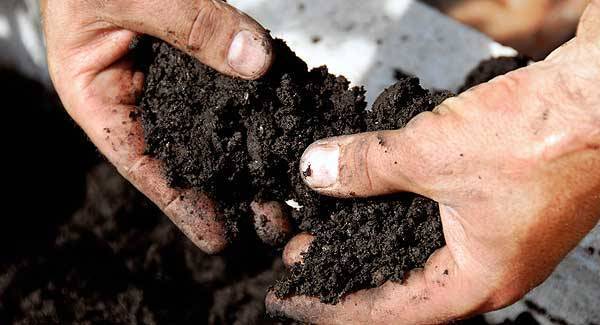
Yet it is one of the most neglected practices on Irish farms. A number of accredited laboratories for soil testing have been set up in recent years.
Co-ops and merchants handing out soil corers to farmers to take the samples themselves is a good idea to cut costs — but it can also be a recipe for disaster if used wrongly.
Bad soil sampling is worse than no sampling because it can give misleading results. For example if samples from areas that have been treated differently in the past regarding slurry applications, silage cutting etc. are sampled together the results might indicate that the area is ok for lime, P and K but the reality would be quite different.
Fertiliser recommendations are based on samples taken to 4 inches deep. Samples taken to any other depth are misleading because most of the nutrients are in the top layers. At least 25 cores should be taken in a W pattern in the area to be sampled. Avoid sampling for P and K within 10 weeks of fertilizing with P and K and within 12 weeks of slurry application or within 18 months of liming. Avoid sampling around gaps or areas where cattle gather for shelter or other purposes.
Farmers using the soil corers should get good advice on proper soil sampling and recording methods. A lot of bad soil sampling has been done in the past due to corers being handed out in offices without any instructions. Ideally testing laboratories should have a well trained person to take the samples. This should not cost very much extra if there was a reasonable minimum number of samples per farm.