Animals needed for commonage fund
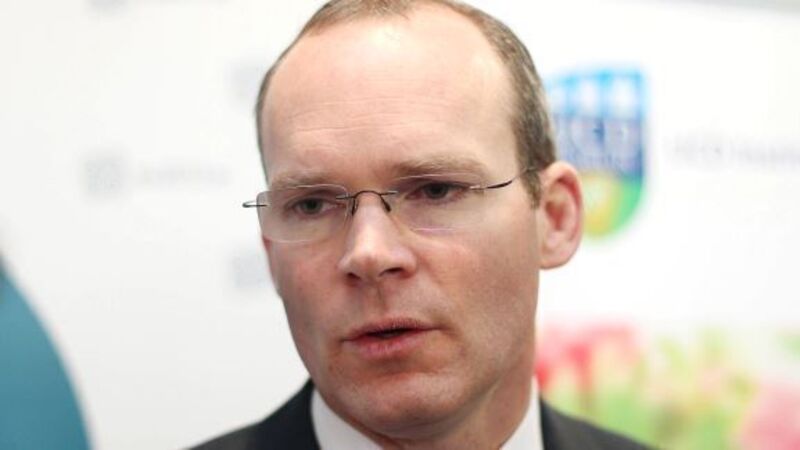
In protest at the schemes, some Connemara farmers walked out of one of the Department’s nationwide information meetings. Mr Coveney said he has an open mind on better solutions for commonages, subject to European Commission approval.
He said CAP reform requires each farmer who applies for basic payment to have an agricultural activity on each land parcel, which has been defined in Ireland as grazing at least one ewe per one and a half hectares on commonages.
To help the farmers who currently get payments for commonage lands which they do not graze, they have until December 2015, to obtain the animals for grazing.
However, TDs from commonage areas — including the Minister’s coalition colleagues — say a lead-in period of a number of years is needed, because bought-in sheep are not suitable for commonage farming, and there is an under-supply of the locally bred sheep.
The Minister is also under pressure to approve schemes wherever there are enough sheep to keep a commonage in good agricultural condition, even if they are not owned by each commonage member who is claiming scheme payments.
Payments are claimed on more than 330,000 hectares of commonage lands, by almost 15,000 applicants. Donegal, Mayo, Galway and Kerry have 71% of the commonage lands, including 54,000 hectares in Co Kerry.
“Under the new CAP, a farmer with 42 hectares of commonage can benefit by more than €14,600 per annum if he or she participates under the single farm payment, ANC and GLAS schemes, and €16,600 if he or she benefits from GLAS plus. Such an applicant could satisfy the requirement of all schemes by grazing approximately 40 sheep,” said Mr Coveney in the Dáil last week.
He insisted the minimum 50% participation requirement for GLAS is achievable and workable.
“For a piece of land to be eligible, the person claiming payment on it has to show he or she is participating in an agricultural practice. Where land is being farmed in commonage, there is a shared responsibility. If there are practical reasons we cannot get 50% of the land or the people involved, we have an implementation group which will go into that commonage, speak to the shareholders and try to put a solution in place that can work for farmers.”