Clean up before winter
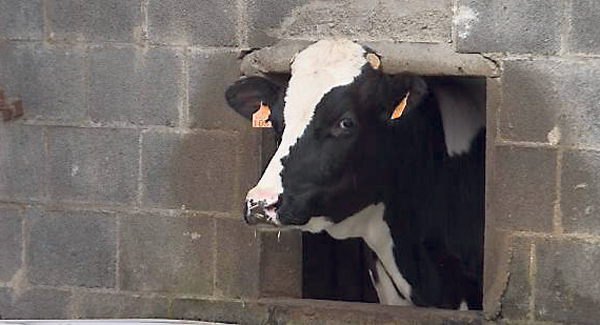
This is particularly important for sheds housing younger animals. Don’t leave it until the last minute to prepare sheds, as you never know what other major jobs might need doing. You may need outside help. Starting early will make it easier to get that help in advance of stock being housed.
Calving boxes should be cleaned of any dung from last season and disinfected. Whitewash walls in calving boxes: this makes it easier to view animals on calving cameras. Check that your calving camera is working correctly in advance of housing.
It is easier to do repairs when no animals are in a shed. Many farmers are considering accessing their camera on their mobile phone. I installed one last spring and it proved to be a fantastic investment.
It will allow you to monitor calving wherever. This is a great piece of technology, especially for part-time farmers and those living a distance from their farmyard. You can install the app, for viewing the camera, on other people’s phones, tablets and laptops.
Creep areas should also be thoroughly cleaned out and disinfected, before cows and calves come back in. One of the biggest sources of illness in young calves is disease remaining in straw and dung, from other stock who have been in the shed. Young calves are often infected by older calves in a batch, if good hygiene is not practised. Also, remember to clean out meal troughs thoroughly, before the new batch starts feeding out of them.
As with young-stock houses, it is also advisable to clean out sheds that house older stock. Newly housed animals of all ages are stressed and, as a result, are more prone to diseases that may prevail in the indoor environment. Slats and cubicles should be power-washed and disinfected pre-housing.
Check that all structures and fittings in your sheds are still sound after last winter.
Check that feed barriers are secure and that all bolts and locks are in working order. Any faults could result in injury to you or your animals.
Water troughs should be inspected for any leaks and you should also ensure that they are fixed securely to walls or gates. They should also be cleaned out and disinfected.
All water pipes and fittings should be checked for faults and be replaced immediately.
Check that all doors and gates are swinging correctly, and safely, before stock return indoors. Old or broken fixtures should be repaired or replaced.
Slat mats should be checked to ensure they are all secured to floors and slats.
Grease self-locking barriers to ensure they run smoothly.
Creep gates should also be inspected to make sure they can be opened and closed when required.
Ensure that all agitation points are securely covered.
Check that your calving gate is in good working order, and look at your calving jack and make sure it is in working order and that the two ropes are with it.
Inspect all electrical fittings and replace any bulbs required. Please don’t risk substandard fittings, as they could be lethal to both man and beast.
Look at all gutters and downpipes to ensure they are clear and that they won’t cause unwanted flooding of sheds over the winter.
Perspex roof lights should be cleaned, where possible, and damaged ones replaced. It is amazing how much more light that cleaned or new sheets provide.
Never risk welding, or cutting with a grinder, in a shed where straw and hay are stored; it could end in disaster. It’s just not worth the risk.
Inspection and repair of cattle-handling facilities can be heavy work, so get a helping hand, where possible. You won’t do much work during the winter if you hurt your back.