Top quality concentrate for under €200 per tonne
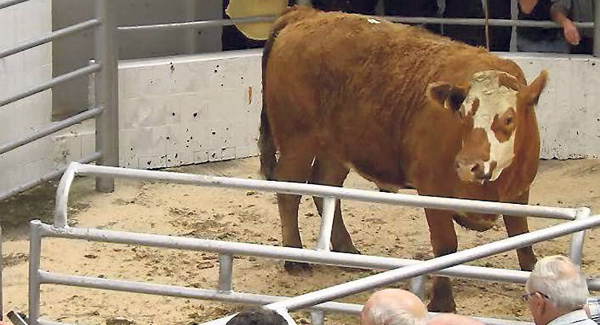
The vast majority of second silage cuts have been saved, and the after grass can’t come soon enough for many.
We are however heading for September, so it is time to start planning for banking up grass for the autumn.
Therefore, it is essential that if you have a shortage of grass at present, you slow down the rotation and supplement with either silage or concentrates. If you don’t identify this shortage quickly, it could make for a much earlier winter than you would like. It is important that you keep applying nitrogen after grazing to maintain growth, or to be ready when the rain comes.
I have discussed cereal options for beef farmers this winter on this page. The price for cereals off the combine remains at a low level, so it is a no-brainer to try to source and store some for the winter. Cereals off the combine represent fantastic value per unit of energy, versus what will be available in the form of compound feed this winter.
Cereals will always be higher in energy than compound blends. With the current beef prices, it will be essential to control costs, if any profits are to be made. Buying wheat, barley or oats off the combine and storing it with any of the available treatment methods will result in a high energy, top quality feed being available for under €200 per tonne. This will help to hugely reduce total concentrate costs, by €50-80 per tonne, once it has been balanced for your stock.
If we get any settled weather over the next two weeks, the harvest will be completed rapidly. If you have any notion of buying and storing grain, make sure that you don’t wait too long, or all the grain will be wrapped up. The most cost-effective way to get grain is direct from the grower, so talk to local growers, to secure your supply.
Make sure that you get advice before you decide whether to buy barley, wheat or oats.
This decision will need to be based on how you intend to treat the grain, and what type of animals you intend to feed. Some methods offer longer storage than others; some methods enhance the grain’s feed value.
I have been on several farms lately where they are feeding very high levels of cereals to finishing cattle. Most of these are feeding young bulls to finish under 16 months. It is essential that management in a feeding system like this is top notch. The best method of feeding ad-lib cereals to cattle is by treating the grain with an additive that increases the pH to an alkaline level (of about 9.0), and enhances the protein content.
The high pH prevents the animals from getting the acidosis normally associated with high starch feeding. For those intending to feed 6-8 kg to steers or heifers this winter, the high pH feed with enhanced protein would be a complete feed to balance grass silage, along with a mineral supplement.
In contrast, treating grain with an acid or inoculant will have the opposite effect, because you will just be feeding additional acid to the animals, thus restricting feed rates (although these are effective methods of storing grain).