Genetic problem reduces fertility of key breed of US rooster
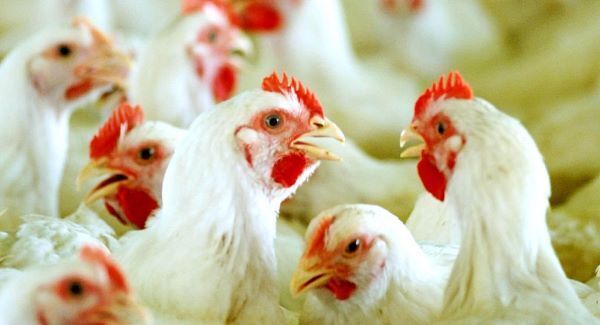
The breed, Aviagen Group’s standard Ross male, is sire through its offspring to as much as 25% of the nation’s chickens raised for slaughter, said Aviagen spokeswoman Marla Robinson.
Sanderson Farms, the third-largest US poultry producer and one of Aviagen’s largest customers, said it and Aviagen systematically ruled out other possible causes for a decline in fertility before determining a genetic issue was at the root of the problem. The issue is hitting an industry that is already suffering from a short supply of breeder birds.
The US Agriculture Department last month reduced its US chicken production forecast for 2014, predicting only a 1% increase in poundage from 2013, well below the long-run annual average of 4%. The agency predicted 2015 production would be up only 2.6%.
The limited growth in output is occurring as foreign demand for US chicken is on the rise. US exports of poultry for meat are projected to reach 3.4 million tons in 2014, up from 3.1 million last year.
Aviagen, owned privately by EW Group of Germany, provides breeding stock — hens and roosters — to Sanderson and other chicken producers, which then breed the birds and hatch their eggs to produce meat.
Sanderson last summer first identified an unusual reduction in chick output involving the Ross breed. Mike Cockrell, Sanderson’s chief financial officer, said about 17% of eggs laid by Aviagen hens mated with the rooster breed failed to hatch. Typically, the failure rate is about 15%, he said.
Sanderson gradually eliminated a number of other potential factors, including temperature in hatcheries and the source of corn fed to the birds, Cockrell said.
Aviagen sent a team of scientists to Sanderson last autumn to study the issue and has acknowledged that an undisclosed change it made to the breed’s genetics made the birds “very sensitive” to being overfed.
“We fed him too much. He got fat. When he got big, he did not breed as much as he was intended to,” Cockrell said about the breed. “The fertilisation went way down, and our hatch has been way down.”
Aviagen often tweaks genetics to improve birds, Cockrell said. Aviagen declined comment on changes to the rooster’s genetics.
The chicken breeding company has replaced the breed suffering from fertility issues with a new breed, and is mating it with the same type of hens. It is too early to provide accurate projections for their productivity, but “results to date are favourable,” Robinson said.
Sanderson expects to fully shift to the replacement breed by autumn.
— Reuters