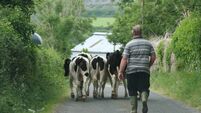
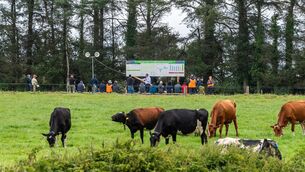
Wet summer farming skills on call again
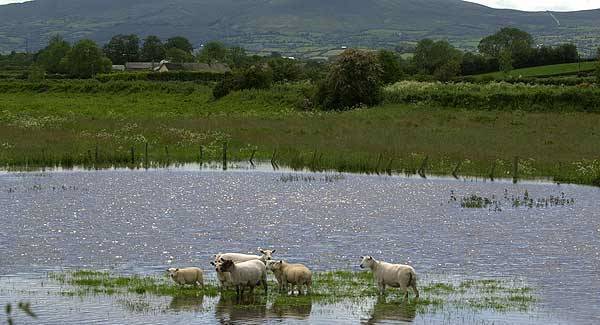
For many farmers in areas which got heavy rain, grazing conditions have become extremely difficult for the end of May.
Grass supplies have become tight around the country, and growth rates are way below seasonal norms. Heavier farms are having great difficulty grazing out paddocks and getting acceptable utilisation of grass. Thankfully, not many farmers have had to re-house cattle, yet.
It has become very obvious on all farms over the last two weeks which fields need lime, P and K, or should soon be taken out for reseeding. Don’t ignore these signals, as it is costing you money in extra nitrogen to grow grass inefficiently, and in meal to replace grass that won’t grow.
Even though conditions are currently poor, it is pretty certain that when temperatures do rise and growth improves, many will quickly have a grass surplus. This will create its own difficulties, but given the last few weeks we have had it would be a great problem to have.
Many of the calls I have received from clients over the past week have been about grass shortages, and whether they should consider grazing some of their silage ground. There are no hard and fast rules on this, but there are many factors to be considered.
* How many units of nitrogen were applied and when?
* What stock do you want to graze the silage ground with?
* What other feeds are available to you?
* Where is the best feed value?
* Will you be able to make up the silage deficit later in the year?
Where possible , cows or heifers that are recently in calf or are in the middle of the breeding season, should not graze silage ground, if high nitrogen levels are still an issue. With poorer growth recently, nitrogen levels may be even higher than normal in swards, if a later cutting date was intended.
For many, ground conditions are very poor or only OK, and grass supplies are low, so it is necessary to feed some silage or meal to slow down the rotation.
Spring calved suckler cows with calves require about 16 kg of dry matter per pair from grass per day. Do the sums, and supplement according to requirements. Shortages are not so dramatic on beef farms at present to necessitate the introduction of silage, and hopefully this will not occur. However, many dairy farmers have had to house cows by night, while many have had to increase supplementation significantly to support performance.
The introduction of early creep feeding (forward creeping grass or meal feeding) will also help to stretch grass supplies, and can be eliminated gradually again once grass supply is sufficient. Obviously, if ground conditions are very poor, forward creeping will work better than creeping with meal, with less of the poaching by cattle gathered around a creep feeder. Remember that you now want to get these cows back in calf; improving their energy status during this period will improve fertility status in the herd.
Resist the temptation to give stock access to larger areas of land; they will have a preference for re-growth, and this will depress growth hugely on this area of land, reducing the overall grass supply.