Spring fodder shortage yet again
Two weeks ago, everyone was putting out stock, or intending to do so.
Unfortunately, the weather has taken a turn for the worse. Grass is not growing at expected levels, and the prospects for growth in the next week are poor.
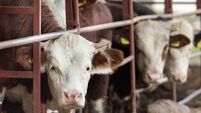
Cold days and nights, along with rain, are keeping soil temperatures below normal. As a result, many are returning stock to sheds, and are looking at dwindling feed reserves.
Those who turned out stock early have run out of grass, or have only a few days left. After the recent spell of wet weather, animals are also doing significant damage in fields. It is important to avoid damaging paddocks while trying to graze them tightly. Any damage at this time of year will reduce the paddocks’ overall yield for the whole year.
Most will also need to delay the end of the first rotation until the middle of April at least, if they hope to remain outdoors full-time. In order to achieve this, they will need to slow down their rotation by either re-housing stock by night or even full time for a period of time. Some who had not intended on grazing silage ground have had to do so, and this will have a huge knock-on effect. Grazing the silage ground will have one of two consequences — it will either reduce the volume of silage produced, or delay cutting date, resulting in poorer quality feed for next winter. Neither scenario is ideal.
For many, this weather is also delaying slurry and fertiliser spreading. This will have a huge knock-on effect on future growth. It is therefore essential that you take any window of opportunity to get fertiliser out in anticipation of improved growing conditions.
For those that have not re-housed yet, you must make sure to do the grass availability sums, and assess land conditions. Are your cows getting enough energy from grass, as we approach the critical breeding season for spring calvers? Are the cows producing enough milk of the desired quality to support their calf?
Are paddocks getting cut up badly? How will they perform in the next and subsequent rotations? Don't wait to move cattle after the damage has been done.
How to feed and manage re-housed stock?
Every farm is different, so there is no recommendation which will suit all farms. Get advice based on stock requirements, factoring in feed quality and quantity available.
Cows about to start the breeding season need more than just grass silage — don't forget minerals, and a concentrated energy source.
Calves should also have access to some concentrates, where possible.
Bulling heifers should also get some concentrates including minerals.
Weanlings will benefit from concentrate supplementation, as their intakes are still increasing rapidly as they grow.
Stores coming in off grass will do on silage alone in most cases.
Especially in the first 24 hours after housing, keep a constant supply of feed in front of stock. This will avoid bullying and reduce stress.
Hopefully, sooner rather than later, re-housed stock will head to grass again. Even though stock are back in your shed, don't forget to keep an eye on your grass. Once growth, land conditions and weather conditions have improved, a good rule of thumb is to return stock to grass when you have 10 days grazing ahead of you again. This will obviously differ from farm to farm, depending on land type, soil fertility and recent re-seeding policy. Don't forget tetany defence when suckler’s return to grass.