Beware of high-risk early grazing strategy
Some farmers who are a little short on feed this winter are pinning their hopes on an early grazing season.
This is a high-risk strategy. What will you do if you need to rehouse, and have no fodder in the yard?
There is plenty of feed for sale, such as silage, hay, straw and beet. Try to hold off on turn-out until you are certain that they will remain out.
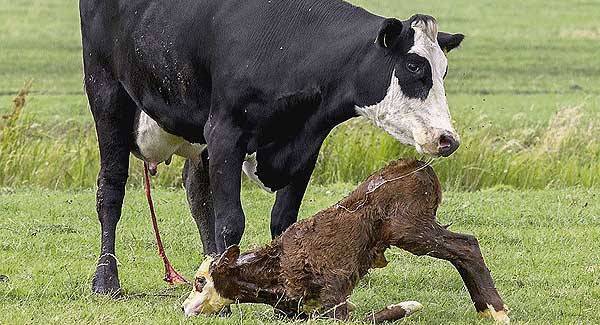
This time of year is always very busy on suckler farms, and the list of jobs can be endless.
Calving will be high on the agenda for many — but try not to take your eye off other things that may need to be done around now.
Tasks both in the farmyard and around the rest of the farm must be tended to. All going well, the grazing season is not too far away. Most beef farms will be targeting a turn-out date in mid-March or thereabouts.
This will obviously depend on your land type, stocking density and the great unknown of the Irish weather.
It may be up to 10 weeks away; but plans need to be put in place in order to have sufficient grass at turn-out so that cattle can remain out full-time.
It is important that strategies are put in place to get the very best use of slurry on your grazing ground, in conjunction with efficient use of bag fertiliser.
Treat slurry as an important asset, and try to use it wisely to reduce your overall beef production costs. With regard to fertiliser, it is important that you use the correct product based on the nutrients required by your ground.
If you have recent soil results, use these to devise your nutrient strategy. Learn from fertiliser responses from recent years; many of you will know that certain areas or fields are less responsive to urea than they are to CAN.
After a fantastic 2013 growing season, many are looking at cropping strategies with great enthusiasm this year.
For some, it will mean growing alternative crops such as whole crop and maize, which were hugely successful in 2013.
This strategy will make sure that you do not put all your eggs in the one basket, in the form of unreliable grass silage.
Whatever you are considering, base your decisions on solid facts and figures, and not just hearsay.
For those who dosed cattle at housing: don’t forget that if you used products that control only mature fluke and worms, then you should have dosed for a second time by now. Lice also seem to be fairly common in sheds at present, and need to be controlled.