Grass-based beef producers ‘have nothing to fear from lab meat’
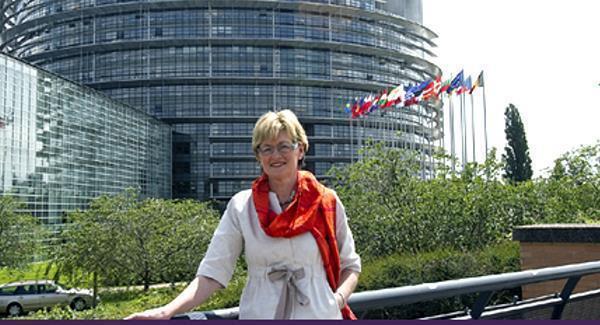
The Fine Gael MEP is due to outline her views on a wide range of issues facing Irish farmers at a conference hosted as part of tomorrow’s AIB National Livestock Event at the Tullamore Show in Co Offaly.
She says food authenticity will become increasingly important in the years ahead, not just in the EU but in global consumer markets.
“Strong links between producers and processors are necessary. So too are strong links between producers and retailers. These relationships must be based on trust and fairness.
“Livestock production is costly and ensuring returns to producers is essential. Livestock farming is also important environmentally and this must also be recognised,” she said.
The public’s response has been fairly muted to the unveiling in London earlier this week of a ‘beef’ burger produced in a laboratory.
The world’s first lab-grown beef was produced in a petri dish by a team led by vascular biologist Prof Mark Post of Maastricht University in the Netherlands.
Prof Post told reporters attending the press conference in London that the new burger was “a very good start” in scientists’ bid to develop alternative meat products.
The in-vitro burger, cultured from cattle stem cells, is the first example of what Prof Post says could provide an answer to global food shortages and help combat climate change.
Created at a cost of around €290,000, the burger was fried in a pan and tasted in front of TV cameras by two volunteers whose responses were also relatively muted. They referred to the “absence of fat” but made neither positive nor negative comments on taste.
The burger was created by knitting together 20,000 strands of laboratory-grown protein, combined with other ingredients normally used in burgers, such as salt, breadcrumbs and egg powder.
Red beet juice and saffron were added to give it colour.
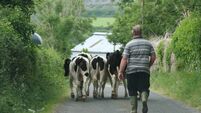
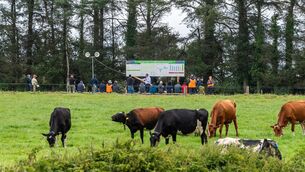
Mairead McGuinness said that Irish beef, produced from grass-fed cattle, had an unbeatable reputation. At tomorrow’s event in Tullamore, she will address the immediate issues facing the Irish beef sector.
She will outline EU concerns about sustainable livestock production, pending trade deals and the impact on the beef market and how CAP reform might impact on the sector.