EU biofuel rethink food for thought for producers
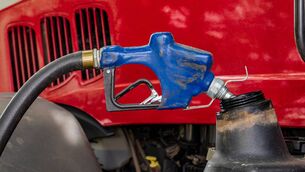
Hence the European Union’s rethink on crop-based biofuels, and draft legislation calling for a limit on their use.
The Commission in Brussels fears that the biofuels are less climate-friendly than initially thought, and that they compete with food production.
Proposals are being prepared for EU governments and lawmakers for a major shift in Europe’s biofuel policy, as policymakers admit that the EU’s 2020 biofuel target was flawed from the outset.
These proposals will include removal of all public subsidies for biofuels produced from crops such as rapeseed, wheat, and sugar, after the current EU legislation expires in 2020.
Subsidies will be recommended only where they lead to substantial greenhouse gas savings, and where crops used for food and feed are not involved.
This leaves the EU plan to move towards drawing 10% to 20% of the EU energy supply for transport from biofuels in tatters.
It’s bad news for thousands of people who saw opportunities for themselves in farm-produced biofuels.
It’s a reminder of how precarious any business based on subsidisation and political decisions is. It could be the precursor of a global game-changer, if the US does a similar rethink on its policy that 40% of its maize harvest must be used to make biofuels. That was an even more politically-inspired decision than the EU biofuels policy — with reduction of US reliance on foreign oil imports the main motive.
Bio-fuel production is highly subsidised in every nation — proof in itself that bio-fuels do not deliver more energy than is required to produce them.
It is worrying that well-intentioned politicians and leaders have shown such bad judgement in an area as important as food production.
It has taken the worst US drought for 50 years, inflicting huge damage on the maize crop, to open the eyes of world leaders to this.
There’s nothing like stark reality to change minds.
That reality is the threat of a fourth food price crisis in less then five years — a real possibility, according to the World Food Programme, International Fund for Agricultural Development, and Food and Agriculture Organisation.
Even in a good year, global grain production is barely sufficient to meet growing demands for food, feed and biofuel. Only a handful of nations are large producers of staple food commodities, and when they are affected, expect trouble.
That trouble could be on the doorsteps of the world’s most powerful decision-makers, as well as far away in the underdeveloped countries where food shortages are a matter of life or death.
In the US, for example, animal feed shortages point to pork, the affordable meat for many families, being 39% dearer next year.
Prices are also on the rise in Europe, because of a double whammy of animal feed shortage and EU animal welfare rules in 2013 requiring group housing for sows (and the EU shows no sign of doing a biofuels-style backtrack on this).
As a result, pork prices are expected to hit a record £2 a kilo in the UK. Some forecasters believe the EU pork price will increase by more than one-third.