Call not to buy cheap vegetables
There were 377 commercial vegetable growers in 1999. There are now just 215. There are only five commercial carrot growers left. Unfair pricing, weather disruption and increasing competition from imports are blamed.
The survivors still employ more than 1,100 workers, but their predecessors were allowed wither away — perhaps because consumers were gaining from the low-priced vegetable offers in the shops.
Now, consumers are looking for even better value in difficult times, but 12,000 of them are being asked to “look at the bigger picture”, and consider where the policy of cheap food is heading.
The call comes from the Grow it Yourself organisation, to its members in nearly 100 groups around Ireland.
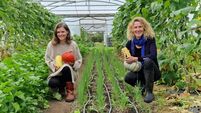
GIY aims to inspire and empower people to grow their own food. Nevertheless, they are backing the country’s surviving commercial vegetable growers, by calling on their members and on the public not to buy vegetables if they are too cheap.
GIY founder Michael Kelly said the end of year cheap vegetable offers by supermarket chains were completely excessive, and risked putting commercial vegetable growers out of business.
A kilo of Brussels sprouts, carrots or parsnips was on offer for just 22 cent. “We have spoken to a number of experts in this area who tell us that the breakeven point for the growers on a kilo of these vegetables is about €1.20 and a sustainable income would be made at about €1.80,” said Kelly.
Commercial growers that GIY spoke to were reluctant to clarify whether they had to discount to meet this price point, or whether the supermarket was taking the hit as a “loss leader” to get shoppers in to the store. “In reality, it’s probably a bit of both,” said Kelly. “Supermarkets have tremendous power over commercial growers, particularly the growers of a time-sensitive crop such as Brussels sprouts. Because sprouts are generally only eaten over the Christmas period, the grower runs the risk of being left with the crop if it doesn’t sell now. They are very vulnerable to supermarket demands as a result.”
According to GIY, vegetables which are sold at prices where the growers can make a decent living (and continue to employ thousands) are still tremendous value for money. “There is always a cost to cheap food,” said Kelly. “We pay somewhere along the line. In this case, we will pay in Irish jobs being lost and possibly the complete closure of our indigenous vegetable growing industry. Ultimately that means the only vegetables we will be able to eat will be shipped in to Ireland from overseas.”
However, it seems that the farmers whose vegetables are shipped across continents into Irish shops have their own troubles. The province of Almeria in the south of Spain exports more than 200,000 tonnes of vegetables per month at this time of year, worth more than €200 million. But 500 growers there recently protested, fighting for better prices at the shops run by the German Aldi and Lidl chains, and the French Dia chain, accusing them of setting prices way below production costs.
Here in Ireland, IFA horticulture chairman Brian O’Reilly has confirmed that the recent rise in energy and fuel costs put significant pressure on growers’ returns. He also called on all retailers to approach the market with due regard for the producer, and return a viable farm gate price.
Meanwhile, GIY members have been asked to support a “Fairpriceforfood” twitter campaign, to seek out their local supermarket manager and tell them growers should be paid a fair price, and to lobby TDs. They have also been urged to source food directly from the grower if possible, through box schemes, farmers’ markets and the yourfieldmyfork.com website.
All farmers can take encouragement from consumer support in their never-ending battle against the retailers who ultimately control the price of farm produce. This example proves that if consumers have better understanding of the difficulties faced by farmers, they will support them. It is precisely because GIYers have a greater appreciation of the costs and efforts involved in producing food that they are backing farmers. With their production knowledge, when they go to the supermarket, they are not always looking for the cheapest food, and are more likely to buy more seasonal, more local and more organic food. The educated consumer can play a big role in ensuring farmers get fair prices.