Derrypatrick just like a normal farm

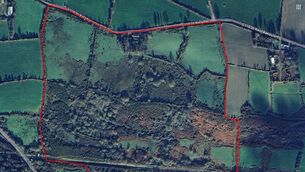
ONE of the bulls being afflicted with photosensitisation must have been nearly the last straw for the managers of the Derrypatrick suckler herd, established by Teagasc at its Grange, Co Meath, research centre.

Derrypatrick just like a normal farm

They have been unlucky with bulls on this farm, since it opened in January, 2009.

The bull has been indoors out of the sun for the last few weeks. while it suffers the skin peeling, hair loss, reddening, peeling and ulceration of the skin which are symptomatic of this nasty problem.


Last year, a non-performing bull caused a major problem on the farm. Pregnancy scanning in August revealed only 54% pregnancy in one of the two suckler herds on the Derrypatrick farm, where the cows are managed in two groups of 56 each.

They were artificially inseminated up to June 17, followed by introduction of a Belgian Blue stock bull for 28 days in each herd. It eventually emerged that one of the bulls was infertile.

This year, all cows calved down between February 15 and May 1. However, 10 of the original Derrypatrick animals — eight Belgian Blue cows and two Blonde heifers — had to be calved by caesarian section. It was determined afterwards that calf weight (at birth) going above 9% of cow weight led to calving difficulty. The winter feeding regime of ad lib second cut silage with a low DMD may have to be reviewed.

However, there was no clear evidence of high body condition score at calving in any of the cows that required sections. The cause may be an amalgamation of feeding regime and bull type.

Either way, the large number of sections will place further pressure on the breeding season, as cows may take up to 90 days to heal over and start cycling again.

Nor did things go as smoothly as hoped with the replacements brought into the Derrypatrick herd last year. In the 20 replacements, there were four caesarian sections, five dead calves, and 12 live calves. There was tough weather to cope with also, this spring. Grass growth was good for the first half of April, primarily because Grange’s heavy soil retained moisture longer in this dry month. However, the grass growth was short lived, due to lack of rain, and fertiliser applications not washing in. The ground began to crack, and grass growth started to decline, until rainfall at the end of the month.

Some unproductive silage ground had to be opened up to allow other paddocks catch up with pasture demand.

Four paddocks were reseeded in the spring; however, the lack of rain during April restricted their growth.

Difficulties continued for the first three weeks of the breeding season, with only 62 cows out of 107 submitted for insemination. This 57% result is well short of the aim to have 70 to 80 % observed, so the stock bulls have been introduced earlier than was originally planned.

There has been some criticism of the setbacks on the farm, where Teagasc aims to demonstrate stand-alone, high-profit, sustainable suckler beef production. However, the suckler cattle farmers around the country who are expected to learn from the achievements and results at Derrypatrick will identify better with the realistic story coming out of this farm than with a place where everything seems flawless and maximum output is achieved without a hitch.

Cattle farmers around the country know that is impossible, especially for the vast majority of suckler farmers who are part-timers. Every one of them will have been through the same setbacks which are recorded in the updates from Derrypatrick on the Teagasc website.

There’s a message also for the rest of the beef industry, and for the government, in the reports from Derrypatrick.

The message is that cattle farming is a tough business full of setbacks, and one of the most surprising things about it is that farmers stick with it, instead of taking it easy and waiting for their single farm payment to drop through the letterbox.

But stick with it they do, presumably because cattle farming is part of being an Irish farmer, and part of the country’s astonishing export success. For example, the aim at the Derrypatrick farm is to produce nearly four tonnes of carcase beef per year, at least 80% of which will be exported.

But Government and the industry must take care to offer enough incentive to our cattle farmers, to make it worth their while coping with the day-to-day setbacks and small disasters that are part of every cattle farmer’s experience.

More in this section

Farming

Newsletter

Keep up-to-date with all the latest developments in Farming with our weekly newsletter.

Cookie Policy Privacy Policy Brand Safety FAQ Help Contact Us Terms and Conditions

© Examiner Echo Group Limited