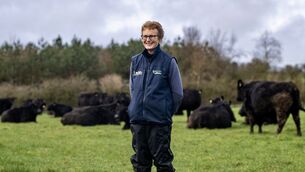
Don’t hold out for wider ban
Research shows that tropically adapted Zebu breeds, which are widespread in Brazil, produce meat with an overall poorer eating quality and more variability than that from British or European breeds.
EBLEX has announced it reserves the right to test for the gene in products carrying the Quality Standard Mark, and will suspend businesses found in breach.
More than 2,500 businesses in Britain are members of the Quality Standard Mark Scheme, including wholesalers, hotels, independent butchers and well-known multiple retailers.
Irish producers and processors striving to sell quality beef should also be stamping out the zebu. Perhaps Irish cattle farmers should work also harder at beef quality, getting EU consumers on their side, because EU leaders are likely to continue ignoring their Brazil beef complaints.
They shouldn’t raise their hopes of the European Commission widening the EU ban on Brazilian beef imports.
There’s been a lot of publicity about Irish farmers’ leaders taking their complaints to the EU’s Directorate General for Health and Consumer Affairs, the European Parliament and the EU Ombudsman.
Comments from the office of EU Health Commissioner Markos Kyprianou have also been encouraging for the EU farmers who see their produce displaced from the European market by meat of questionable traceability from Brazil.
Mr Kyprianou has confirmed the European Commission will consider widening the ban beyond the three Brazilian states from which the EU does not take beef, if the Brazilian beef industry fails to address outstanding food safety concerns before the end of this year.
The ban has been in place since 2005, following an outbreak of foot-and-mouth disease in Brazil.
But Mr Kyprianou’s spokespersons hastened to add that there is no threat at present to EU consumers from eating Brazilian meat, imported from regions not covered by the current ban.
And there was only sweetness and light during the recent historic occasion of the first Brazil-EU summit meeting, and no mention of beef.
EU leaders at the meeting said they share with Brazil fundamental values and principles — such as democracy, rule of law, promotion of human rights and basic freedoms and a market-based economy. So much for EU farmers’ allegations of slavery and land-grabbing and destruction of rainforests to fuel the South American country’s agriculture boom.
The leaders at the summit also celebrated their shared belief that further liberalisation of trade and investment flows will promote economic growth and prosperity, reaffirming their strong commitment to world trade talks which promise increased trade flows in agriculture, industrial goods and services — all reassuring for Brazil’s beef exporters, who have accused Irish farmers of making “false and misrepresenting” claims about their beef.
Now sending out €3.2 billion of beef per year — which makes Brazil the world’s largest meat exporter — they can rest assured that stopping this lucrative export flow is the last thing on the mind of the EU leaders who met their President.
On the contrary, they will be relying on an easy ride, while Portugal, their closest EU ally, holds the rotating EU presidency for the next six months.
At their summit meeting, Portuguese Prime Minister Jose Socrates agreed with Brazil’s President Lula that a world trade agreement should benefit the poorest countries, and developed states must agree to reduce their aid to agriculture.
Such a scenario would see even more Brazilian beef flooding into Europe.