Huawei Watch D3 review: The Smartwatch with medical-grade blood pressure accuracy
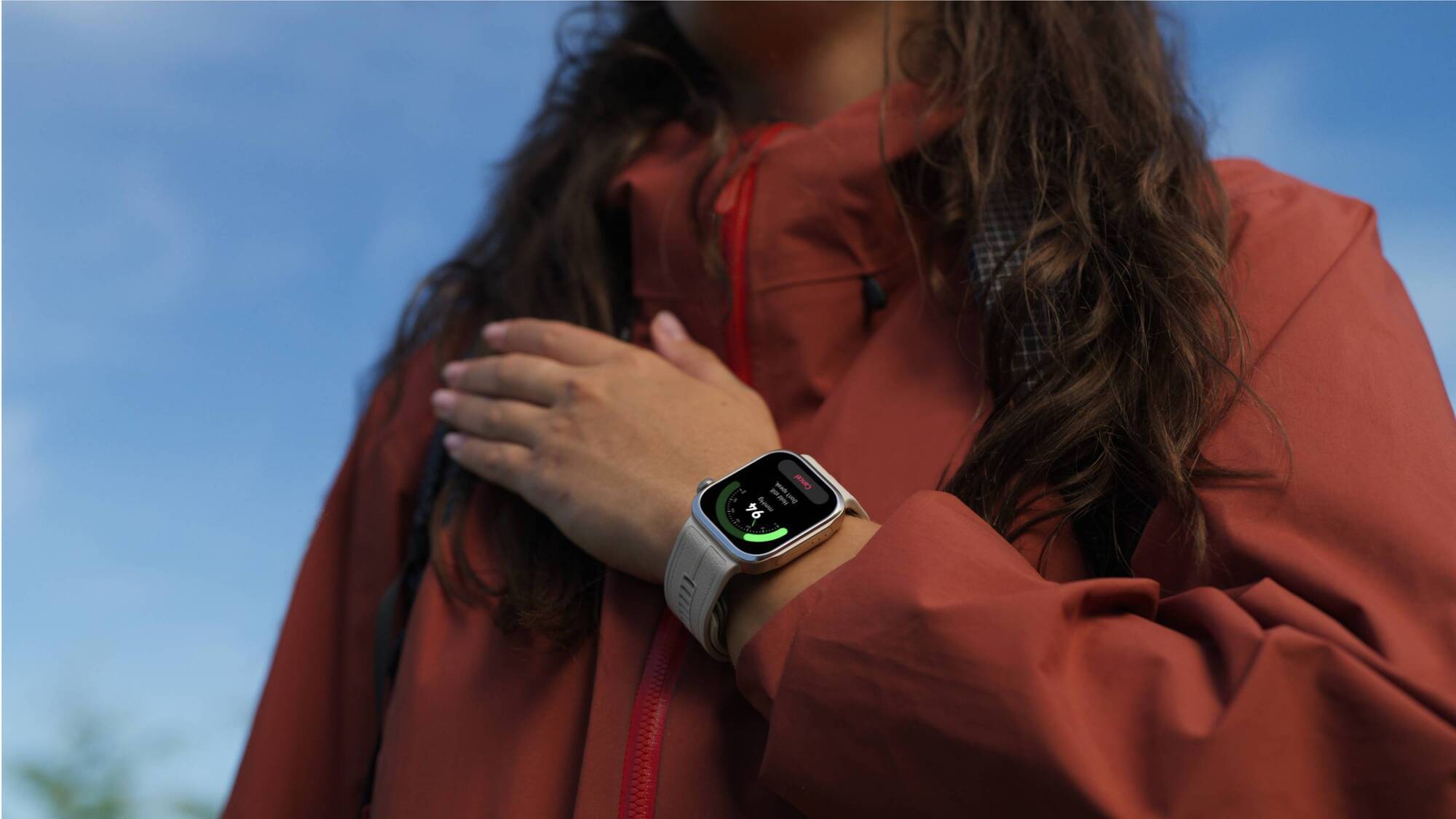
The Huawei Watch D3 combines medical-grade blood pressure accuracy with a premium, refined smartwatch design. Picture: Huawei
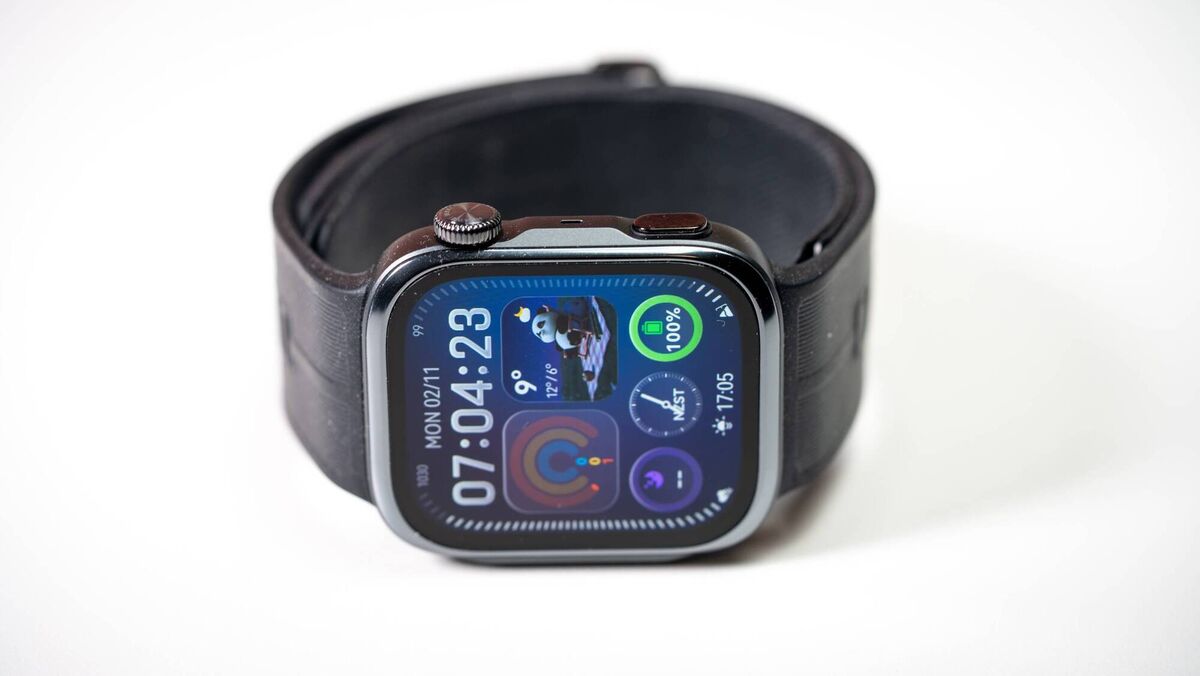
The Huawei Watch D3 has evolved from its predecessors. The earlier versions were effective, but they lacked a certain level of refinement. The square shape, physical digital dial and buttons are similar to other Huawei smartwatches, including their Watch Fit series.
The Watch D3 has been slimmed down to 11.3mm and is lighter too, shedding weight compared to the previous model. The case is made from an aluminium alloy, with a sturdy feel on the wrist without the unnecessary weight of stainless steel.
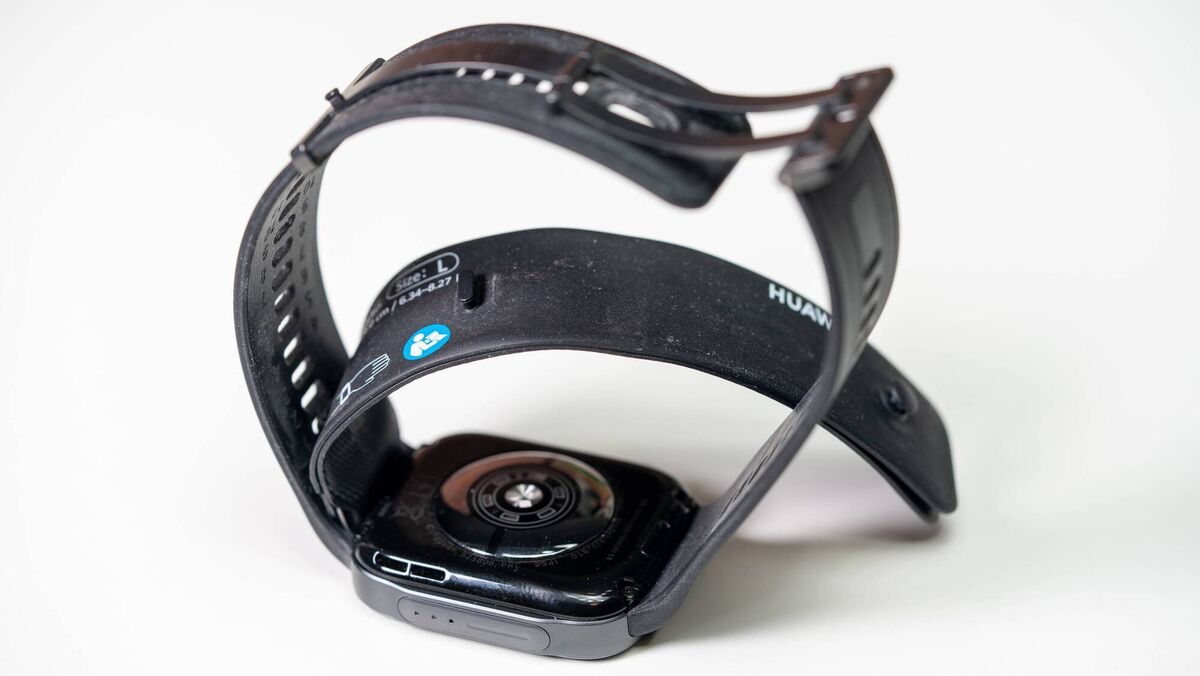
To give you accurate blood pressure readings, the watch uses a built-in mechanical airbag under the strap and a high-precision sensor. Combined with Huawei’s TruSense technology, this lets the watch track subtle changes in your pulse pressure much like a traditional cuff-style blood pressure monitor.
I received the black version with a HNBR (Hydrogenated Nitrile Butadiene Rubber) strap, though I noticed the gold and mocha versions look quite striking. Despite the strap and bag combo, it doesn’t feel bulky, and I haven’t felt any discomfort while wearing it 24/7 for the last few weeks.
To get an accurate reading, the watch must be positioned exactly right on your wrist. The strap has markings to guide you because if it’s too loose or sits too high, the measurement will be off. It’s hard to believe that something this small is capable of creating enough pressure to inflate the bag under the strap to do a proper blood pressure reading, but you get a similar, slightly uncomfortable feeling, where the buildup of pressure causes you to feel the blood pumping through your veins.
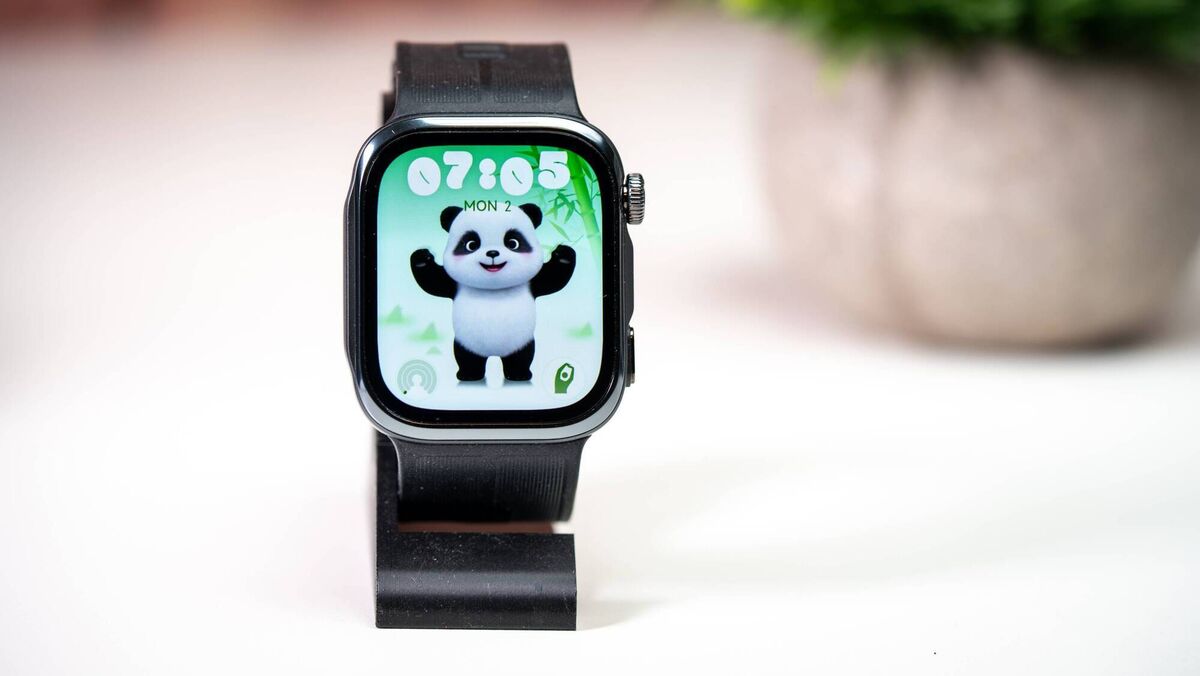
The 1.92-inch AMOLED screen looks sharp. The bezels are much slimmer than on the D2, letting the screen take up more of the face. Its peak brightness of 3,000 nits is excellent, making it easily visible in bright daylight. I never had to squint to read my heart rate or check my notifications. It’s a high-quality display, comparable to any premium smartwatch I have used recently.
The main reason to own the Watch D3 is the blood pressure monitoring. Most smartwatches try to use optical sensors to estimate blood pressure, but the Watch D3 is different. It’s a fully medically certified device that uses a real inflatable cuff inside the strap to provide actual measurements.
This is a massive distinction. Most people only have their blood pressure checked once in a while at a doctor's office, which can lead to issues like hypertension, just because they feel stressed being in front of a doctor and being asked to perform. The gold standard for catching these issues is Ambulatory Blood Pressure Monitoring (ABPM), which involves wearing a device for twenty-four hours to get a true average. The Watch D3 makes this much more convenient.
I tested the accuracy of the Watch D3 by comparing it to a traditional upper-arm cuff. Over a month of testing, the readings were remarkably consistent. The difference was within a very small margin. The watch meets high industry standards for accuracy and is designed to be reliable even for people with challenging circumstances. Of course, I’m not a doctor, and I’m only a sample of one, but in my testing, I found that the accuracy remained consistent. It’s also designed to be effective for elderly users or those with stiffer arteries.
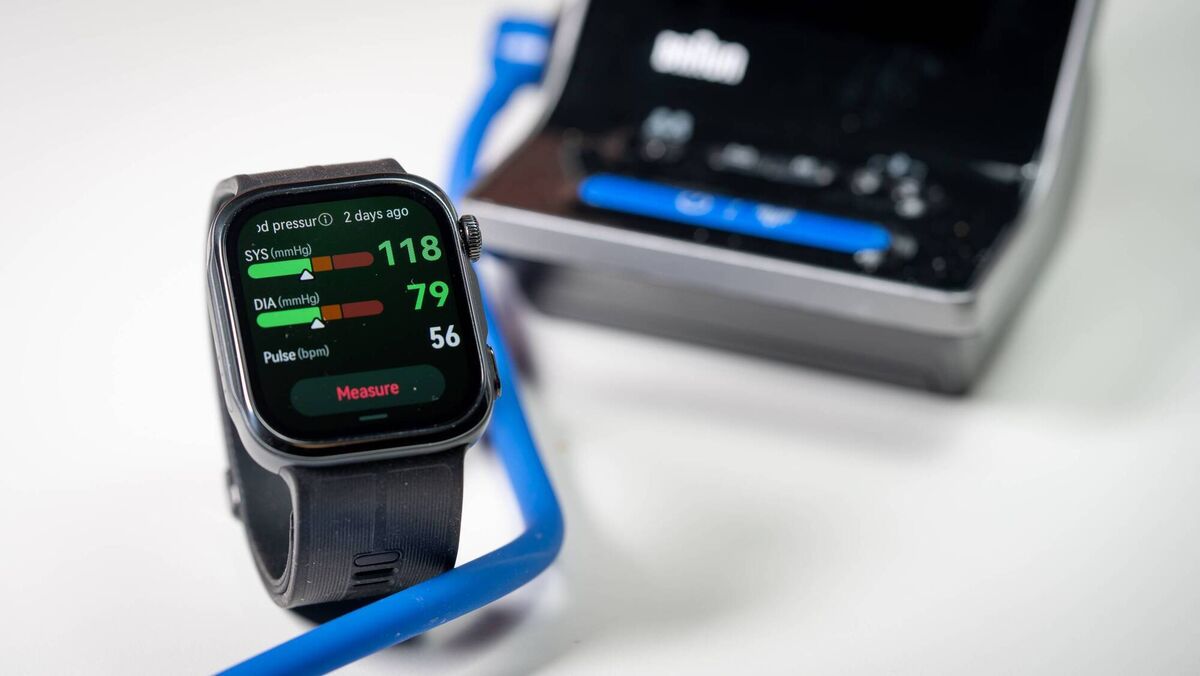
While you may not have a problem with your blood pressure, you can also use it to take measurements before and after exercise. A traditional arm cuff simply cannot do that. By taking a reading right after a workout, you can see how your body responds to physical stress. This can provide a window into potential hypertension that might not show up during a sedentary check-up. For example, if your blood pressure was too high before a run, the watch might suggest you postpone the workout. This kind of proactive health management is invaluable.
The software also includes a feature to quickly check in with your body. By holding a button for sixty seconds, the watch runs through eleven different metrics, including heart rate, heart rate variability, and ECG, giving you a quick snapshot of your health trends.
With typical use, I was able to get through five to six days on a single charge. However, if you use the continuous 24-hour monitoring mode, battery life drops significantly to about one day. However, for most people, five days of battery life is a revelation, especially if you’re coming from something like an Apple Watch.
While the health monitoring is the star, the Watch D3 is also a very capable sports watch. It has over 100 different workout modes, including running and cycling.
The GPS tracking, with the limited amount of testing I did with it, looked reliable and accurate. The heart rate tracking is equally reliable. I compared it to my Apple Watch Ultra, and the data matched almost perfectly. As far as casual activity tracking for normal people like me, the Watch D3 is more than capable.
The watch also includes an ECG sensor, which allows you to check for heart rhythm irregularities. There’s not much to say here other than it never failed to take a reading, and similar to my Apple Watch, it didn’t show that I had any heart issues. However, it’s a good feature for anyone looking after elderly parents, as it provides security without requiring constant manual checking.
The Bluetooth calling feature is incredibly handy for answering or rejecting calls and checking your call history right from your wrist without needing to reach for your phone.
Something that’s been sadly missing from Huawei’s devices is support for Google Pay, but now, thanks to support for Curve Pay, you can use the Watch D3 for contactless payments.
If you need reliable, medical-grade blood pressure tracking in a wearable, the Huawei Watch D3 is in a class of its own. While the inflatable strap adds some bulk, the high-end AMOLED display, dual-band GPS, and impressive ABPM accuracy make it a highly recommended tool for cardiovascular health monitoring.
€449 Harvey Norman

CONNECT WITH US TODAY



Be the first to know the latest news and updates