Samsung's triple threat: A new era of choice at Unpacked London
Samsung Unpacked
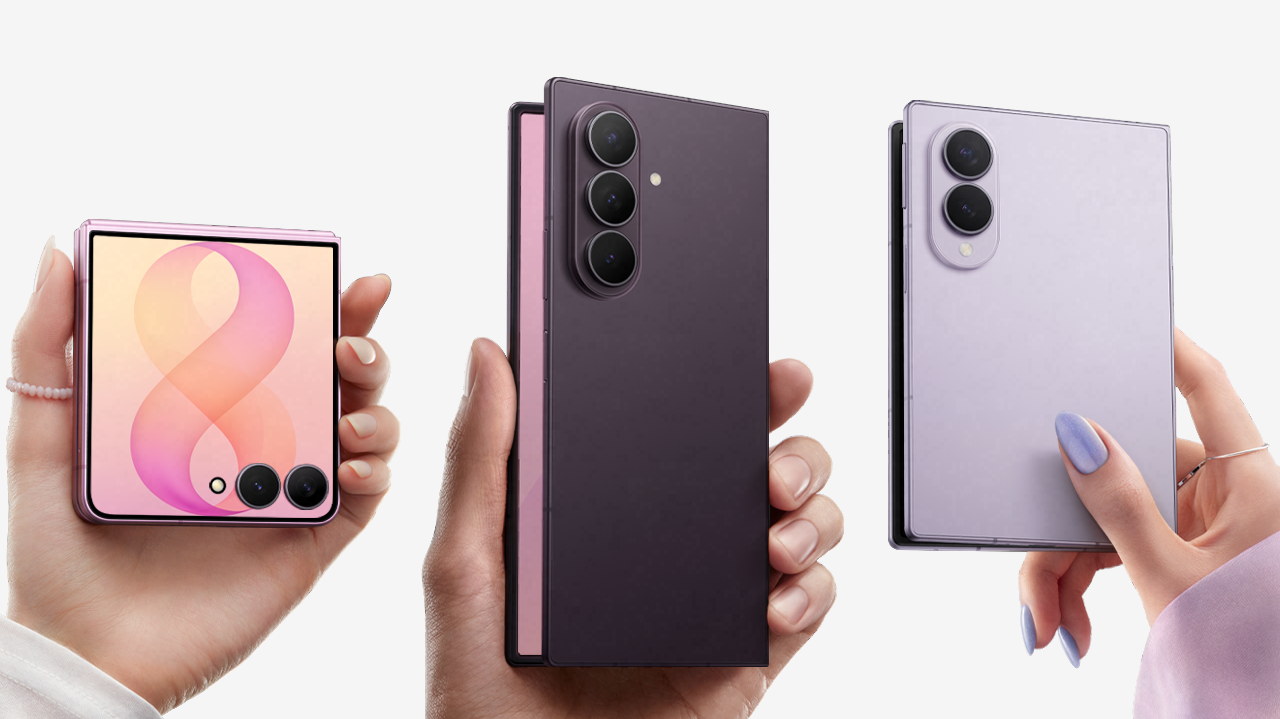
Sitting in the theatre during the Samsung Unpacked event in London today, the atmosphere felt markedly different from previous events. There was a palpable sense that we were witnessing more than just a standard product refresh. For eight generations, Samsung has been refining its approach to foldables, often sticking to a predictable pattern of incremental improvements. This year, however, they have thrown the old playbook away. By launching three distinct foldable models in a single event, Samsung is attempting to occupy every possible niche within the market, from the casual user to the extreme professional.
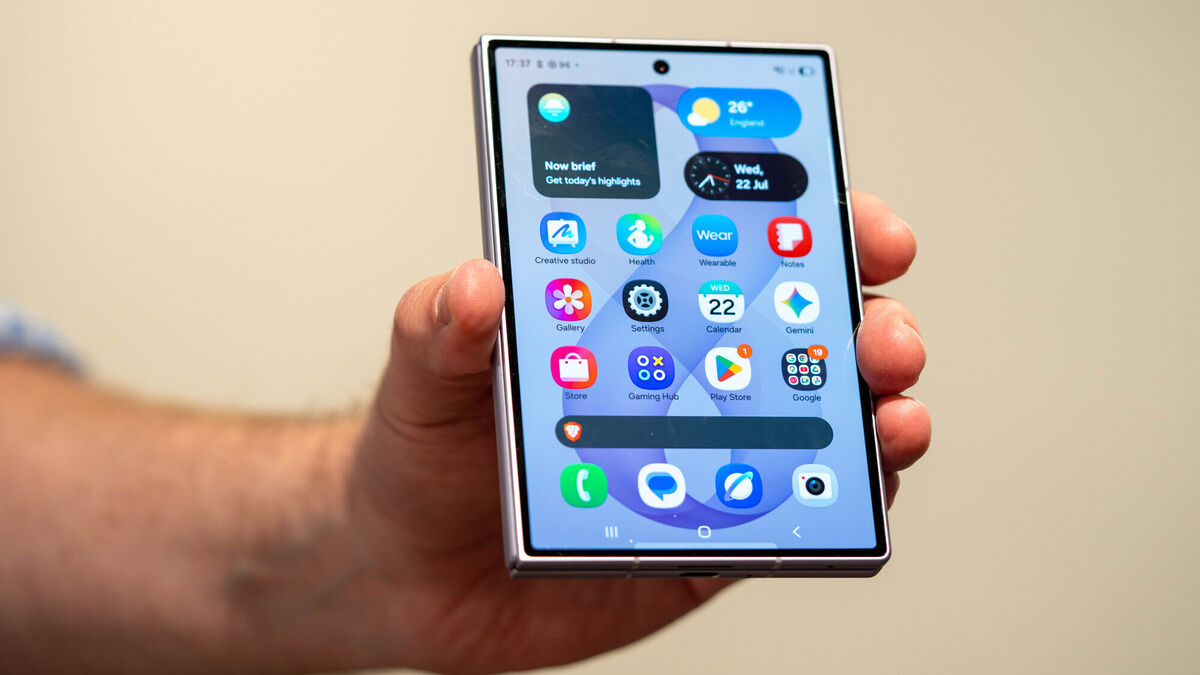
The headline for me was clearly the split strategy. Samsung is no longer content with just one “big” foldable. The new Galaxy Z Fold 8 represents a significant shift in design philosophy. While it functions as the direct successor to the Fold 7, the physical experience of using it has changed. The screen ratios have been reimagined, moving towards a 10:16 cover screen and a 4:3 main display when unfolded. I spent some time handling the device during the hands-on sessions, and this change is much more intuitive than it sounds on a spec sheet.
The new cover screen feels familiar and comfortable for those quick, almost repetitive tasks we all perform: checking a notification, replying to a quick message, or scrolling through a news feed. It doesn't feel like you are using a tiny, stretched-out rectangle anymore. When you unfold the device, that 4:3 ratio creates a canvas that is excellent for reading e-books or watching video without the awkward letterboxing that plagued earlier models. Perhaps most impressive was the weight. At just 201g, it is Samsung's lightest Fold yet. In my hand, it felt remarkably close to a standard flagship phone, which is a massive win for anyone who has found previous foldables too cumbersome for one-handed use.
Unfortunately, while I love the new look and form factor, this isn't a device without compromises. The lack of a telephoto camera is the most notable omission, and it does not feature the same privacy screen found on the Ultra model.
However, for those who find the standard Fold 8 almost too lightweight or lacking in sheer power, Samsung has introduced the Galaxy Z Fold 8 Ultra, which is the real upgrade to the Galaxy Z Fold 7. It's an expansive, imposing device that feels like a workstation for your pocket. The 8-inch main display is massive, providing a workspace that actually makes multitasking feel productive rather than just possible.
The camera system on the Ultra is where the price premium becomes most apparent. The 200MP main camera captures an incredible amount of detail, and I noticed that even in the slightly dimmer lighting of the London event space, the images remained sharp and clear. There's also a new 50MP ultra-wide lens that makes landscape photography much more versatile. However, we must address the elephant in the room: the cost. With the top-tier storage model reaching €2,869, this is a significant investment. It's a device for creators and power users, but for most people, it might feel like overkill.
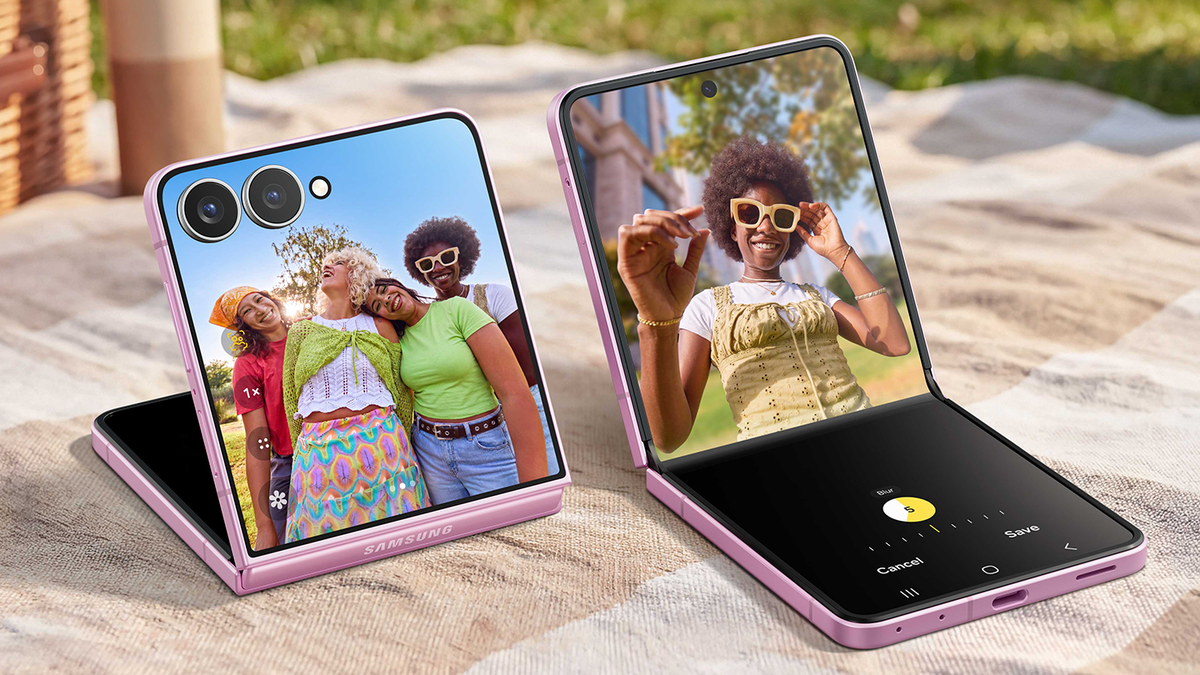
Moving down the line, the Galaxy Z Flip 8 is perhaps the most conservative update of the bunch. If you are currently using a Flip 7, you likely won't feel an immediate need to upgrade unless you are particularly enamoured with the new AI features. The physical changes are minor, focusing on making it even sleeker and lighter at 180g. The real work is happening on the FlexWindow. Samsung has integrated more “agentic" AI here, meaning the cover screen is much smarter at showing you what you need before you even unfold the phone.
The 50MP camera is also a nice touch, making those half-folded selfies look significantly better than previous generations.
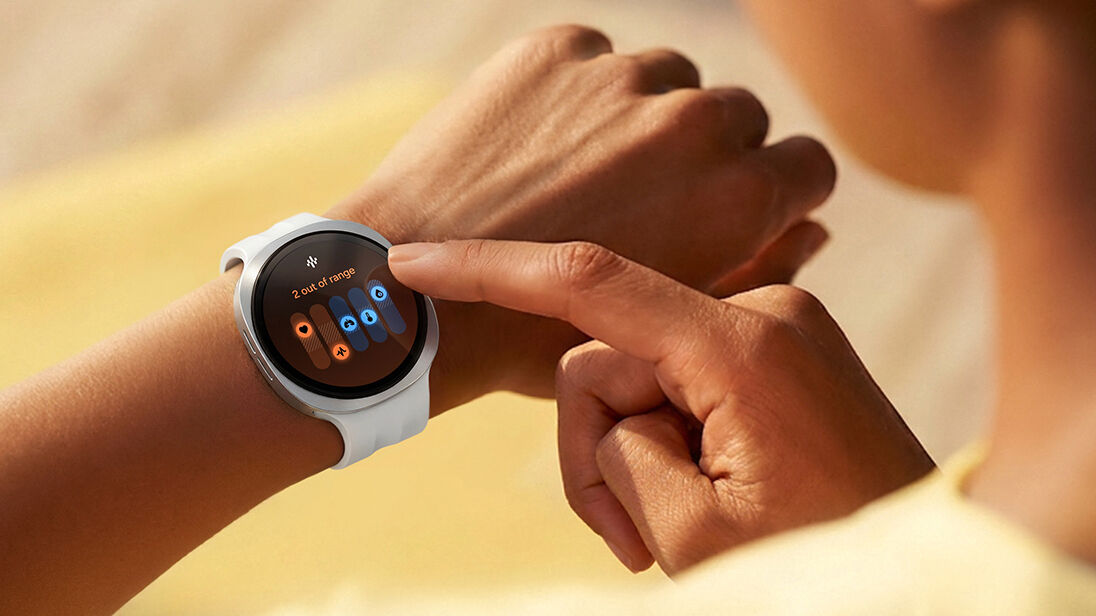
The wearable segment provided some of the most interesting discussions of the day. The Galaxy Watch 9 is a very competent, if somewhat iterative, health companion. It focuses on comfort and the ability to wear it 24/7 for sleep tracking and activity monitoring. The aluminium casing feels much more refined on the wrist, and the software updates focus heavily on making health data actionable. It isn't going to turn heads with its design, but it does exactly what it promises: it tracks your wellness without being an intrusive presence.
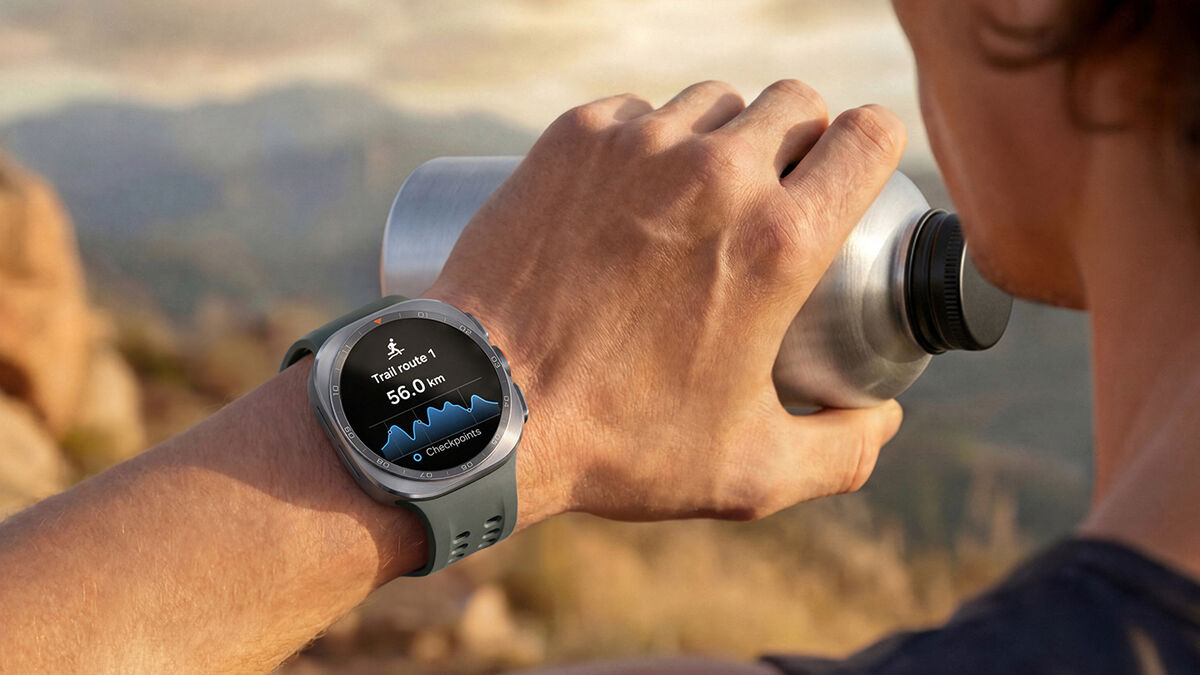
The real star of the wearable show, however, was the Galaxy Watch Ultra 2. This is a device built for people who actually push their bodies to the limit. It's rugged, beautiful, and unapologetically tough. The hardware is impressive, particularly the massive 800mAh battery, which is a significant jump from the previous Ultra model. For anyone who goes on long treks or spends hours tracking intense workouts, that extra capacity is vital.
At 5,000 nits, it's incredibly bright. I tested it under the harsh overhead lights of the event hall and noticed how easy it was to read, even when looking at the screen from an angle. For an outdoor athlete running in direct midday sun, this level of visibility is a game for life.
It has new diving capabilities developed in partnership with Mares. The ability to track depth and water temperature directly on your wrist makes it a legitimate tool for divers. While there is some debate about whether a smartwatch can truly replace dedicated dive computers, this is a massive step in that direction.
Underpinning all of these devices is the new Galaxy AI ecosystem. Samsung is clearly trying to move away from AI as a gimmick and toward AI as an assistant. Features like Now Nudge and the improved integration with Gemini Intelligence are designed to help you move through tasks more quickly.
There is, however, a risk in Samsung's new strategy of variety. By offering three different foldables, they run the risk of overwhelming the consumer. There is a complexity to this lineup that might lead to choice paralysis. When you walk into a shop, you are no longer just looking for a foldable; you are deciding between a lightweight daily driver, a heavy-duty productivity beast, or a stylishly compact accessory.
Samsung has spent eight generations establishing the foundation of the foldable market, and they are now using that foundation to attempt total market saturation. They are no longer just competing with other foldable manufacturers; they are trying to compete with every type of smartphone and wearable imaginable.
The new Galaxy Z series and Galaxy Watch lineup are available for pre-order starting today, with general availability beginning on August 7.
256GB: €2,259, 512GB: €2,459 and 1TB: €2,869
256GB: €2,049, 512GB: €2,249 and 1TB: €2,659
256GB: €1,339 and 512GB: €1,539
47mm LTE: €749
40mm BT: €409.00, 40mm LTE: €459.00, 44mm BT: €439.00 and 44mm LTE: €489.00
CONNECT WITH US TODAY



Be the first to know the latest news and updates