Nothing Phone 4a review: A bold redesign, sharper display and a periscope camera that punches above its price
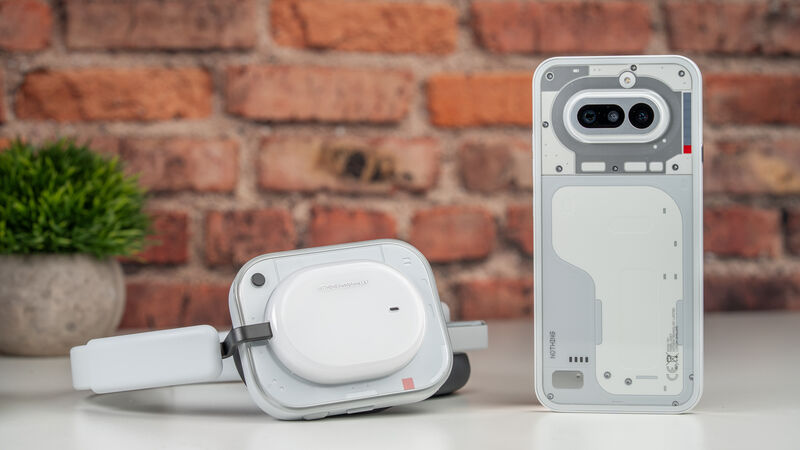
A cleaner rear layout and new metal camera housing give the Phone 4a a more premium look. Picture: Noel Campion.
I’ve been using the Nothing Phone 4a for the last few weeks, and it’s one of those devices that slowly wins you over. On specs alone, it doesn’t look like a huge leap from the 3a, but in real-world use, the changes become apparent.
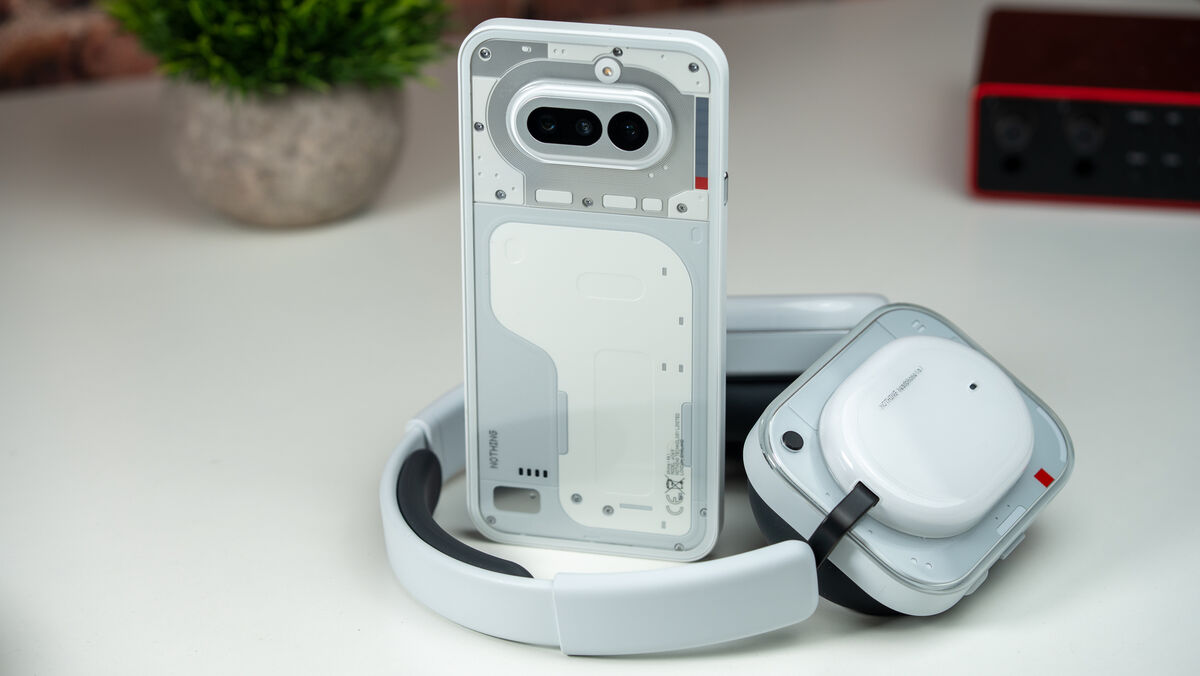
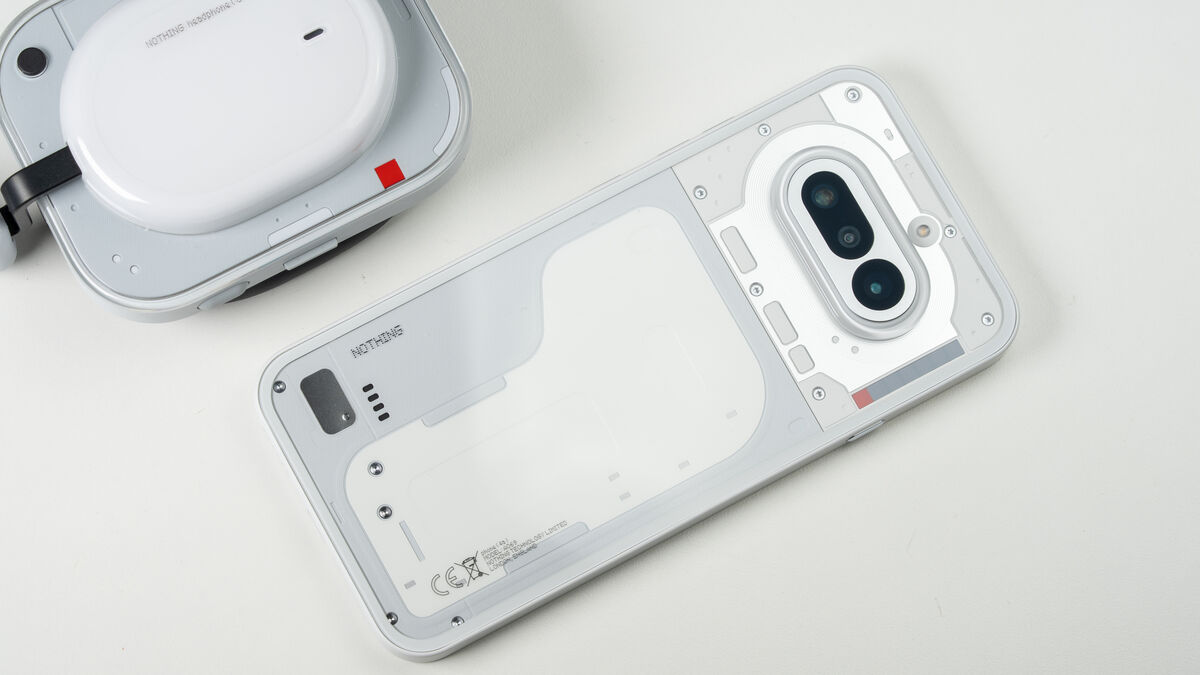
The Phone 4a is stylistically Nothing, but they redesigned the back panel.
The familiar Glyph lighting is gone in its previous form, replaced by what Nothing is calling a Glyph Bar. It’s made up of a rectangle of 63 mini-LEDs in seven squares, and it’s far brighter than before. It works great as a countdown timer for taking photos, a visual cue for volume levels, and even as a progress indicator in supported apps. Notifications are impossible to miss, which is kind of the point. It’s a more focused, less gimmicky take on what Nothing has been trying to do all along.
The rest of the rear design has also been refined. There’s a new metal camera housing that gives the phone a more premium feel, and I love the visible screws.
The dimensions haven’t shifted much from the 3a, but the slightly curved edges make it a touch more comfortable to hold and use. It’s still a plastic frame and back, which might disappoint some, but it keeps the weight down and hasn’t caused any issues in daily use.
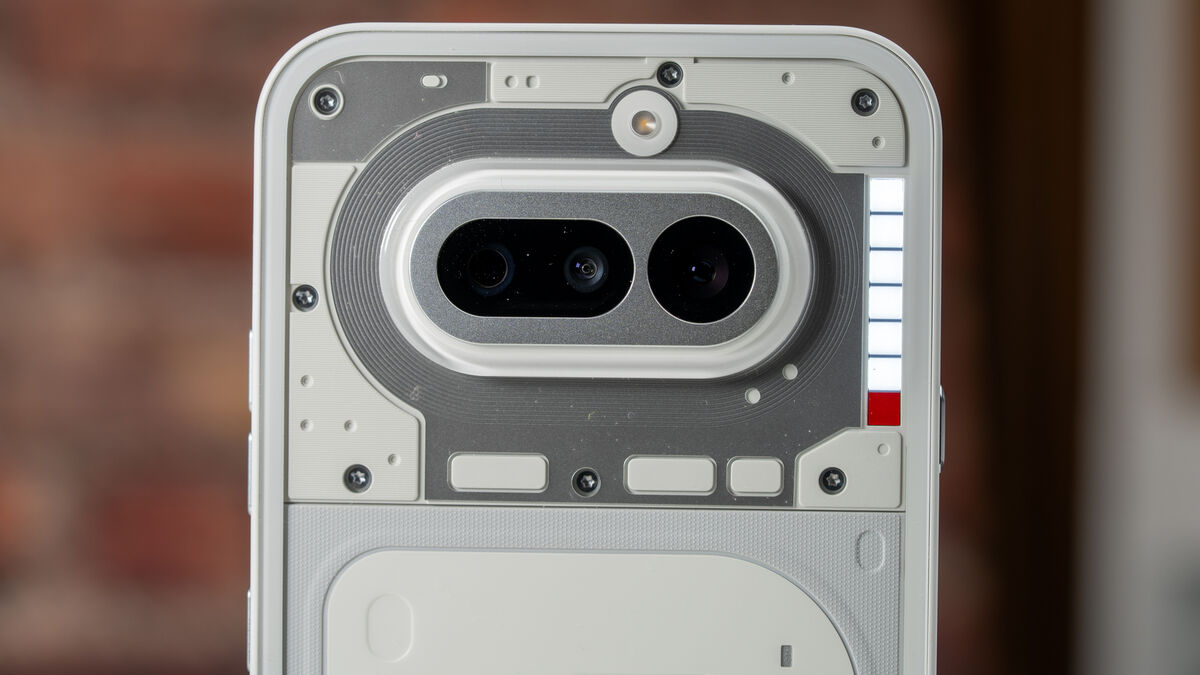
Durability has been improved with Gorilla Glass 7i on the front, and the IP64 rating also remains, with the phone capable of handling splashes and brief submersion without any drama.
Buttons are better placed this time around. The power and volume keys sit together, while the Essential Key is separated, which avoids the confusion I had on the previous model.
Stereo speakers have also seen a slight improvement, with a bit more depth in the sound.
It’s not something you always get these days, so the included transparent TPU case and pre-installed screen protector are very welcome additions.
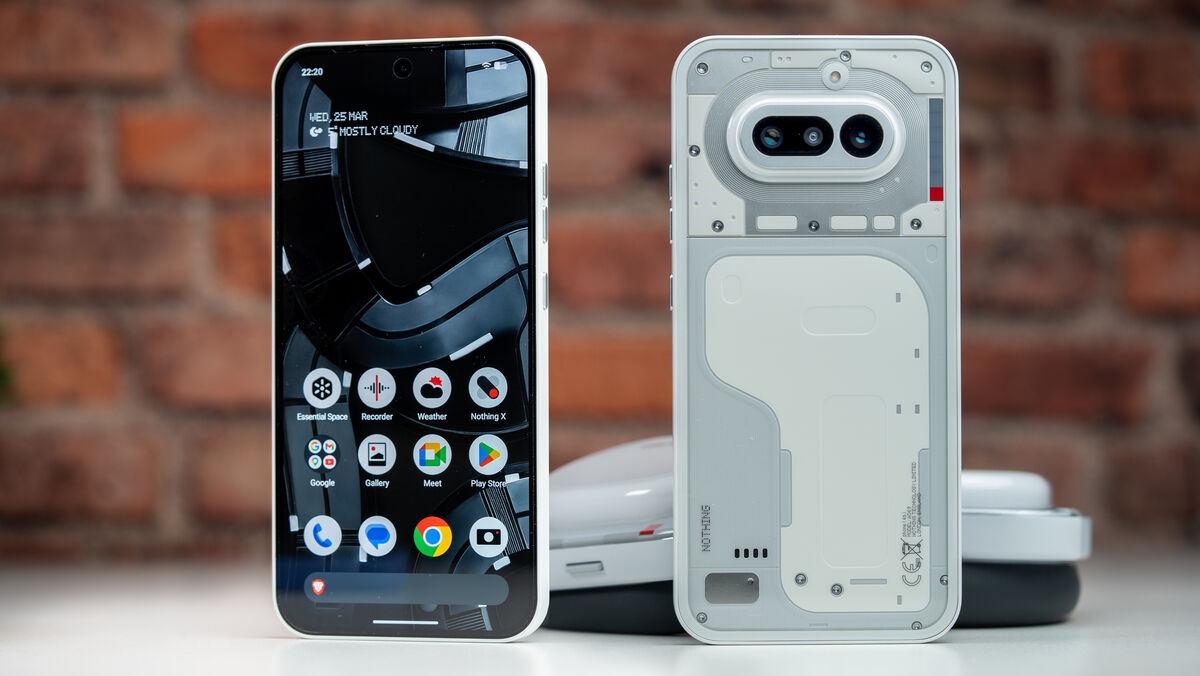
The display is one of the more obvious upgrades. It’s a gorgeous 6.78-inch OLED panel, and now you’re getting a sharper 1.5K resolution instead of the standard 1080p. It’s immediately noticeable when you put it side by side with the older model.
It’s a 120Hz panel, and as expected, everything feels smooth and responsive. Scrolling through apps and switching between screens feels fluid.
Brightness has also been improved, which makes a difference outdoors. I had no trouble using it on bright days, and colours look punchy without tipping into oversaturation.
Bezels are still present, but they’re consistent all the way around, which oddly makes them easier to ignore.
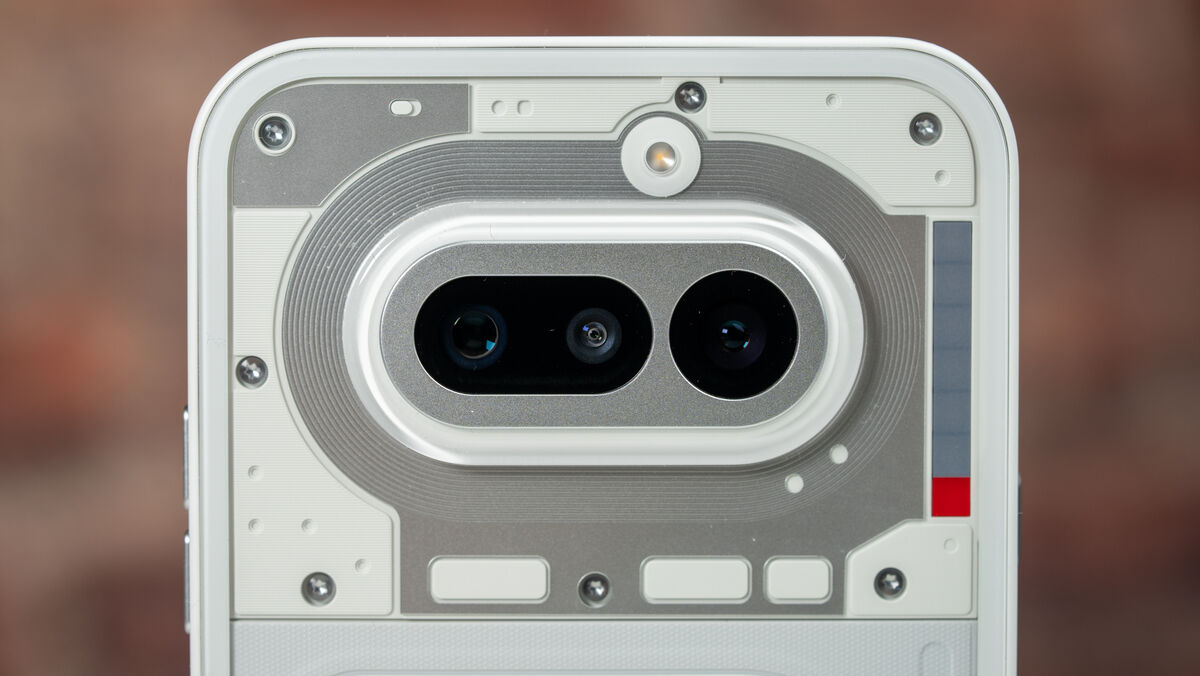
The rear camera system has a 50MP main and 8MP ultra-wide sensor that remain largely the same as the 3a, but there’s now a new periscope lens. This is a 50MP 3.5x optical zoom, and it’s easily the most impressive new feature of the Phone 4a. I took a lot of shots with it, and the results were consistently impressive.
Even pushing to higher zoom levels, the images held together better than I expected. It’s rare to see this level of zoom performance at this price, and it adds versatility to the camera system.
The 32MP front camera captures excellent stills and video, with good colour accuracy and plenty of detail. Skin tones look natural in most lighting conditions and hold up well for video calls and social content without appearing overly processed.
Video performance is solid, with good stabilisation and reliable results in daylight. Low-light video is usable, but not particularly excellent. Also worth noting is that video capture tops out at 4K at 30fps, which is likely a limitation of the mid-range processor. Another small gripe is processing time. After taking a photo, there’s a slight delay before it’s fully rendered.
Under the hood, the storage has been upgraded to UFS 3.1, which makes a real difference in everyday use, from app loading times to file transfers. Storage options include 128GB with 8GB of RAM, 256GB with 8GB of RAM, or 256GB with 12GB of RAM.
The 4a is powered by Snapdragon 7s Gen 4, and general performance is excellent. Apps open quickly, multitasking is smooth, and I didn’t run into any crashes or slowdowns during my time with the phone. That said, it lags behind the power and speed of flagship models, noticeable only in heavy multitasking, high-end gaming, professional-grade photo and video editing, and AI-intensive tasks.
The 5,080mAh battery has been reliable throughout my time with the Phone 4a. It can comfortably last a full day of moderate use, but it is not class-leading, especially at this price, where some rivals use higher-capacity silicon-carbon batteries.
Charging is reasonably quick too, with 50W support getting the phone from empty to full in about an hour.
There’s no wireless charging, which might be a sticking point for some, but it’s not a dealbreaker at this price.
Nothing OS 4.1 is excellent and is one of the cleaner Android 16 experiences around. It feels lightweight, responsive and refreshingly free of unnecessary clutter.
The overall experience feels cohesive, and more importantly, stable. I didn’t encounter any bugs or odd behaviour, which isn’t always a given in this segment.
Software support includes three years of Android updates and six years of security patches.
The Nothing Phone 4a isn’t a radical leap, but it gets the important things right. With a distinctive design, excellent zoom camera and dependable performance, it’s a decent upgrade that feels more complete than its predecessor.
Prices start at €379 ie.nothing.tech
CONNECT WITH US TODAY



Be the first to know the latest news and updates