Galaxy Z Fold 7 review: Samsung’s foldable flagship finally hits its stride

The new Galaxy Z Fold 7 is Samsung's lightnest and thinnest foldable yet. Picture: Noel Campion.
Unlike previous iterations, which often felt more evolutionary than revolutionary, this time Samsung has made significant design changes that move the series forward. The Galaxy Z Fold 7 is not just a minor refresh; it’s a sleeker, lighter, and smarter device packed with flagship hardware and cutting-edge AI software.
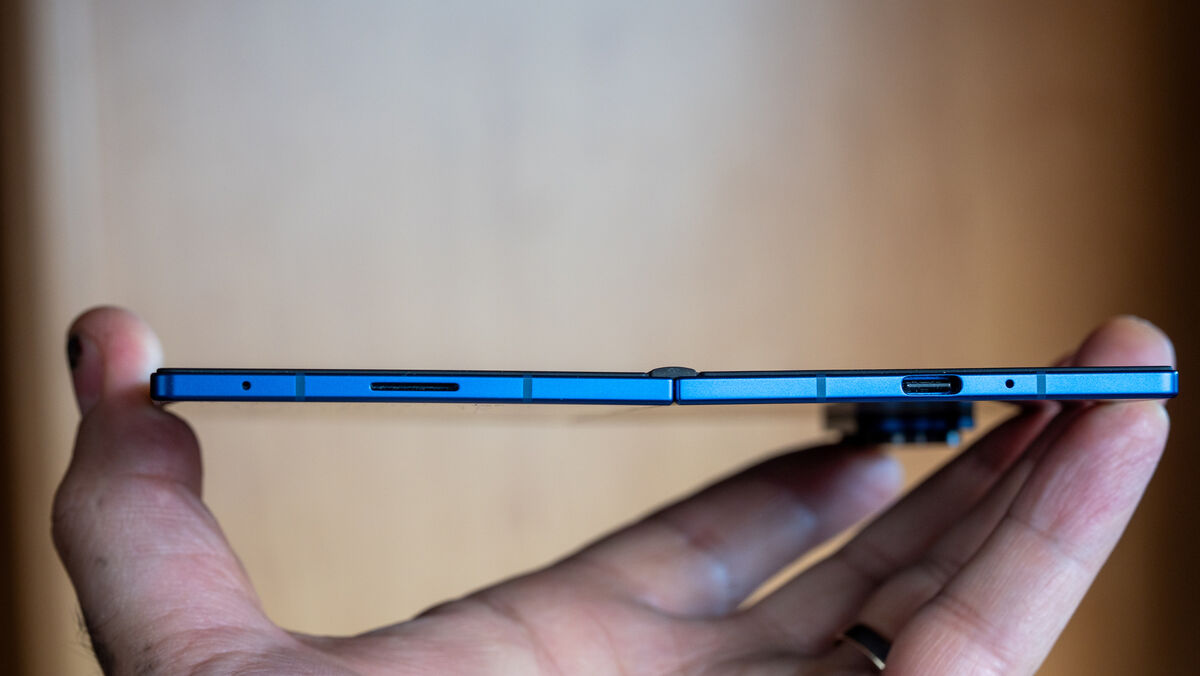
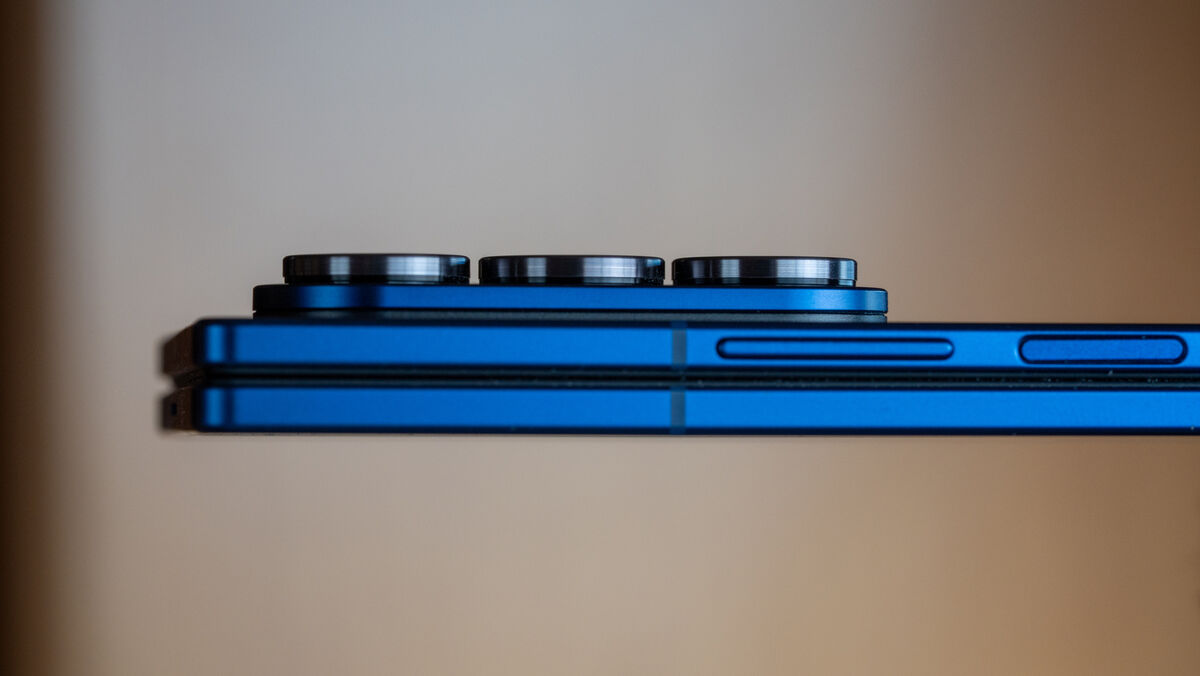
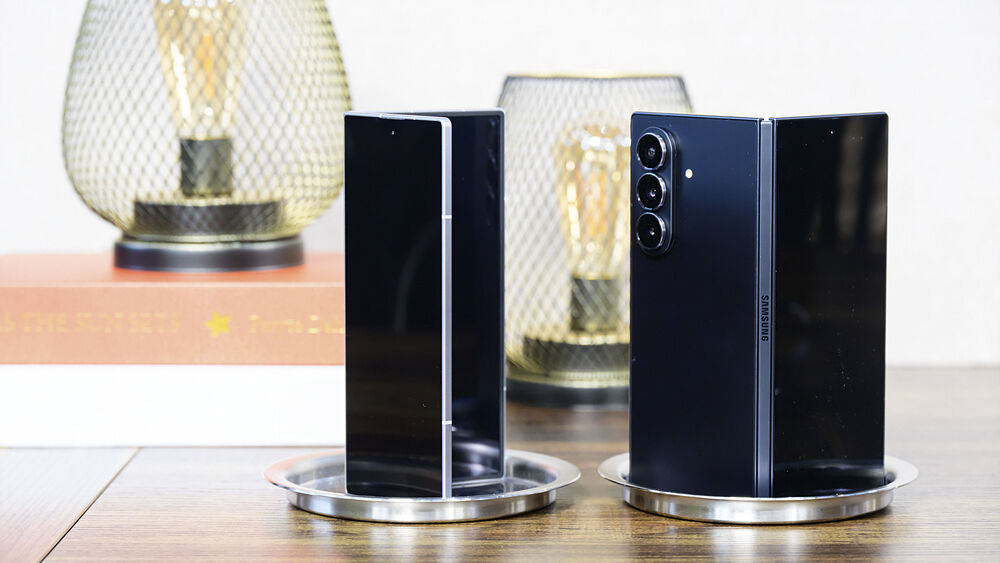
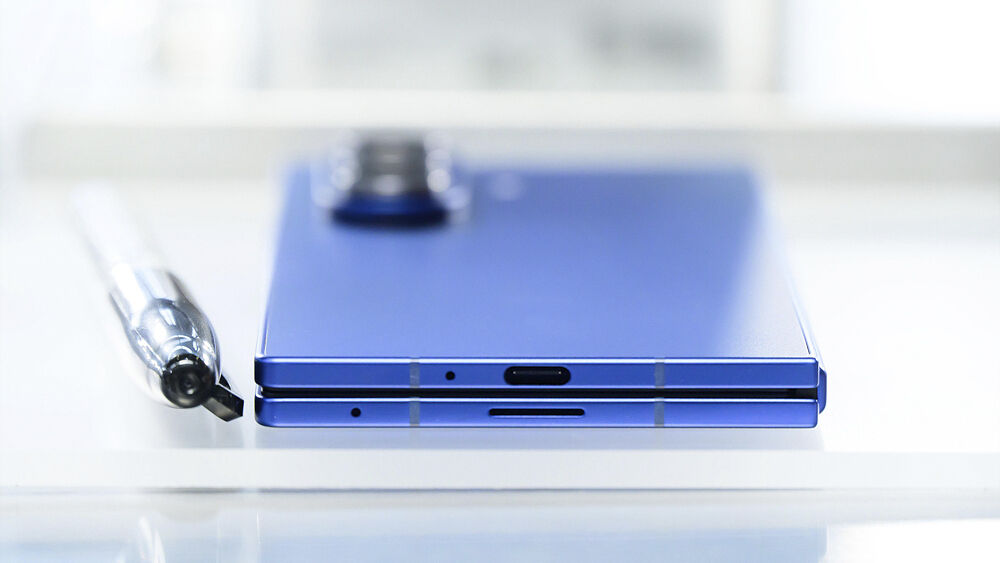
The Z Fold 7 is the thinnest and lightest Z Fold yet. At just 8.9mm when folded and 4.2mm unfolded, it feels more like a regular flagship in the hand, which is something its predecessors never quite achieved. While the thinness is a welcome improvement, the camera bump is hard to ignore, especially given how slim the rest of the phone is. The contrast makes the bump feel even more pronounced. If you’re someone who likes to use your phone flat on a desk, the Z Fold 7 might frustrate you, as the uneven bump causes a noticeable wobble.
The Z Fold 7 has significantly reduced the size of the crease. For me, it’s less about seeing the crease and more about feeling it, and with the new display, it’s now barely noticeable.
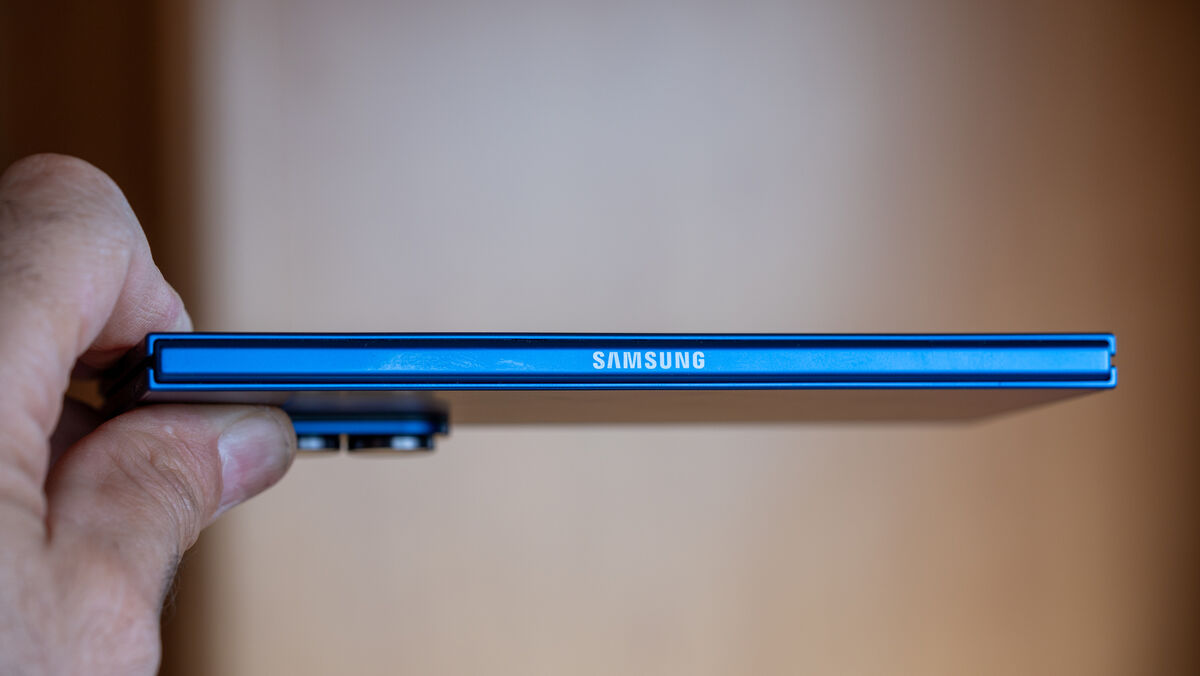
Samsung’s advanced armour aluminium frame returns, offering rigidity without bulk. The rear panel is Gorilla Glass Victus 2, while the folding mechanism is built around a redesigned hinge that’s smaller, sturdier, and closes flush without any visible gap. It feels solid but smooth, exactly what you’d expect from a premium foldable in 2025.
Ingress protection is rated IP48, which means some dust protection and full water resistance, but the lack of IP68 still puts it a step behind traditional slabs.
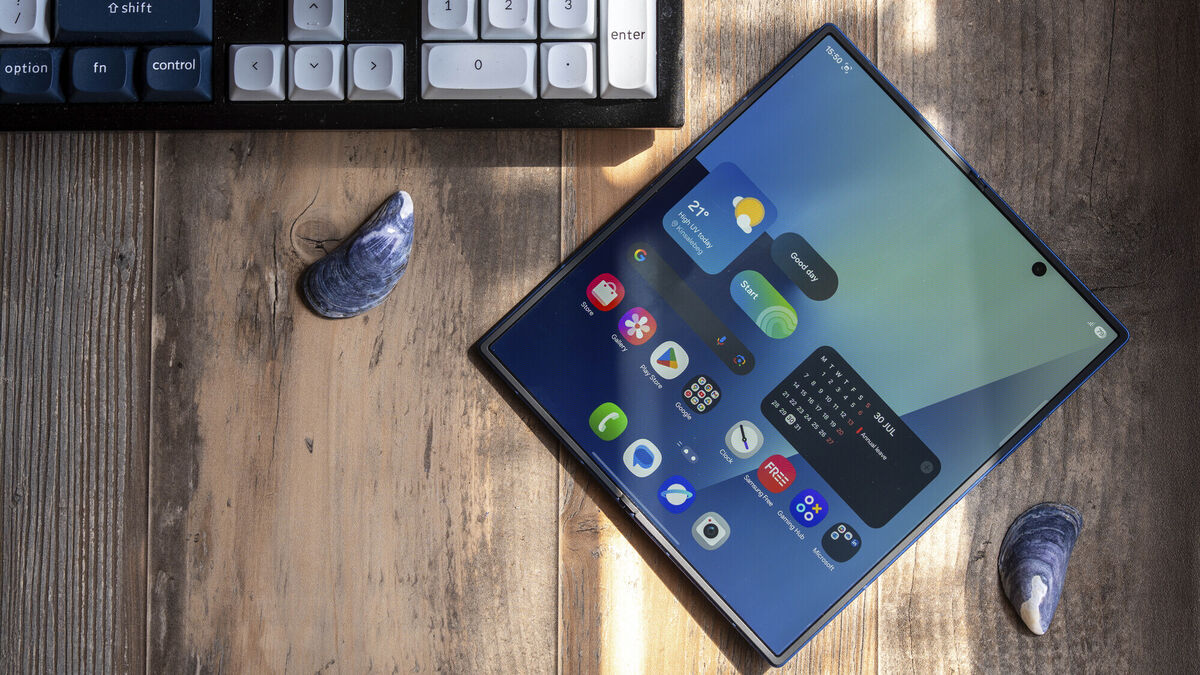
Samsung has stretched both displays this year. The inner screen now measures 8 inches and features a 120Hz adaptive OLED panel with a 2,400 x 2,200 resolution. It’s bright, sharp, and vivid, but not quite as bright as last year’s. Still, I had no problem seeing either screen outdoors, and I don’t think the step back on paper translates to the real world.
The under-display camera from previous models has been scrapped in favour of a regular 10MP sensor. It makes video calls and selfies far more usable, but the viewing experience is no longer distraction-free due to the punch hole.
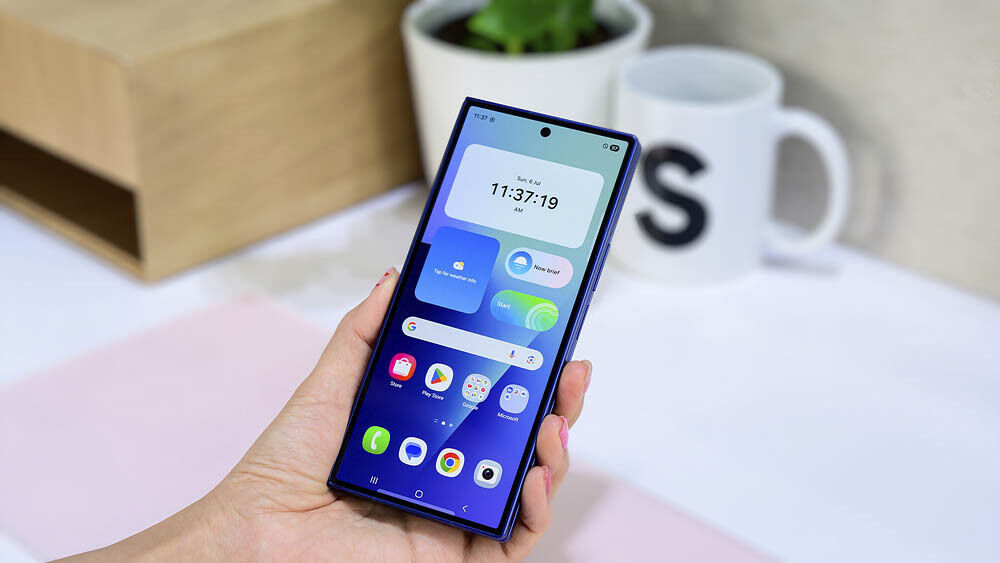
The outer screen also sees meaningful changes. It’s now a 6.5-inch OLED, also running at 120Hz with a wider 21:9 aspect ratio. It finally feels like a regular phone when closed, making it the first Samsung foldable I could genuinely see myself using as my primary handset.
However, S Pen support, which was previously available on the inner screen, has been removed. That’s a real loss for anyone who used the Fold as a productivity tool. While I loved the idea of the S-Pen, I rarely used it.
The camera system is arguably the most significant leap forward. The Z Fold 7 borrows the same 200MP main sensor from the Galaxy S25 Ultra, and the results speak for themselves. Images are razor sharp with impressive dynamic range and lifelike colour rendering. Samsung’s typically punchy tones have been dialled back in favour of a more natural look, and I really appreciate the subtle yet noticeable improvement in their colour science.
The 12MP ultrawide camera now includes autofocus, letting you take detailed close-ups and macro-style shots. It holds up well in low light, too, thanks to improved automatic night mode.
A 3x telephoto lens handles zooming duties and performs well in daylight, but the smaller sensor does struggle in low light or challenging conditions.
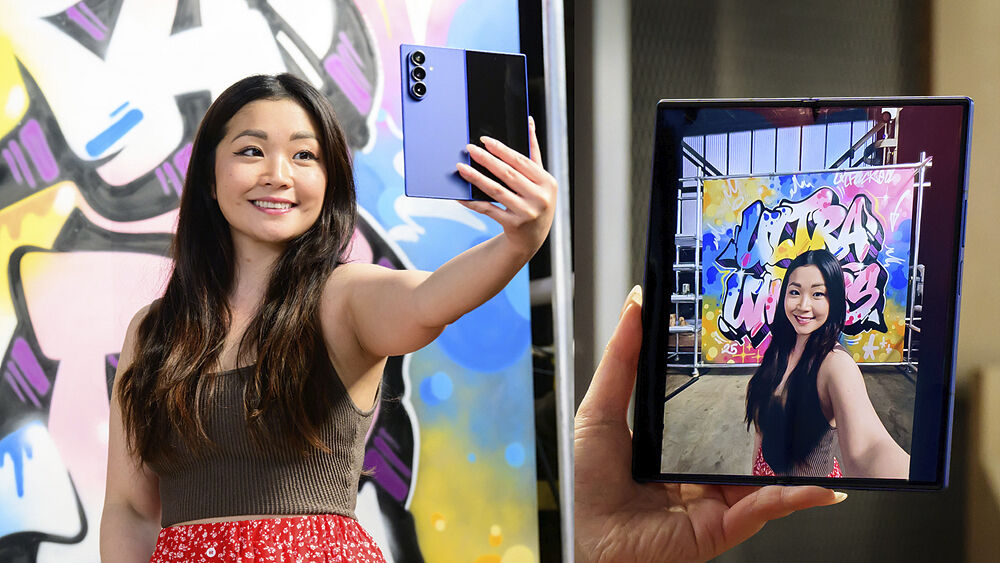
Selfies are a big win this year. You can shoot using the new 10MP inner camera, the cover screen’s 10MP camera, or the rear cameras with the cover display as a viewfinder. Naturally, the rear cameras deliver the best results, with detailed, vibrant images and natural depth.
Video recording is top-tier, supporting up to 8K at 30fps and 4K at 60fps across multiple lenses. Stabilisation is excellent, and the main camera delivers outstanding footage in both daylight and low-light settings.
Under the hood, the Z Fold 7 packs Qualcomm’s Snapdragon 8 Gen 3 “for Galaxy” chip, which is the same silicon found in Samsung’s S25 Ultra. Performance is excellent across the board. Whether you're gaming, multitasking, or diving into creative tasks, this chipset handles it all without stutter.
That said, stress testing revealed notable thermal throttling under sustained workloads. It’s nothing catastrophic, but performance does dip during extended gaming.
Storage options include 256GB, 512GB, and 1TB, though, once again, there’s no microSD card support.
The Z Fold 7 retains the same 4,400mAh battery as its predecessor, and as a result, battery life hasn’t seen any real improvement. This is one area where competitors like Honor have pulled ahead, managing to fit in larger-capacity batteries by adopting silicon-carbon battery technology.
Charging still tops out at 25W wired, and there’s no charger in the box. A full charge takes roughly 90 minutes. There’s also wireless and reverse wireless charging, which remains handy for accessories.
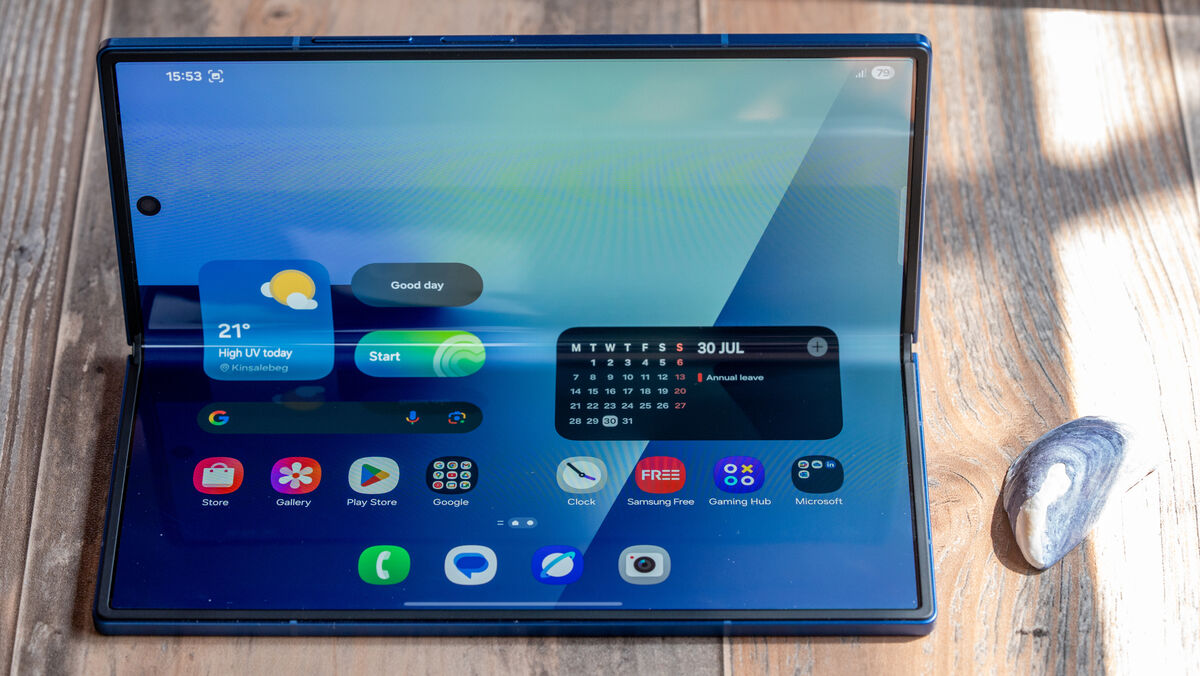
The Z Fold 7 ships with Android 16 and Samsung’s new One UI 8. It’s a minor visual update over One UI 7, but it brings smarter AI integration across the board.
Circle to Search now works within games, while Gemini Live can use your camera to interact with real-world items and apps simultaneously.
Multitasking is excellent thanks to the persistent taskbar, pop-up apps, and split-screen functionality. Samsung promises seven years of OS updates and security patches.
The Galaxy Z Fold 7 feels like the most refined and user-friendly Z Fold yet, and it’s the first one I will be sad to hand back to Samsung. Its lighter, thinner design makes it practical for daily use, while the camera upgrades and software intelligence bring it closer in line with Samsung’s top-tier flagships.
From €2,149 Samsung
CONNECT WITH US TODAY



Be the first to know the latest news and updates