Google Pixel 8a: A budget-friendly gem with high-end features
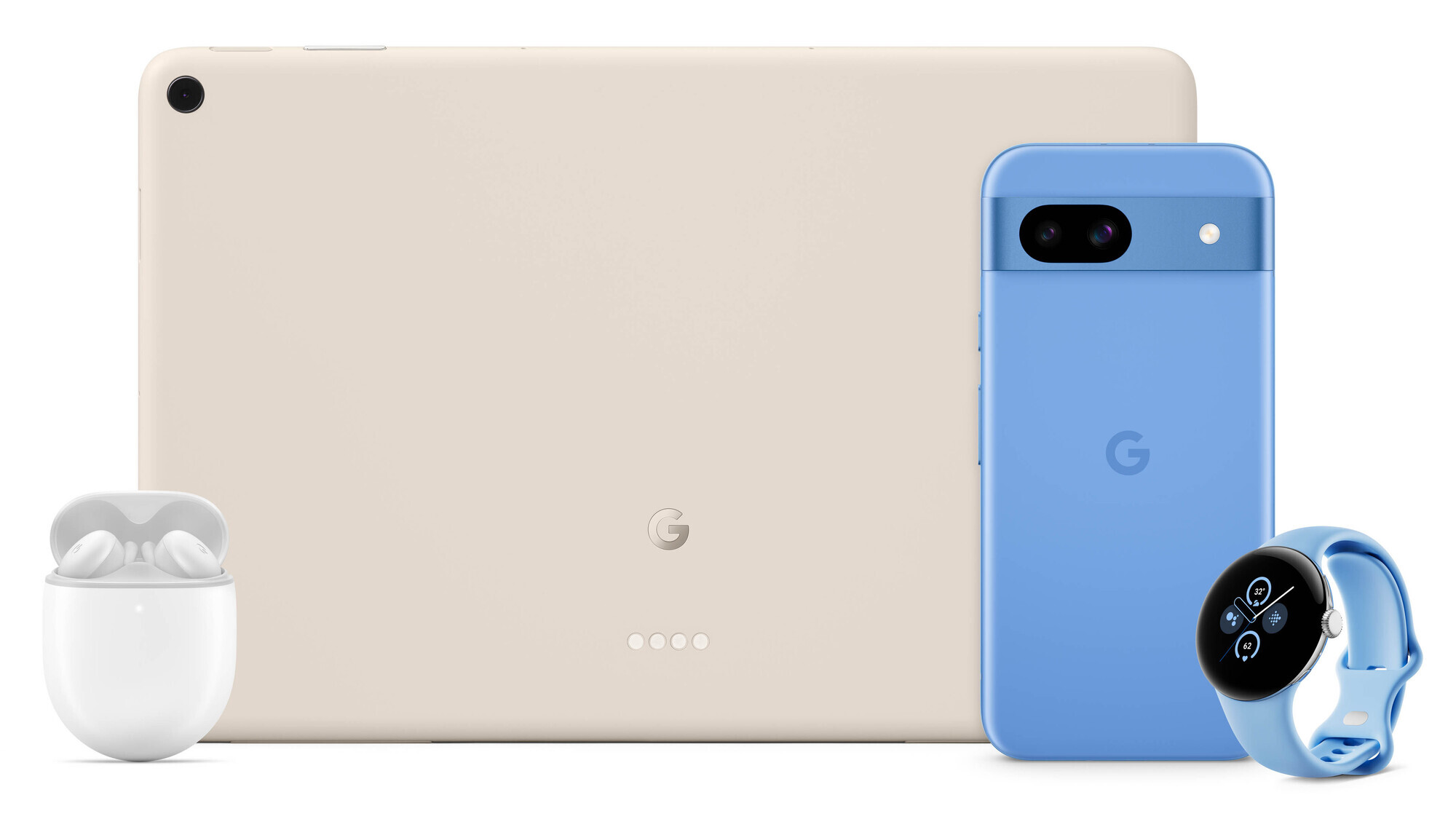
The Pixel 8a along with other Google devices in their portfolio. Picture: Google.
Google’s Pixel 8a is the latest addition to its mid-range smartphone lineup. It has many of the same features as its more expensive siblings.


With its rounded corners and matte finish, the Pixel 8a is sleek and modern. I found it comfortable to hold, thanks partly to the soft matte texture on the back, which offers a better grip than glossy finishes. Although made of plastic, the matte composite back is not cheap; instead, it gives the Pixel 8a a premium look and feel.
The Pixel 8a has IP67 dust and water resistance certification, a feature often reserved for higher-end models. It provides peace of mind, knowing that the phone can withstand accidental splashes and brief submersion in water.
The Pixel 8a’s design also includes Google’s signature camera visor on the back, housing the dual-camera system. On the front, the phone features a hole-punch cutout for the front-facing camera, maintaining a clean and modern look.
The 8a sports a 6.1-inch OLED display with vibrant colours and deep contrasts. OLED technology is known for its superior colour accuracy and contrast ratios, and the Pixel 8a’s display does not disappoint. Whether watching videos, browsing photos, or playing games, the display offers a rich and immersive experience.
The Pixel 8a nows has a variable 120Hz refresh rate, which is a noticeable improvement over the 90Hz refresh rate of its predecessor, the Pixel 7a.
Another impressive feature is the display’s peak brightness of 2,000 nits. Whether outdoors on a bright day or in a well-lit room, the Pixel 8a’s display is easy to read.
The large bezel around the screen is one giveaway that the 8a is a more affordable handset. While it doesn’t detract significantly from the overall experience, it does remind you that the Pixel 8a is a mid-range device. Competitors are increasingly pushing for bezel-less designs, and the Pixel 8a’s bezels make it stand out in comparison.
The Pixel 8a maintains the same camera setup as its predecessor, the Pixel 7a. While some view this as a missed opportunity for innovation, sticking with a proven formula pays off. The device features a dual-camera system on the back, consisting of a primary wide-angle lens, an ultra-wide lens, and a 13-megapixel front-facing camera.
The Pixel 8a's camera performance is excellent, producing stunning images with excellent detail and colour accuracy. Whether you’re capturing landscapes, portraits, or low-light scenes, the Pixel 8a delivers consistent results.
The ultra-wide lens adds versatility to the camera system, allowing you to capture a wider field of view without significant distortion. This is particularly useful for group photos or expansive landscapes.
The Pixel 8a performs well in video recording with up to 4K video quality, which is a step up from previous models, with improved stabilisation and clarity.Â

The Pixel 8a is powered by the Tensor G3 and Titan M2 processors, which deliver smooth and efficient performance. These in-house chips also power the flagship Pixel 8 and 8 Pro, bringing flagship-level performance to a mid-range device. The Tensor G3, in particular, has shown significant improvements in performance and efficiency compared to its predecessors, although there’s still a performance gap between these and the latest silicon from Qualcomm.
During my few weeks with the Pixel 8a, I found it easily handled everyday tasks. Whether I was browsing the web, streaming videos, or multitasking between apps, the phone performed without any noticeable lag. Even light gaming sessions were smooth, with no significant drops in performance or excessive heating.
The Titan M2 security chip adds an extra layer of protection, ensuring your data remains secure. This is part of Google’s broader emphasis on security and privacy.
Google’s AI features are integrated deeply into the operating system from voice recognition improvements to smarter photo editing tools.
The Pixel 8a has a slightly larger battery than the Pixel 7a, but the difference is not substantial. It’s important to note that I enabled the 120Hz refresh rate throughout my testing. While enhancing the user experience, this feature also consumes more battery. Google’s decision to have the higher refresh rate turned off by default will likely help conserve battery life for the average user.
For moderate users, the Pixel 8a’s battery life should suffice to get through a full day on a single charge. However, heavy users or those who frequently use power-intensive features might find themselves reaching for the charger by late afternoon. The phone supports fast charging, which helps mitigate this issue to some extent, but it’s an area where future iterations could improve.
The Pixel 8a comes with a promised seven years of software updates, which is remarkable in the Android ecosystem. This ensures that you will receive the latest features, security patches, and improvements for an extended period, making the Pixel 8a a sound investment.
Integrating Google’s AI features further enhances usability, offering intelligent suggestions and automated tasks that streamline daily activities.
The Google Pixel 8a offers good value for its price point, making it an attractive option for budget-conscious consumers. The camera hardware isn't the latest but Googles AI smarts and computation prowess more than makes up for this.Â
Google Pixel 8a from €559