Solar grant cuts to stall growth of last two years, ISEA warns
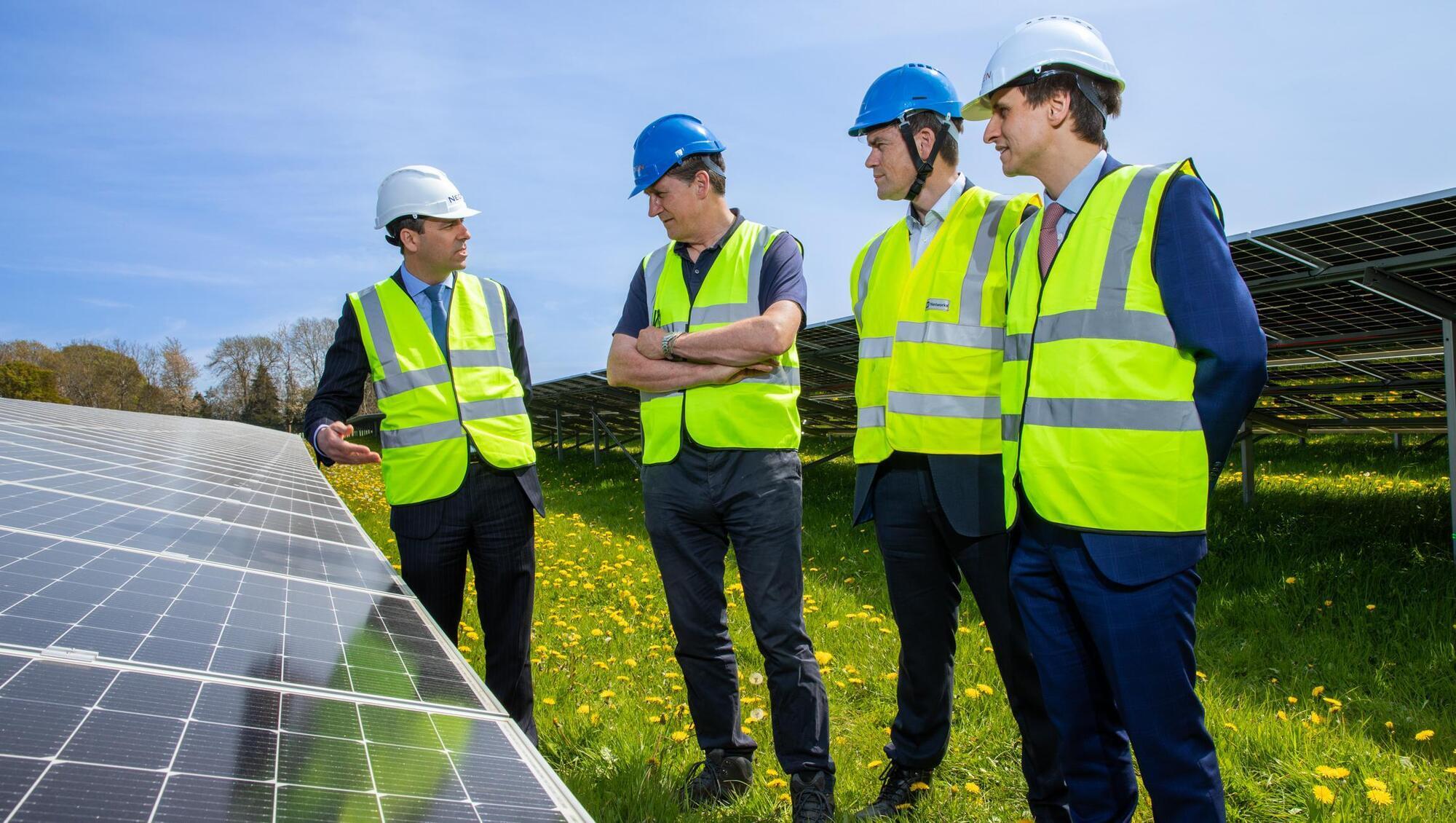
Christophe Desplats Redier, director of Neoen in Europe; Eamon Ryan, Minister for the Environment, Climate and Communications; Nicholas Tarrant, managing director of ESB Networks; and Cyril Perrin, managing director of Neoen in Ireland, at Millvale solar farm in Co Wicklow.
Solar energy is the darling of the renewable energy sector in the Republic and has experienced significant growth since the country’s first solar farm, Millvale solar farm near Ashford, in Co Wicklow, was connected to the national grid just two years ago.
One of the major drivers off this growth is that solar panel installations appeal to residential customers, in addition to business customers, through government initiatives and grants.
“Between 2022 and 2023 there has been an increase of 236% in the capacity of onsite solar, whether on rooftops or ground mounted,” said Conall Bolger, chief executive of the Irish Solar Energy Association (ISEA).
“Throughout 2023, 100 homes a week went solar. This is a great way for the Irish population to contribute to Ireland’s climate action while significantly reducing their energy costs,” he added.
There is currently more than 1 gigawatt (GW) of solar generation now in place on the grid.
This includes more than 400 megawatt (MW) of rooftop solar and nearly 600 MW of grid-scale solar connected.
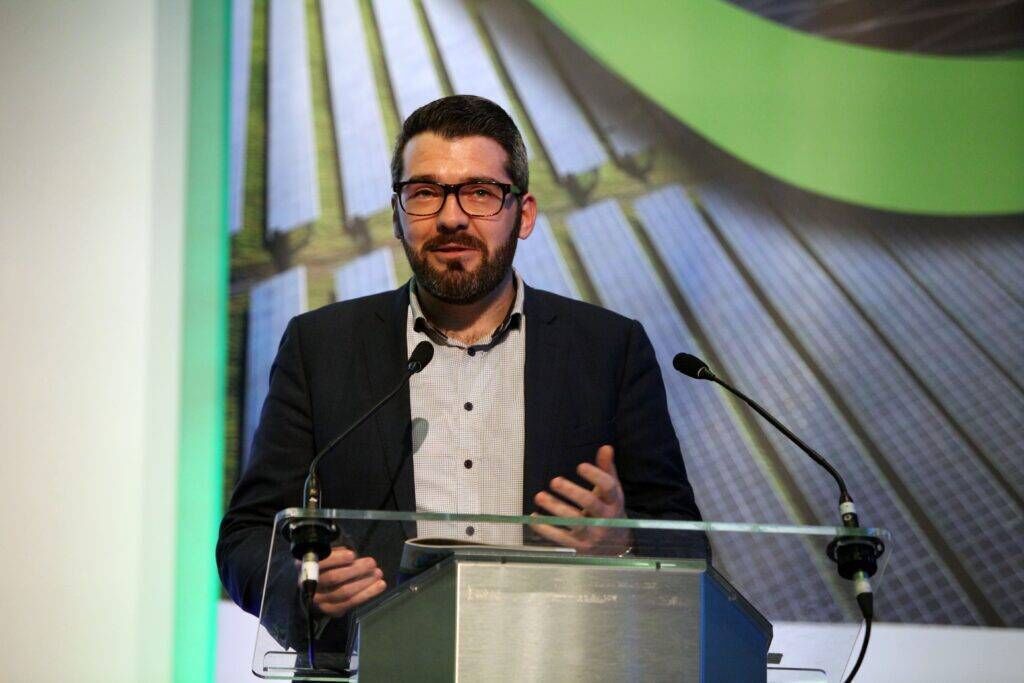
The renewable electricity support scheme, Ress, has “driven significant investment in solar energy in Ireland and has led to a major acceleration in the delivery of solar power to the grid over the past 24 months,” according to energy minister Eamon Ryan.
Ress has more than 2GW of solar projects contracted and due to deliver between 2024 and 2027, while further volumes are expected to connect under corporate power purchases in the same period.
“Further auction rounds, including Ress4 later this year, can be expected to see continued participation by solar,” said Mr Ryan.
In addition to Ress, the microgeneration support scheme and the small-scale renewable electricity support scheme has boosted delivery of rooftop and small-scale solar energy, including through the provision of grants to support rooftop solar at domestic and commercial level.
However, the solar power development in the Republic is not devoid of challenges.
Mr Bolger said moves by government to reduce the grants available for homes to invest in solar on a phased basis will hit the “exponential growth” of activity recorded in this area over the last two years.
From January 1 onwards, the maximum domestic grant amount available under a scheme controlled by Sustainability Energy Authority Ireland (SEAI), a statutory body, was reduced to €2,100. There has been no reduction in the Non-Domestic Microgen Scheme which is still scaling up rather than down.
The grant payments have been reduced year-on-year due to the falling cost of solar energy technology.
“ISEA believes this is counterintuitive and we should be continuing to encourage investment in renewable energy in by individuals, businesses, and farmers,” said Mr Bolger.
Large-scale solar instalments have gained popularity among farmers, especially sheep farmers, in recent years as their livestock can graze under panels, giving the land a dual use.
Access to the electricity network “in a timely and cost-effective manner” also remains a significant hurdle, according to Mr Bolger.
“The construction of a solar farm is a significant investment, and the industry requires a degree of confidence and certainty before any project can get off the ground,” he said.
Many in the industry have called for significant investment into the grid if the Republic is ever going to win the confidence of renewable energy developers.
“We need to change how we operate that system so that we maximise our ability to use the green energy generated from solar around the country,” said Mr Bolger.
The government has a delivery target of 8GW of solar by the end of the decade. This is a “hugely ambitious target”, according to Mr Bolger, but he’s optimistic that it’s also an achievable one.
“There is a pipeline of projects capable of reaching this target,” he said.
Between solar projects that have already connected and those working through the system there are approximately 2,700 commercial and industrial solar projects in Ireland.
“There is a pipeline of over 10GW of a utility scale solar projects currently being planned,” Mr Bolger said.
In addition, a study by MaREI, the Science Foundation Ireland Research Centre for energy, climate, marine research and innovation co-ordinated by the Environmental Research Institute (ERI) at UCC, estimated that 1 million Irish domestic rooftops were suitable for solar panels.
“If we deliver on this potential, we could be one of the top solar markets in the world in relative terms,” Mr Bolger said.
“This decade, in megawatt terms, it is likely to add the greatest volume of onshore renewable capacity to our system of any technology. From being a technology of potential, it is now a core part of Ireland's decarbonisation toolkit,” said Mr Bolger.
Meanwhile, progress has been made this year to fuel further growth in the solar power space.
State-owned electricity company ESB awarded its first utility-scale solar farm project in Ireland at the start of this year.
The contract was awarded to Greencells for the Bullstown Solar Farm is located near Ashbourne, Co Meath and the project is the first of a series of utility-scale solar farms being constructed by the ESB.
This initial phase of projects represents a total investment of almost €200m.
"Ireland is a focus market for Greencells with the construction of six solar farms currently underway in the country. Bullstown Solar Farm is our first project with ESB and we look forward to delivering this important kick-off project for its wider solar portfolio,” said Ric Hallikeri, general manager EMEA at Greencells.
The construction phase of the €13m project is scheduled to commence in early 2024 and once complete, the solar farm will generate 8.5MW of clean electricity which will provide enough capacity to power over 2,000 homes.
“Solar provides an excellent opportunity for landowners and local communities to benefit from the clean energy transition. Projects like this one will help to reduce our dependency on imported fossil fuels whilst also contributing to decarbonising our electrical network,” said Eoin Naughton, solar development manager at ESB at the time.
A report by the SEAI highlighted that 2023 was a positive year for home energy upgrades, with clear evidence of continued momentum both in supply and demand, however this was achieved against a challenging backdrop.
The SEAI’s National Retrofit Plan report for 2023 found that interest rate increases implemented to drive down sticky inflation “undoubtedly impacted” on available funds in household budgets to invest in areas like retrofitting.
Experts predict that the European Central Bank (ECB) will announce at least one interest rate reduction before the regulator breaks for the summer in August, which may provide some households with extra cash to invest in green energy.
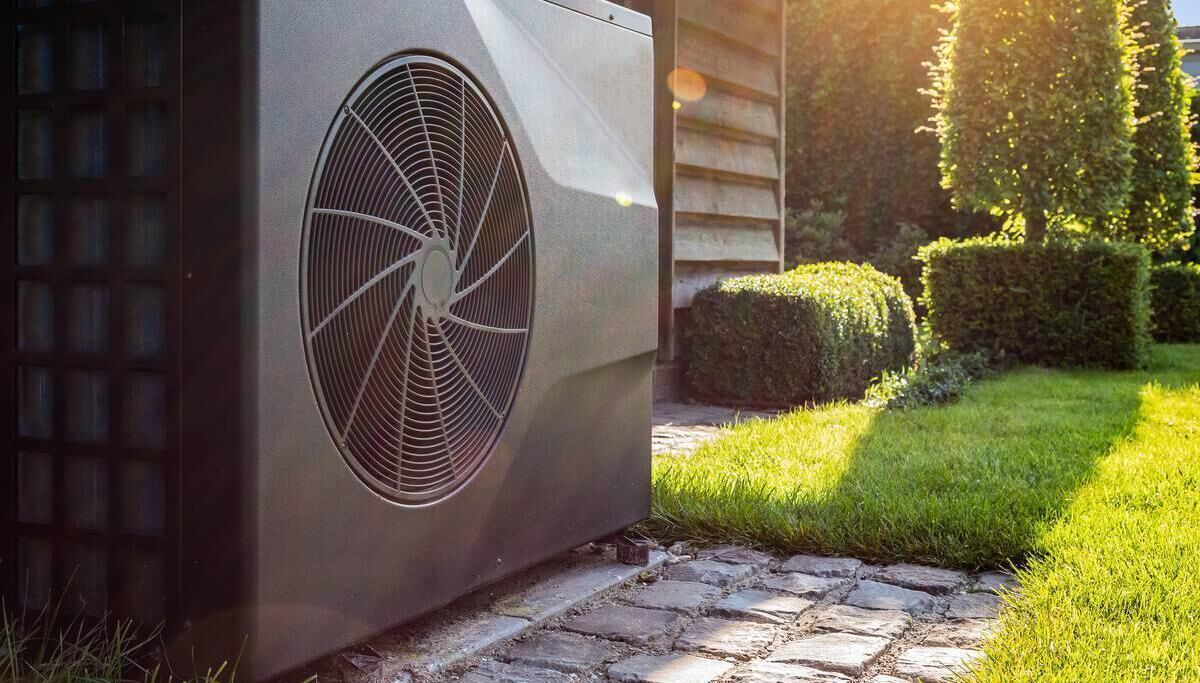
Meanwhile, the SEAI said it is seeing increasing popularity in heat pumps which consumer electricity and are often installed in homes with solar panels.
When a home uses both a heat pump and solar power, the property can be heated mostly using renewable energy.
In 2023, around 95% of all new homes were built with electrical heating installed. This means that people are more likely to have used a heat pump.
These experiences are bolstered by around 4,000 retrofit installations of heat pumps, a number that is expected to increase significantly in 2024.
Last year, the SEAI recorded over 47,900 home energy upgrades, up 76% year on year, and almost 5,900 fully funded energy upgrades for low-income households, up 33% year on year.
CONNECT WITH US TODAY



Be the first to know the latest news and updates