Google Pixel 6 Review: A major leap forward in hardware and software
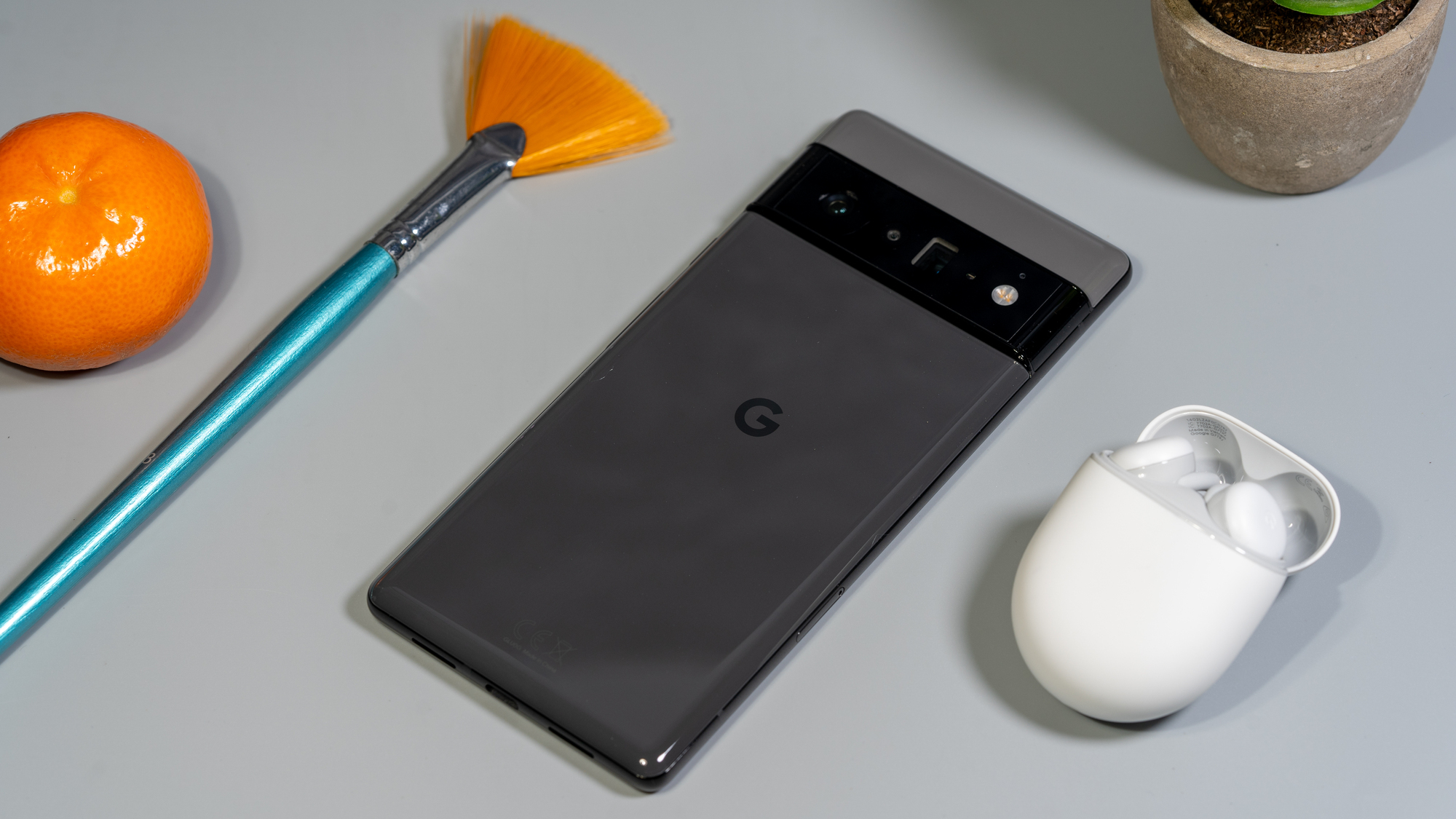
Google Pixel 6 Pro. Pic: Noel Campion.
The new Google Pixel 6 and 6 Pro are the company's first attempt at making a high-end phone in quite a few years. While flagship smartphones will get many excited, others will lament Google’s decision to go premium with larger and more expensive handsets.
The Pixel 6 and 6 Pro are also the first Google phones to come with their custom Tensor chip with new AI and machine learning hardware baked in. Like Apple, Google now designed both the hardware and software in their handsets which gives them greater control over the synergy between the two.
The other major overhaul this year comes in the cameras. After years of Google sticking with the same hardware and just improving computational photography, we now get larger sensors and more cameras.
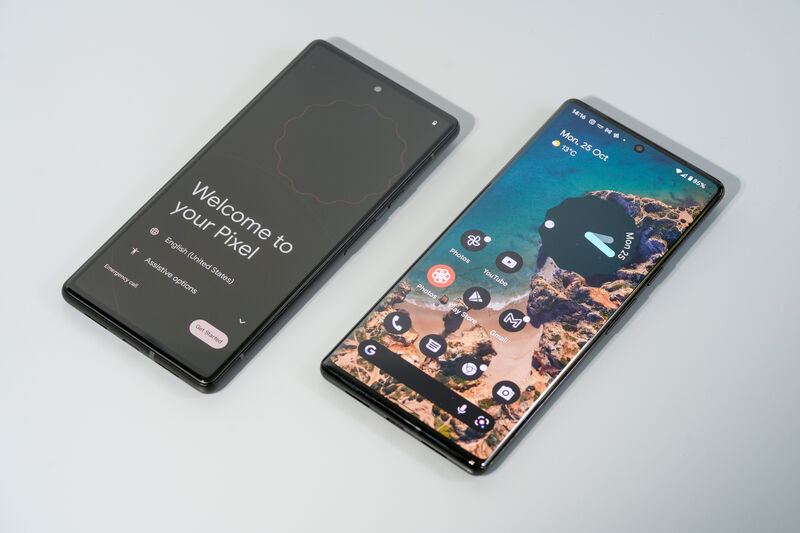
Both the Pixel 6 and 6 Pro are large phones with big screens. if you're coming from Pixel 4 the new phones will feel enormous. That being said, the Pixel 3 XL is very similar in size to the Pixel 6 and the Pixel 4a (5G) isn’t much smaller.
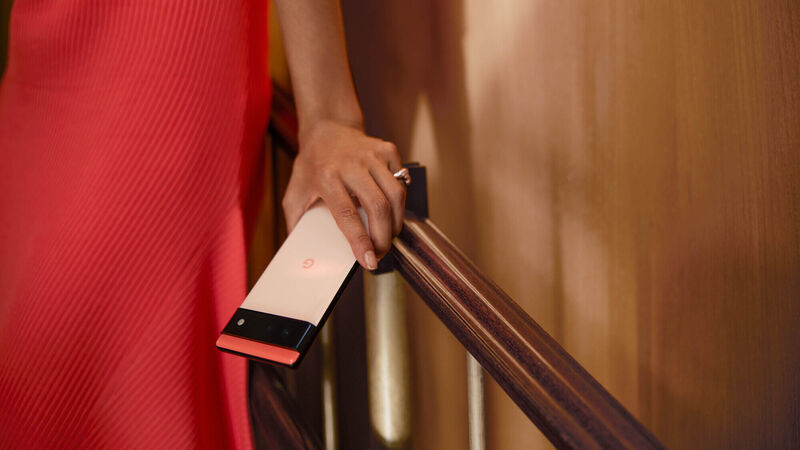
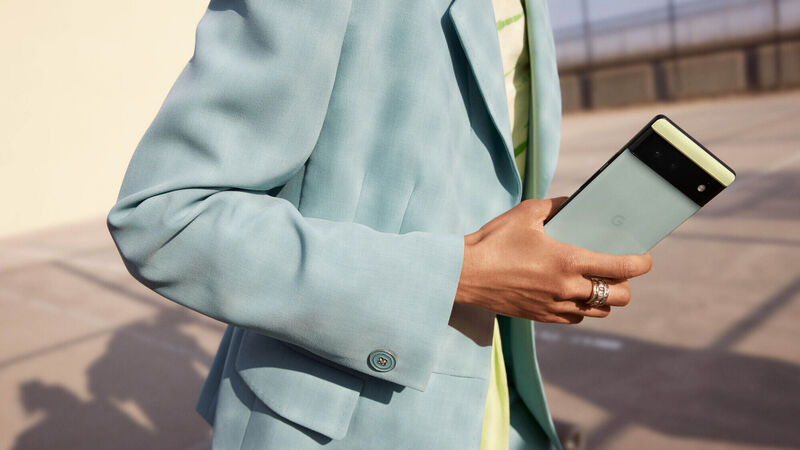
One of the most distinguishing features of the new Pixels is the massive bar on the rear that houses these new camera sensors. While not insignificant in size, the design does mean the phone won’t rock when you use it on a flat surface. Camera bumps, in general, have never bothered me. I am more interested in the quality of the photos than how big the camera bump is.
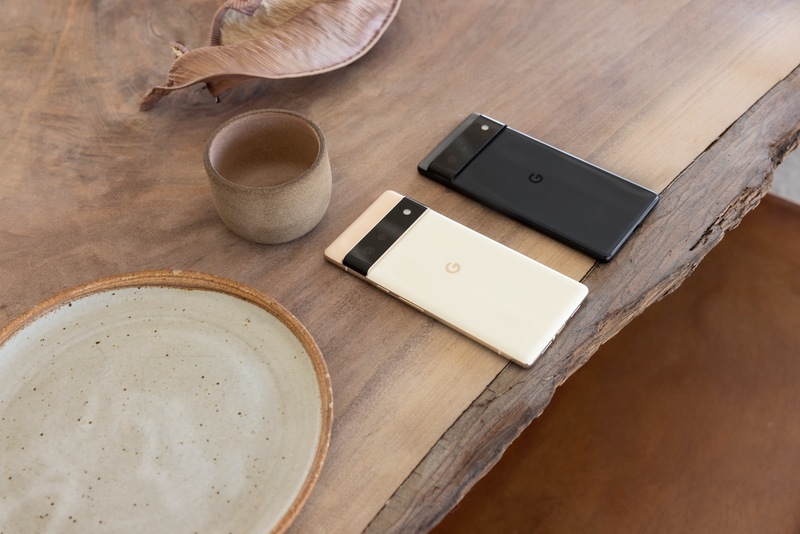
The new design does have some practical benefits by acting as a means of preventing the slippery as soap Pixel 6 from slipping out of your hands. It makes using these large phones easier one-handed too.
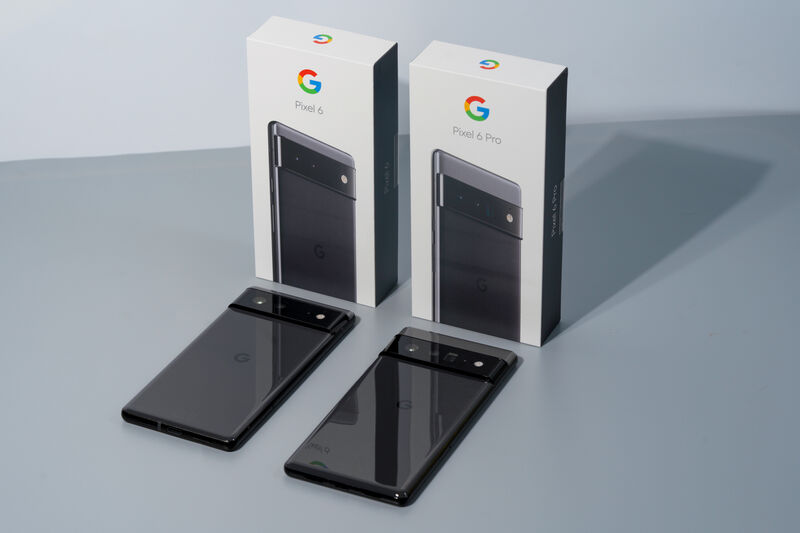
Gone is the colour power button which is now just black and colour options for the Pro are Cloudy White, Sorta Sunny and Stormy Black. The non-Pro comes in Sorta Seafoam, Kinda Coral and Stormy Black. The cute colour names make more sense when you see them in person.
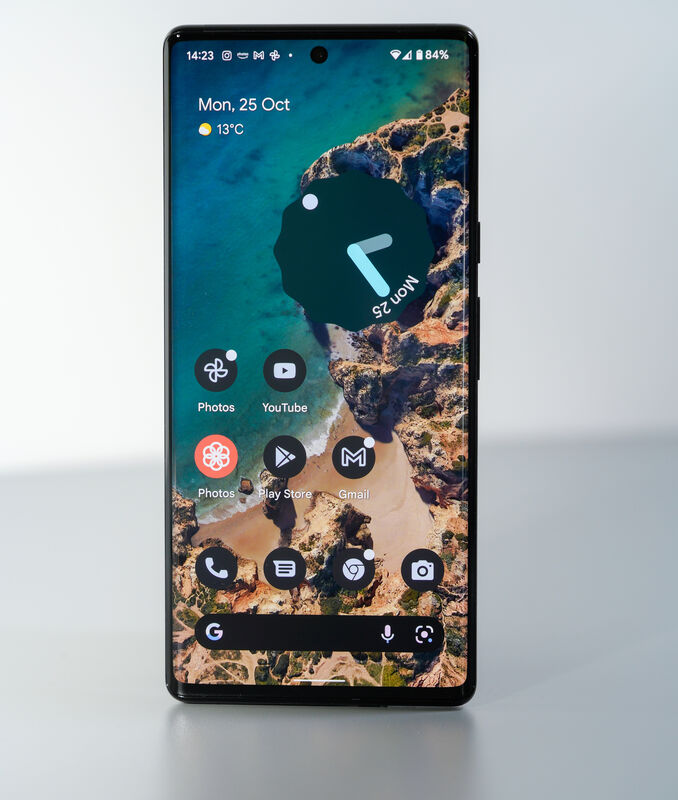
The new displays are excellent but perhaps not quite as good as the best from Apple or Samsung. Both are punchy with stunning colours and contrast but the Pixel 6 Pro has a 6.7-inch 1440 x 3120px panel and the Pixel 6 is a 6.4-inch 1080 x 2400px.
The Pixel 6 has a 90Hz refresh while the 6 Pro goes up to 120Hz. In real-world use, both feel super smooth but I could tell the slight difference in smoothness between the two. If you’re coming from an older Pixel that’s locked at 60Hz, you will notice the difference if you compared them directly but many people don’t in a blind test until you point it out.
The Pixel 6 Pro has curved sides which makes swiping from the left and right really nice and there’s hardly any bezels. On the downside, there’s a slight shadow along the edge but it’s barely noticeable.
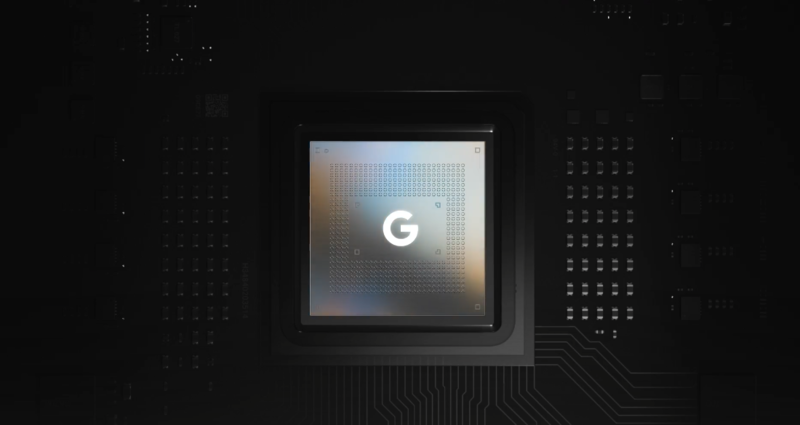
The new Tensor chipset provides flagship levels of raw power and Google says it’s 80% faster than the Pixel 5. I couldn’t see any difference in everyday use between the Pixel 6 Pro and any of the other flagships I’ve used this year.
In benchmarks, it comes close to matching the Snapdragon 888 and I was able to play games like Call of Duty mobile with max graphic settings with no frame drops. It’s leaps ahead of the processor that was in last year’s Pixel 5.
Where the Tensor chipset really shines is in other areas such as AI and ML (machine learning). One feature, in particular, that really impressed me is the speech to text. This works instantly and on device without the need to go to the cloud. This is a practical feature too for things like hands-free dictation to send messages or write emails or even documents if that’s something you could do. I found it way more accurate than the Pixel 5 and unlike the latter, it knows when to punctuate with commas and full stops etc. It doesn’t always get it right but it is far more usable and useful than ever before.
Although the Pixel 6 Pro has a larger 5,003mAh pack and the non-Pro has a smaller 4,614mAh, I found both phones were able to last a full day of heavy use with plenty left in the tank. I will say that battery life improved over the few weeks I’ve been using them and that turning off 5G also helped maximise performance. Most days I was left with more than 30% battery after a heavy day of use. Those who aren’t heavy users should get up to two days.
Like so many new flagships, you don’t get any charging brick in the box. This isn’t a deal-breaker if you already have a USB-C power adapter. Of course, you can purchase a 30w USB-C charger from Google for €29 if you need one.
The Pixel 6 supports up to 30-watt charging but in my testing, this equated to between 90 minutes to two hours for a full charge. This doesn’t feel very fast when other manufacturers have charging times as quick as 17 minutes.
You also get wireless charging which is great and Google are due to release version two of their popular Pixel Stand for up to 23w on Pixel 6. There’s also Battery Share for wireless charging of things like wireless earbuds or smartwatches. When I tried this with a pair of Pixel Buds, the case of the buds just slid off the glossy back of the Pixel 6.
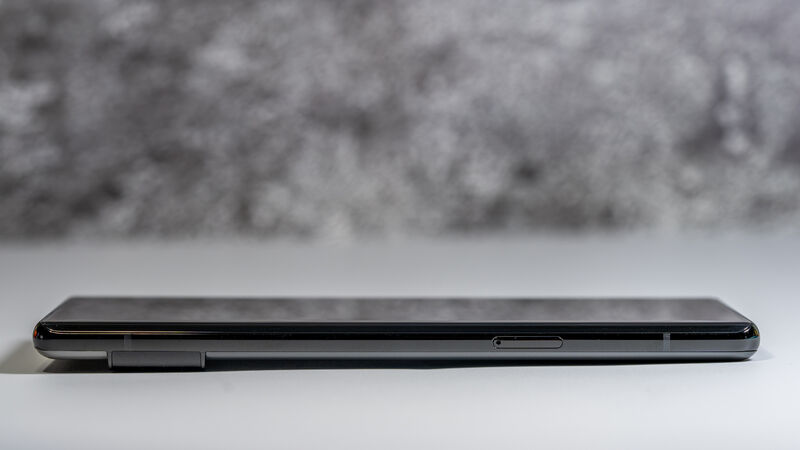
Both Pixels have loud and clear stereo speakers — vocals sound great and the stereo soundstage is nice and wide. This makes watching movies or playing games much more enjoyable if you’d rather not wear headphones.
Unfortunately, there’s no face unlock but there is an optical in-screen fingerprint sensor. I found this far less reliable than the rear-mounted sensor on the Pixel 5. I often have to try it a few times to get it to unlock and it’s not particularly fast either. Of course, this has been my personal experience and your mileage may vary. I do hope that Google releases an update that will enable a facial recognition option in the future.
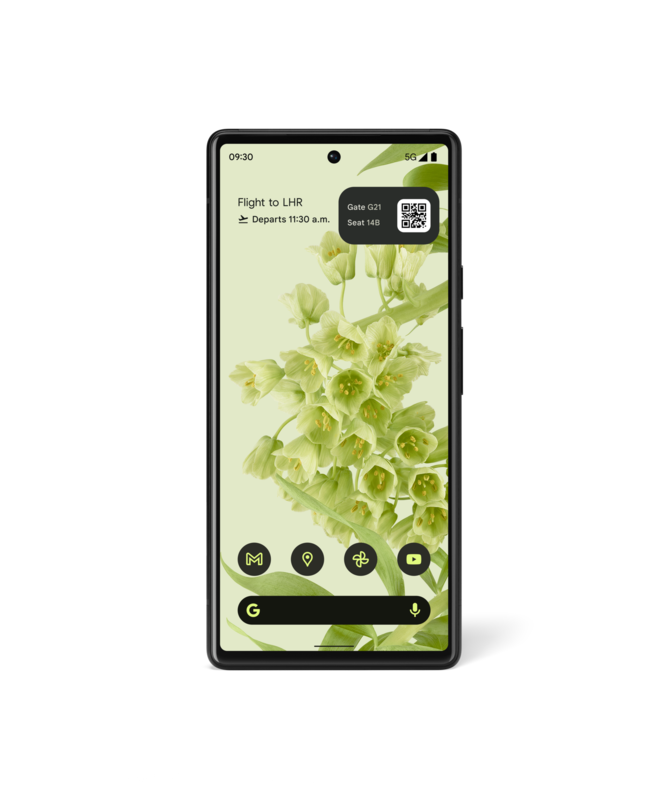
Visually, the new OS is a complete redesign and I am a big fan. I love the look, the large icons and the level of customisability. Everything looks bigger and is easier to see — great for those with ageing eyes. The animations and design elements are fun and whimsical.
The Pixel 6 includes the next-generation Titan M2, which works with Tensor security core to protect your sensitive user data, PINs and passwords. Google has also extended their support window to at least five years of security updates, so Pixel 6 has the most up-to-date protection. This doesn’t necessarily mean that Pixel 6 will get the latest OS update in five years time but it’s good to know it’s supported for this length of time.
A lot of consumers buy Pixel phones for their cameras and the new hardware on the Pixel 6 and 6 Pro is fantastic. The main camera in both phones is a new 50MP sensor. However, there’s no option to capture an image at that resolution and instead, you get photos that are pixel binned down to 12.5MP. This is standard practice on phones with high megapixel sensors but they generally allow you to save the high-resolution version — not so here. You can save it to JPEG + RAW. Opening the RAW files into Lightroom you can see the superb quality of the new large sensors without all the image processing that goes into the JPEGs.
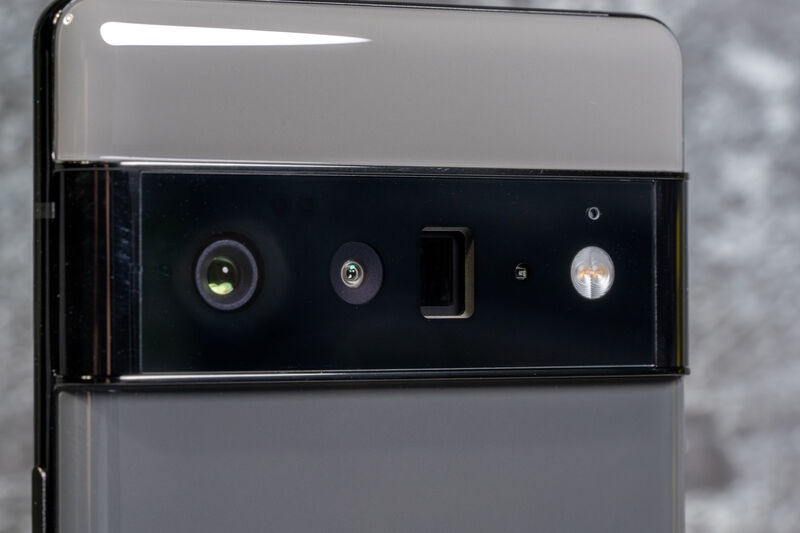
The main sensor is set behind an f/1.9 aperture lens and it has optical image stabilisation. Next to that is a 12.5MP ultrawide with a 114° field of view and an f/2.2 aperture.
Exclusive to the Pixel 6 Pro is a 4x telephoto 48MP sensor with an f/3.5 aperture and optical image stabilisation. While it’s not a dedicated macro lens, I was able to get good macro shots with it. I’ve always wondered why so many companies use the ultra-angle-lens for macro since ‘real’ macro lenses use longer telephoto focal lengths like 50mm, 90mm or even longer. With the 4x you don’t have to be as close to the subject and I found it much easier to get that macro look with good subject separation thanks to the natural out-of-focus background.
The telephoto lens is an ideal focal length for portrait shots too without having to resort to the portrait mode. The only downside with the 4x is the narrow aperture which requires more light than the main lens. This also affects the quality of its results in Night Sight mode. If you use the 4x indoors in dim light it will fall back to the main lens without telling you which has a wider, brighter lens. If you go beyond 4x in the camera then it will go back to using the 4x lens again.
The Portrait mode is good but way too aggressive blurring out the background. As a result, photos look fake with little to no fall off in the depth of field and edge detection needs improving. It would be nice if you could adjust the amount of blur before you take the shot but instead, Google has put all of the advanced features like this in the editing software. Here you can change the amount of blur or even enhance the sky in the background. If you’re willing to do a small amount of editing the results can be astounding.
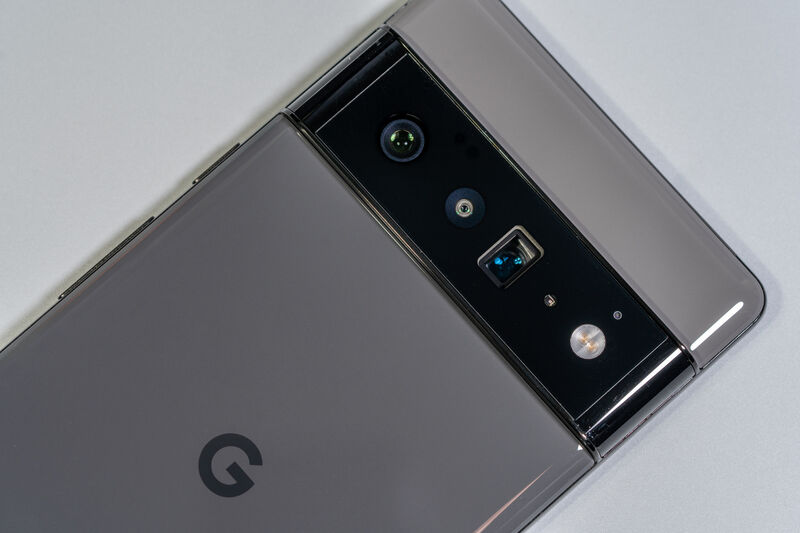
The 4x can go all the way up to 20x digitally and it’s better than I expected. However, if you’re looking for the best zoom on a smartphone then look at Samsung’s Galaxy S21 Ultra.
The new main camera is capable of capturing stunning HDR with lots of detail from the shadows to the highlights. The camera app makes it easy to point and shoot to take amazing photos but for photo enthusiasts, the extra-large sensor allows for more creative compositions with natural bokeh.
Night Sight is still great but now you’ve got more options thanks to the new sensors and focal ranges. If you’re into taking the best possible image quality on the Pixel 6 or 6 Pro, use a tripod. This will allow you to take much longer exposures for more detail and less noise. If you want to take Astro shots then you’ll have to use a tripod and the results are astounding.
Handholding the Pixel 6 while taking Night Sight shots takes practice to ensure the best possible image quality as it takes longer than other smartphones I’ve used recently to capture the photo.
The ultra-wide lens isn’t as wide as the latest flagships from Samsung and Apple at 0.7x and it’s clearly the weakest of the bunch with softer details but it’s still very good.
Video quality is dramatically improved over the previous version of Pixel and now the front-facing camera can shoot 4K at 30fps on the 6 Pro and 1080P at up to 60fps on the Pixel 6.
The image stabilisation in video still presents some weirdness in colour processing and jitters at times. This won’t bother most and could be fixed in future updates. In general, video quality is excellent and you can record up to 4K 60fps.
One of the most talked-about features on Pixel 6 is the Magic Eraser which is aptly named. You can open an image just taken or an old one on the Pixel 6 and the Tensor chip and AI will detect objects or subjects in the scene and suggest ones that you can erase. This works the same as subject selection and content-aware fill in PhotoShop but it makes it so easy for anyone to be able to take out that photobomber, overhead lines or other unwanted things in your photo.
The new action panning and long exposure options can produce stunning results in the right hands.
The Pixel 6 starts at €649 and comes with 128GB of storage, 8GB of RAM and has a standard wide and ultrawide camera. It has a flat 6.4-inch FHD+ OLED screen with a 90Hz refresh rate and an 8MP front-facing camera.
The Pixel 6 Pro starts at €899 and also comes with 128GB of storage but 12GB of RAM and it adds a 4x telephoto camera alongside the same wide and ultrawide camera found on the Pixel 6. It's got a 6.7-inch QHD+ LTPO screen with a variable refresh rate from 10Hz up to 120 Hertz and it has curved sides. The front camera is 11.1MP on the Pro and has a wider 94-degree field of view than the standard Pixel 6 which has an 8.1MP sensor with an 84-degree field of view.
The 6 Pro uses Gorilla Glass Vicus on the cover and back while the non-Pro only gets the latter on the front and Gorilla Glass 6 on the back. Either way, like any glass phone, they’re breakable and will scratch so a screen protector and case is advisable.
Having played with both phones for the last few weeks, it can be hard to tell them apart and while the Pro is larger, it’s not by much and there’s little to no difference in the weight — just 3 grams.
The Pixel 6 and Pixel 6 Pro are excellent devices and among the best Android phones you can buy right now. These are Google’s flagship phones and as such offer excellent value.
In particular, the Pixel 6 is exceptional value for money at €649 and it will continue to improve as updates roll out. The real question is whether the €250 premium for the Pro is justified. If you like the smaller size, the flat screen and don’t mind not having the 4x telephoto camera then the Pixel 6 is the way to go.
Going between the two, I really enjoyed the extra screen size, 120Hz refresh and 4x lens on the Pro and that would be my preference.
The Google Pixel 6 Pro is available exclusively on the Google Store from €899.00. The Google Pixel 6 is available through our retail partner Vodafone Ireland (online and in store) and the Google Store from €649.99 (PAYG or free on RED Unlimited Max tariff with Vodafone).
CONNECT WITH US TODAY



Be the first to know the latest news and updates