Apple expected to unveil larger iPhone and finally reveal its fabled smartwatch
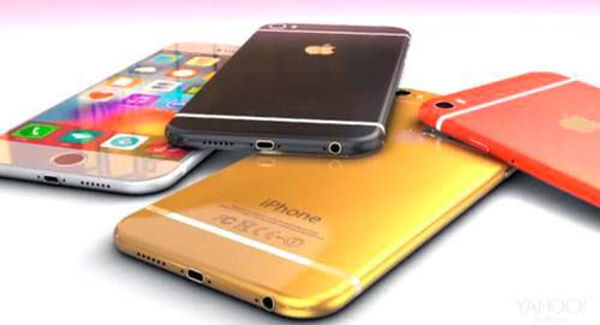
From rumours about multiple iPhone 6s to murmurs of new iPads, and even reports of the fabled iWatch, it looks like this mystery event could be one of the biggest Apple has hosted in a long time.
Apple is widely expected to unveil not one but two new versions of its iPhone 6, a 4.7-inch model and a 5.5-inch model.
For starters, the phone’s sizes will be significantly larger than the current iPhone 5s, which measures 4 inches diagonally.
By comparison, Samsung’s flagship smartphone, the Galaxy S5, has a 5.1-inch screen.
The vast majority of Android and Windows smartphones on the market today offer displays that are larger than 4 inches, and it looks like Apple are moving in the same direction.
According to reports, the iPhone 6 will sport a slimmer, more rounded design than the iPhone 5s and a higher display resolution, meaning that photos, videos, and webpages will look sharper. Reports also indicate that the next iPhone may use what’s called a sapphire crystal display, making the screen more durable and crack resistant.
There has been much talk about whether Apple has enough sapphire crystal on hand to produce displays for all of its 4.7-inch and 5.5-inch iPhones.
Analyst Matt Margolis believes all 5.5-inch iPhone 6 models will get crystal sapphire displays, while only some 4.7-inch models will get them. The remaining 4.7-inch iPhones, Margolis claims, will receive normal Gorilla Glass displays, which make up current iPhone screens. The two iPhones are also expected to receive more powerful A8 processors than the A7s found in the iPhone 5s, which could give the next-generation iPhone a significant performance boost.
An improved M7 co-processor could include a barometer and an air pressure sensor.
A near-field communication, or NFC, sensor that will allow owners to make wireless payments from the handset, is also in the mix.
Beyond their hardware, both iPhone 6 models will come loaded with Apple’s iOS 8, which sports an updated interface and Apple’s new HealthKit platform for use with fitness and health apps.
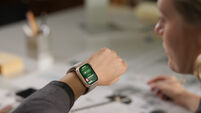
Elsewhere, Apple’s iWatch is practically a thing of legend at this point, but it’s looking more and more likely that the fabled smartwatch will make its debut on September 9.
Little is known about how the iWatch will look or what kind of features it will have, but reports point to a 2.5-inch rectangular display.
Other rumours indicate that the watch could pack as many as 10 sensors, which would work with iOS 8’s aforementioned HealthKit. The iWatch could also include a heart-rate monitor, as well as the ability to measure how much UV radiation you’re absorbing from the sun.
Above all, it looks as though the iWatch will be every bit as stylish as Apple’s iPhone since they poached luxury watchmaker TAG Heuer’s vice president of sales and retail, Patrick Pruniaux.
Apple may also roll out a new version of its iPad Air. The iPad Air 2 is expected to get a faster processor similar to the A8 chip that is going into the iPhone 6, as well as a Touch ID fingerprint sensor.
According to Business Insider, the iPad Air 2 could also get an improved camera sporting an 8-megapixel sensor rather than the 5-megapixel sensor found in the current Air.
Reports also indicate that Apple is working on a massive 12.9-inch iPad Pro that would be geared toward businesspeople, though may make its debut in early 2015.
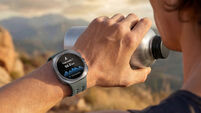
Samsung and LG have unveiled small improvements to their computerised wristwatches to try to attract new customers.
Samsung’s latest version can do more without a smartphone to go with it. LG’s has a round screen.
Apple is also believed to be working on its own smartwatch, and may announce it on September 9.
Smartwatches are another product technology companies can offer, since many people already have smartphones and tablet computers. But companies have yet to make a strong case for why everyday consumers need smartwatches, especially when so far, they have had little functionality without a phone nearby.
Samsung’s new Gear S, the company’s fourth major smartwatch in a year, will have 3G cellular connectivity, so that it can receive notifications directly from social networks, calendars and other apps.
The Gear S promises to offer turn-by-turn walking directions using mapping data from Nokia’s Here service.
It also promises to make and receive phone calls, though it’s not clear how that will work without its own phone number.
For this watch, Samsung is using a fledging operating system called Tizen rather than Google’s Android Wear, which Google has promoted as a way for the same apps to work with watches from competing manufacturers.
The new watch will have a screen that measures two inches diagonally, which is slightly larger than those on Samsung’s previous watches.
The display will be curved to fit better around the wrist.
Samsung on Thursday also unveiled a headset called Gear Circle.
LG Electronics unveiled a watch with a 1.3-inch circular screen — a departure from the rectangular design that was found in previous smartwatches from LG and others.
Like the G Watch that came out in June, the new G Watch R will use Google’s Android Wear system.

CONNECT WITH US TODAY



Be the first to know the latest news and updates