Irish consumer sentiment bucks global trends - but fears for higher prices
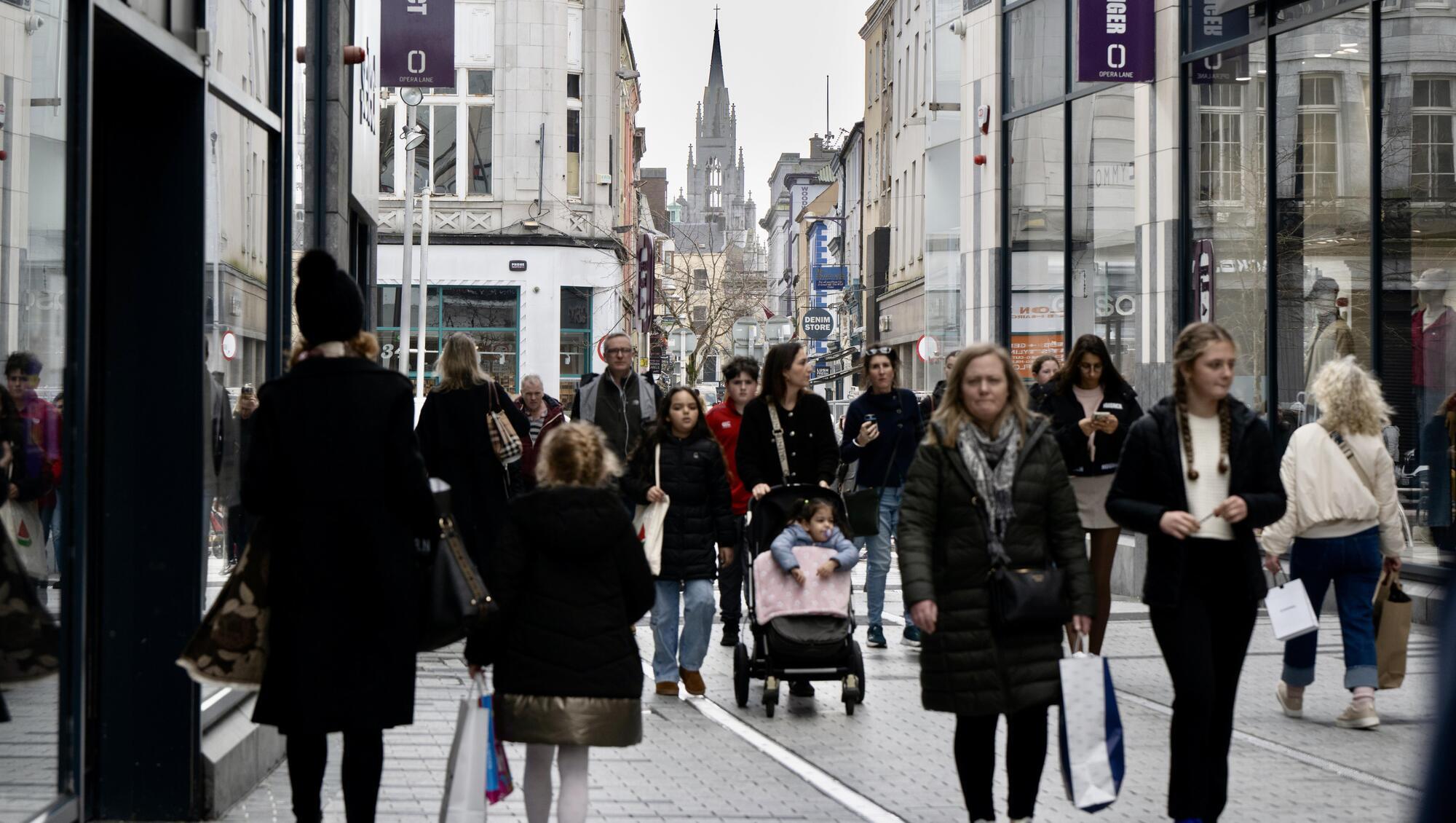
More than three quarters of Irish consumers expect they will be facing higher household costs next year, as the cost of living and the energy crises bite into 2027. Picture Chani Anderson
More than three quarters of Irish consumers expect they will be facing higher household costs next year, as the cost of living and the energy crises bite into 2027.
The latest Credit Union Consumer Sentiment survey shows that in the wake of the Budget announcement, Irish consumer sentiment held broadly steady in October, albeit at a subdued level. The Irish consumer sentiment reading for October at 61.6 was marginally above the 59.6 average of the previous seven months but materially below the 83.0 30-year average of sentiment survey.
Read More
Three out of four Irish consumers (77%) expect their household living costs will increase in 2027, with one in four consumers (27%) expecting their costs to rise by a large amount. In contrast, just over one in three consumers (38%) expect their household income to increase in 2027.
Just 13% of consumers expect their household living costs to fall in 2027 but nearly twice as many consumers (24%) surveyed think their household income will be lower next year.
The report found 38% of consumers surveyed indicate they are ‘comfortable’ financially at present but 19% say they are cutting back. A further 10% say they are struggling to pay bills and 5% say they’re now falling behind on essential expenses.
‘‘ "More importantly, the survey highlights the diverse financial circumstances facing households across the country," said Irish League of Credit Unions chief executive David Malone.
The slight increase in Irish consumer sentiment in October does contrast with further weakness in confidence measures in many other countries, with Euro area consumer confidence at its weakest since May. Heavyweight France sees consumer confidence at its lowest since 2013, while UK consumer confidence saw its largest monthly fall since the pandemic in 2020 as Andy Burnham's honeymoon period as prime minister starts to wane.
The increase in consumer confidence came despite higher energy prices in Ireland. "October saw significant reductions in fuel taxes in a range of European countries, most notably in Germany, Greece, and Spain, that led to lower retail motor fuel prices. Both the US and UK saw steady to slightly lower motor fuel costs between late September and mid-October. In contrast, Irish motor fuel costs rose materially between the September and October survey periods, suggesting some other domestic development provided support to Irish consumer sentiment in October," the report said.
"The survey results suggest that the package of measures presented in Budget ’27 in early October did not markedly alter Irish consumer thinking on the economy or their own personal finances. That said, the marginal improvement in sentiment may suggest that, at very least, the Budget did not disappoint relative to Irish consumers’ expectations."
The sentiment survey noted that the public sector pay dispute, which saw teachers and members of the medical profession take part in a strike on October 14, does not appear to have impacted thinking on the outlook for the labour market. However since then, talks with unions have stalled and up to 300,000 State employees could stage another all-out strike later this month.

CONNECT WITH US TODAY



Be the first to know the latest news and updates