Less than half of young people believe Ireland offers them a good financial future, study finds
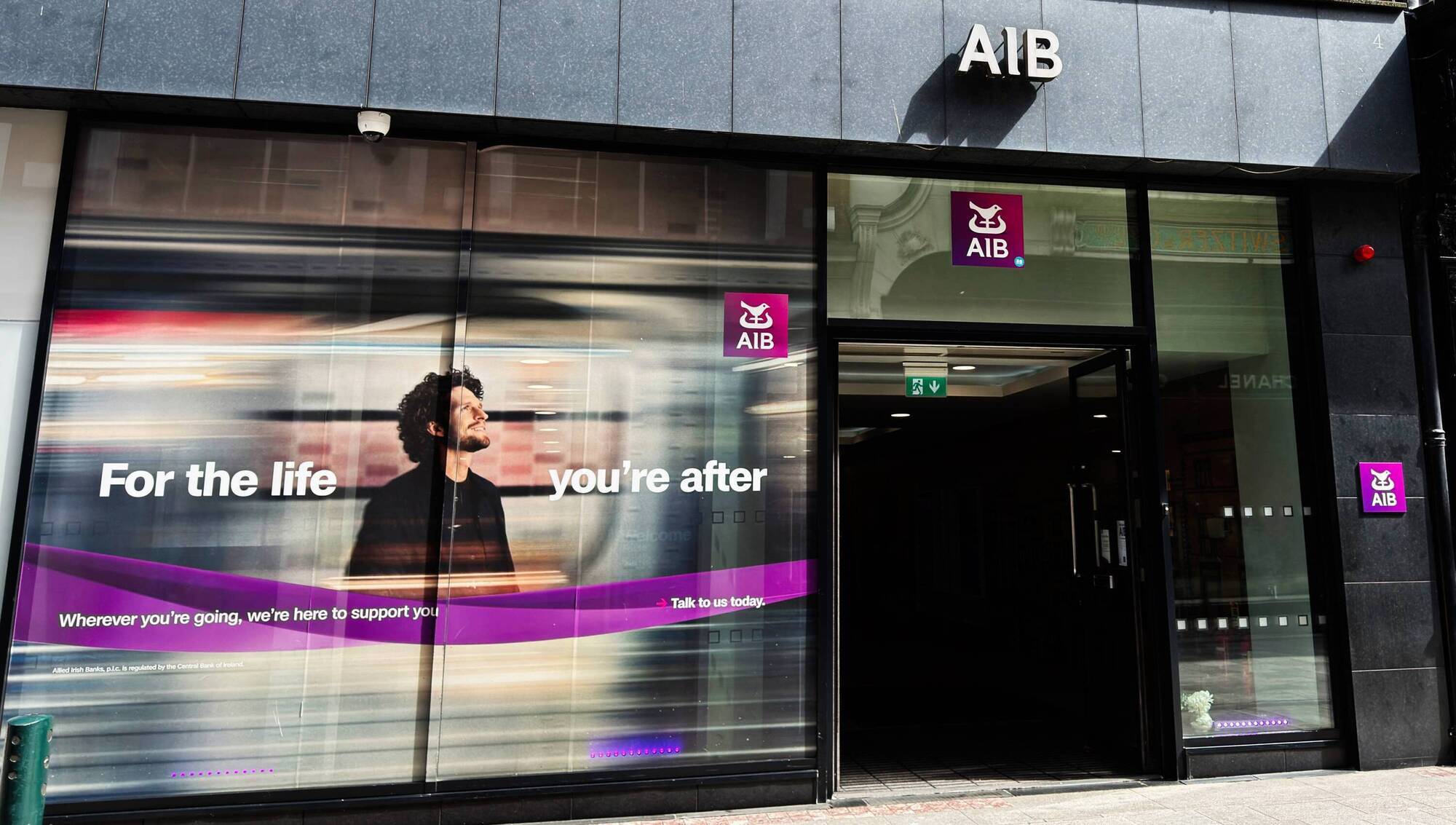
'Young people haven't inherited the same financial playbook their parents did. They’ve inherited a world with more financial decisions and more uncertainty,' said AIB chief economist David McNamara.
Just 42% of young people believe Ireland offers them a good financial future, and fewer still are prioritising home ownership, a study of the country's youth economy by AIB has found.
The report, called 'The Youth Economy Decoded', was led by AIB’s chief economist David McNamara, alongside Ipsos and The Youth Lab at THINKHOUSE, and analysed the financial perspectives of Ireland’s 16 to 24-year-olds.
It found improvements in the economic wellbeing of the estimated 630,000 young people in Ireland between 2022 and 2024, followed by a plateau and modest decline through 2026.
The trend reflects rising youth unemployment, which stood at 12.5% in September 2026, and slower growth in youth spending amid higher inflation.
Despite this, 68% of the survey respondents said they were hopeful about their own financial future.
"We’re figuring out how to build financial security while the world around us keeps changing," said survey participant Alex (24).
TikTok, YouTube, Reddit and AI,5 are the primary sources of financial education for almost half of the young people surveyed, while parents remain their most trusted source of financial advice.
In the context of low home-ownership rates for 25 to 39-year-olds, according to CSO data from 2022, only 15% of participants said they were actively saving for a house deposit.
Those who described themselves as financially confident were three times as likely to save and five times as likely to invest — 36% of those who saved had €1,000 or more in their accounts, while 19% had €5,000 or more saved.
Diversifying income streams appears to be a way young people are building wealth "horizontally", said Dr Stephen Kinsella, professor of economics at University of Limerick, who contributed to the report.
A quarter said they had at least one alternative income stream, including online selling, freelance work, creator income or gig work. Seventy three per cent of 16–24-year-olds said they used multiple financial providers, and 34% had two or more income sources.
The report found more than two-thirds of the participants had entrepreneurial intent, through running a business, side hustles, or aiming to start a business. However, it also found young women aged 16 to 24 were more likely than men to say starting a business felt out of reach for them (40% versus 29%).
Value-based spending is an important aspect of young people's financial perspective, according to the report. In the past year, 88% took at least one values-based spending action, such as buying second-hand, supporting ethical brands, or checking provenance.
"Demographic change in a rapidly ageing Ireland means we will increasingly depend on young people's productivity, innovation and entrepreneurship," noted AIB chief economist David McNamara.
"Young people haven't inherited the same financial playbook their parents did. They’ve inherited a world with more financial decisions and more uncertainty," he added
"However, they are already shaping the economy through how they learn, earn, spend, save, build businesses and adopt new financial technologies.”
CONNECT WITH US TODAY



Be the first to know the latest news and updates