Indexing tax credits and bands would favour high earners over low-paid, Social Justice Ireland warns
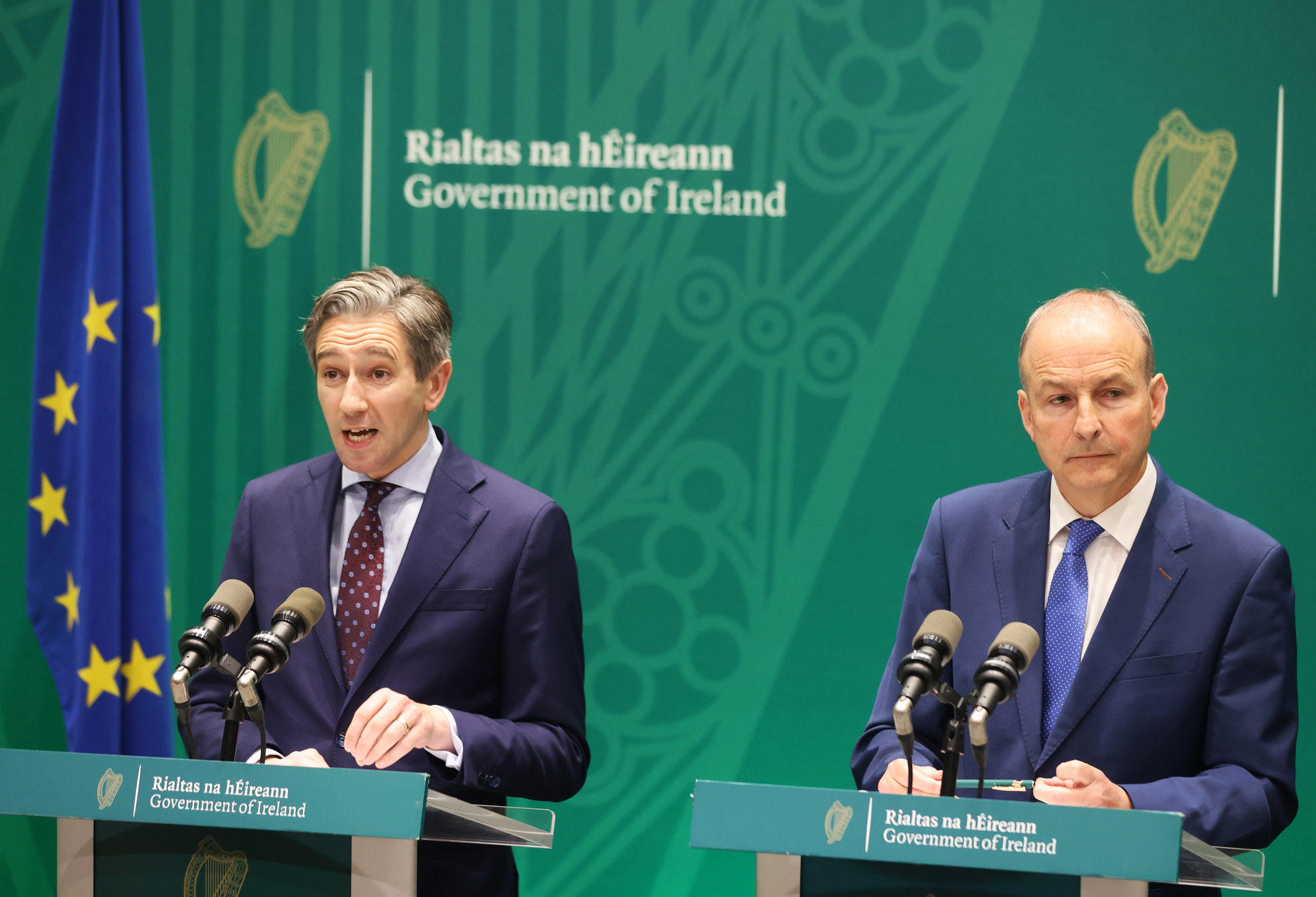
In its Summer Economic Statement, the Government committed to an overall Budget 2027 package of €8.5bn, with €7bn in additional spending and a €1.5bn tax package.
Several of the income tax reliefs most likely to feature in the upcoming Budget would deliver the bulk of their benefit to higher earners, Social Justice Ireland has warned and urged the Government to instead put the focus on increasing tax credits.
In a pre-Budget report, the think-tank compared eight possible income tax changes, each costing between €482m and €635m a year, or 1.2% to 1.6% of the State's annual income tax take. It found that just three would spread gains fairly across income levels: raising the personal tax credit, abolishing the 0.5% USC rate alongside a one-point cut to the 2% rate, and a stand-alone 1.25-point cut to the 2% USC rate.
They said the other five scenarios, cutting the top tax rate to 39%, cutting the standard rate to 19.5%, widening the standard rate band by €2,000, and reductions in the 3% and 8% USC rates, deliver little or nothing to low and middle earners while concentrating gains higher up the income scale, the analysis found.
Social Justice Ireland said increasing the standard rate band provides gains which are skewed towards higher incomes. "A single earner on €25,000 gains nothing from this reform, and gains are only experienced by single individuals with incomes over €44,000, one-earner couples above €53,000 and couples with two earners with a gross income above €88,000," they said.
In its Summer Economic Statement, the Government committed to an overall Budget 2027 package of €8.5bn, with €7bn in additional spending and a €1.5bn tax package.
Social Justice Ireland said it is of concern that a large proportion of recent political and policy discussion has been on income tax reductions. "Memories of similar discussions in the run up to the economic crash, when income taxes were at similarly low levels, seem to be already forgotten. Can we afford to let history repeat itself?," they asked.
Analysing the Government's commitment to index tax credits and the standard rate band to wage growth, the report states that a 4% rise in average wages, would raise the main tax credits by €80 each and widen the standard rate band by €1,760. That would leave a single earner on €25,000 just €80 better off, with the full gain only reaching single earners above €45,760, they said.
Instead, they said a credits-only alternative that would raise the personal, PAYE and earned income credits by €160 each, at a similar cost, would deliver its full benefit to single earners above €21,600, one-earner couples above €32,400 and two-earner couples above €43,200, reaching far more low and middle earners, the think tank said.
"In terms of fairness the analysis shows clear differences between the proposals. Indexing the income taxation system distributes the gains towards those on higher incomes. In contrast, increasing the various tax credits spreads the benefits more evenly across all earners with an income tax liability," they said.
"If there is to be an income tax package in Budget 2027, we encourage Government to focus it on increasing income tax credits. We also suggest that it uses the remainder of the available tax package funds (approximately €500m) to address those low income earners who will not benefit from any of these tax choices."
Social Justice Ireland said the introduction of a system of refundable tax credits, where any unused portion of the employee/PAYE and earned-income tax credit would be refunded to a working household, would address this issue. "It is an overdue reform and one we estimate would cost €210m to introduce," they said.

CONNECT WITH US TODAY



Be the first to know the latest news and updates