House prices rise by 6.2% in May as 'two-tier market' emerges between Dublin and rest of Ireland
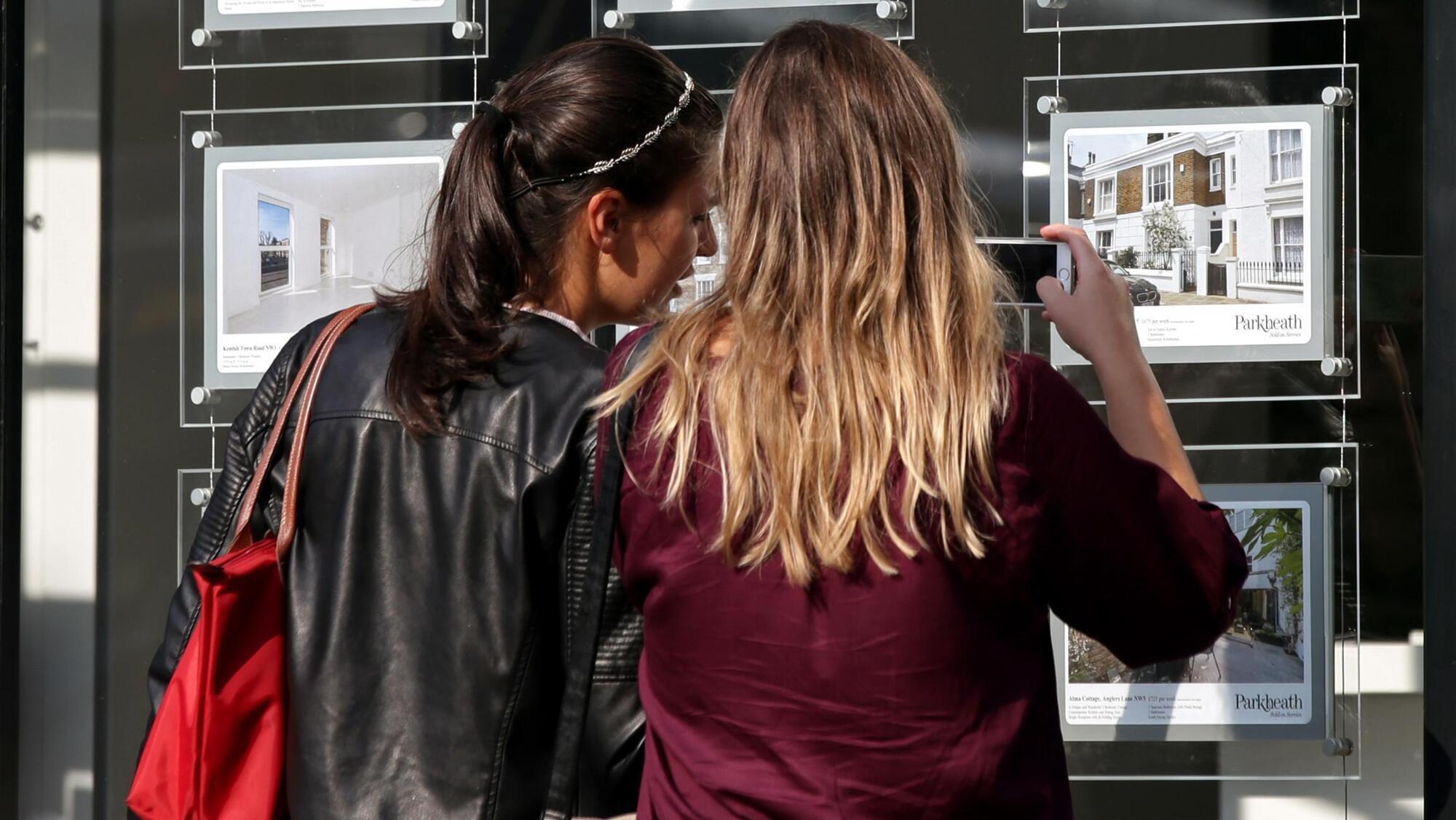
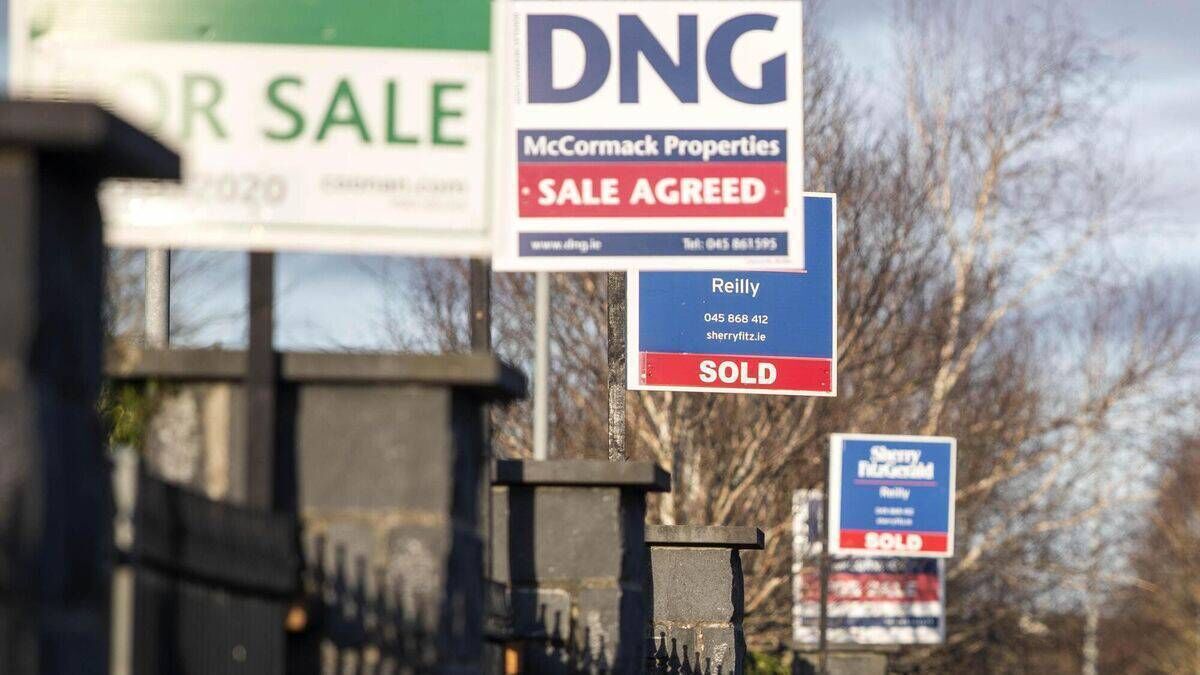
Within Dublin, the median average price for a home was €500,000, while in Cork, the average price was €395,000. Photo credit: Yui Mok/PA Wire
House prices rose by 6.2% on an annual basis in May, which was unchanged from the previous month, new figures from the Central Statistics Office (CSO) shows.
Residential price inflation has continued to moderate from its recent peak of over 10% in August 2024, with the median price of a home purchased in the last 12 months totalling €395,000.
The CSO reported that the cost of buying a property rose by 4.7% in Dublin, while outside of the capital, prices rose by 7.3%.
Within Dublin, the median average price for a home was €500,000, while in Cork, the average price was €395,000.
The most expensive area in the capital was Dún Laoghaire Rathdown at €685,325, the CSO said, and the least expensive was Fingal and Dublin City at €480,000.
Outside the capital, the most expensive region was Wicklow, with a median price of €470,000, while the least expensive was Longford at €198,000.
The region outside of Dublin that saw the largest growth in house prices was the Midlands (Laois, Longford, Offaly, and Westmeath) at 13.2%, while at the other end of the scale, the South-West (Cork and Kerry) saw a rise of 4.2%, CSO statistician Samantha Walsh said.
The most expensive Eircode area over the 12 months to May 2026 was A94 (Blackrock, Dublin) with a median price of €850,000, while F45 (Castlerea, Roscommon) had the lowest median price of €155,000.
Property prices are now 25% above the highest level at the peak of the property boom in April 2007. Dublin residential property prices are just over 10% higher than their February 2007 peak, while residential property prices in the rest of Ireland are almost 30% higher than their May 2007 peak.
Nationally, property prices have risen by over 180% from their lowest point in early 2013, with Dublin prices growing by 173% from their February 2012 low and the rest of Ireland increasing by 197% from their trough in May 2013.
Speaking on the data, chairperson of Irish Mortgage Advisors Trevor Grant said the CSO's figures will come as a relief to first-time buyers.
"Summer tends to be a quieter period for house sales, so there could be a let-up in the pace of house price growth over the coming months, though any such let-up could well prove short-lived once the autumn selling season picks up in September and October.
"We're continuing to see a two-tier market emerge. Dublin has clearly softened, with some evidence of asking and sale prices easing back in the capital, while price growth outside Dublin remains considerably stronger, driven by the shortage of stock in many regional areas.
Mr Grant said that this reflected how squeezed supply was outside Ireland's main cities with a growing population, rather than a sign of the market turning.
"But there is better news on the house building front. House build completions in the first three months of the year were at their highest first quarter level since records began. But it will take a sustained pipeline of delivery, not just one strong quarter, to make a real impact."
In May, some 3,861 dwelling purchases by households were filed with the Revenue Commissioners at a total value of €1.71bn. The CSO said these purchases were made up of 2,781 existing dwellings and 1,080 new dwellings. Revenue data also shows there were 1,630 first-time buyer purchases in May.

CONNECT WITH US TODAY



Be the first to know the latest news and updates