Eurozone interest rate hike to put ECB at vanguard of global tightening
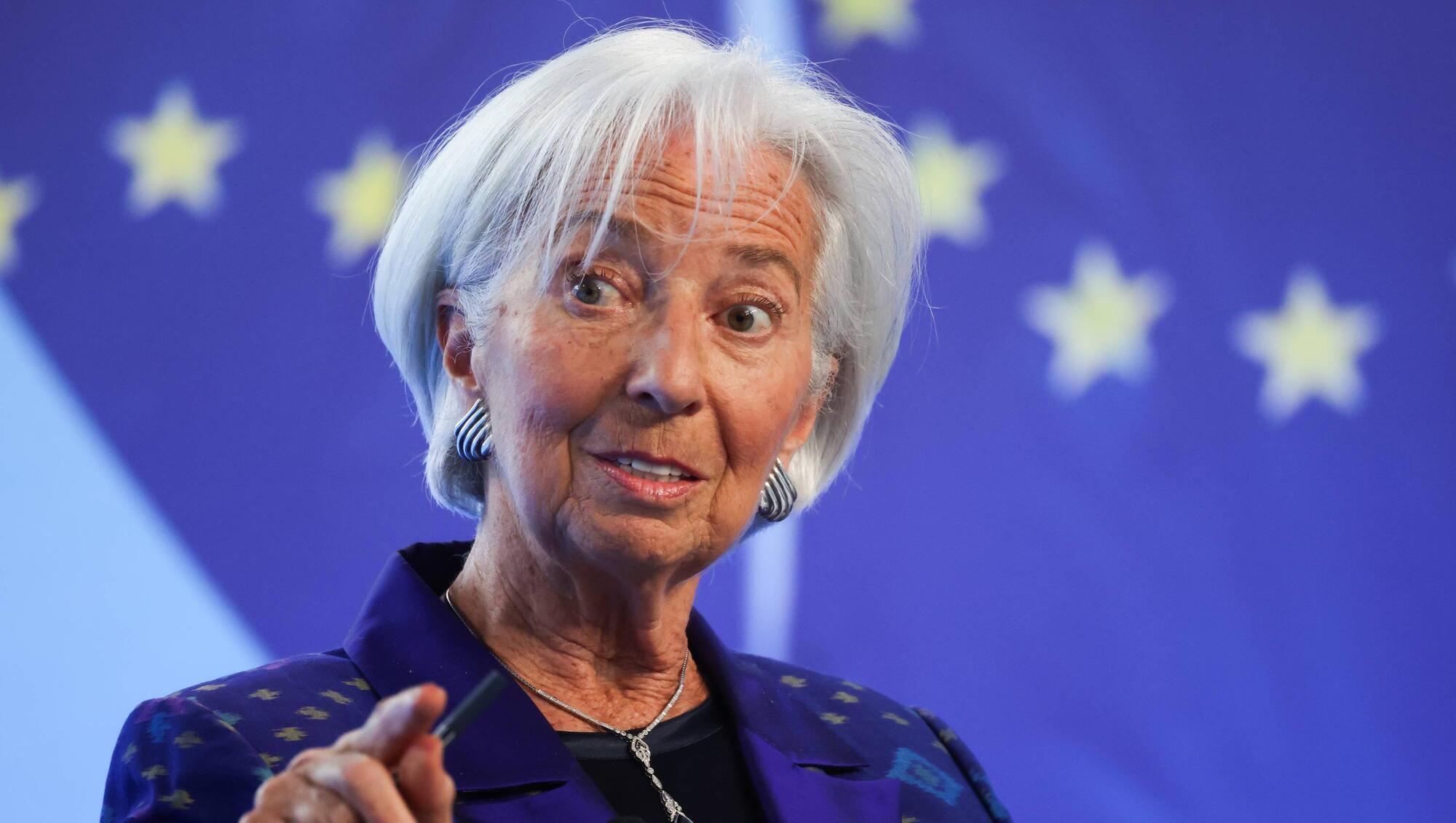
Unless Christine Lagarde and her colleagues challenge current investor bets, monetary policy will stay on track for further tightening, with at least one more hike penciled in for the remainder of the year.
A eurozone interest rate hike in the coming week is set to place the European Central Bank (ECB) at the vanguard of global tightening caused by the Iran war.
The quarter-point increase expected for Thursday would be the most notable move so far, given that similar action in advanced economies has taken effect in much smaller jurisdictions from Australia to Norway.
Unless ECB president Christine Lagarde and her colleagues challenge current investor bets, monetary policy will stay on track for further tightening, with at least one more hike penciled in for the remainder of the year.
This comes as growth across the bloc is shown to be much slower than previously expected.
Data published on Friday showed that the eurozone’s gross domestic product (GDP) fell in the first quarter of this year, instead of climbing as economists forecast, due to a sharp downward restatement for Ireland.
Earlier last week, the OECD said the eurozone will grow just 0.8% this year, warning of “deteriorating sentiment".
While observers anticipate a similar trajectory from the Bank of Japan, which has a much lower benchmark, other Group of Seven central banks are far less inclined to raise borrowing costs at present.
On the eve of the ECB decision, the Bank of Canada may hold its own rate at the same level that’s prevailed since October. And later this month, both the US Federal Reserve and Bank of England are likely to keep settings unchanged as they watch the impact from the Iran conflict play out.
The response of officials in Frankfurt to the energy shock unleashed by US president Donald Trump’s attack on Iran will aim to ensure that the fastest eurozone inflation since 2023 doesn’t become entrenched.
However, their action will come at the cost of constriction to an economy whose underlying momentum was already feeble. The trade-off will become starker if policymakers persist with further tightening.
Different scenarios of how the shock might unfold in the region will be released alongside quarterly forecasts. Ms Lagarde will present those at a press conference following the decision.
After job growth for May blew out forecasts in the US, the focus is back on inflation. The May Consumer Price Index due on Wednesday is expected to jump by 4.2% from a year earlier — the highest rate in more than three years.
The core Consumer Price Index measure, which excludes energy and food, is seen cooling slightly on a monthly basis, potentially providing a welcome signal to Fed policymakers. The producer price index on Thursday will offer further insight on the impact of the Iran conflict along the supply chain.
Economists are watching the PPI report for components that feed into the Fed’s preferred inflation gauge, the personal consumption expenditures price index, due later in the month.
Other reports in the coming week include May existing-home sales on Tuesday and the preliminary June consumer sentiment index from the University of Michigan on Friday.
A blackout period for Fed officials kicked off Saturday ahead of new Fed chairman Kevin Warsh’s first federal open market Committee meeting, starting on June 16.
- Bloomberg

CONNECT WITH US TODAY



Be the first to know the latest news and updates