Good weather fuels spending on flowers and landscaping while total monthly payments fall
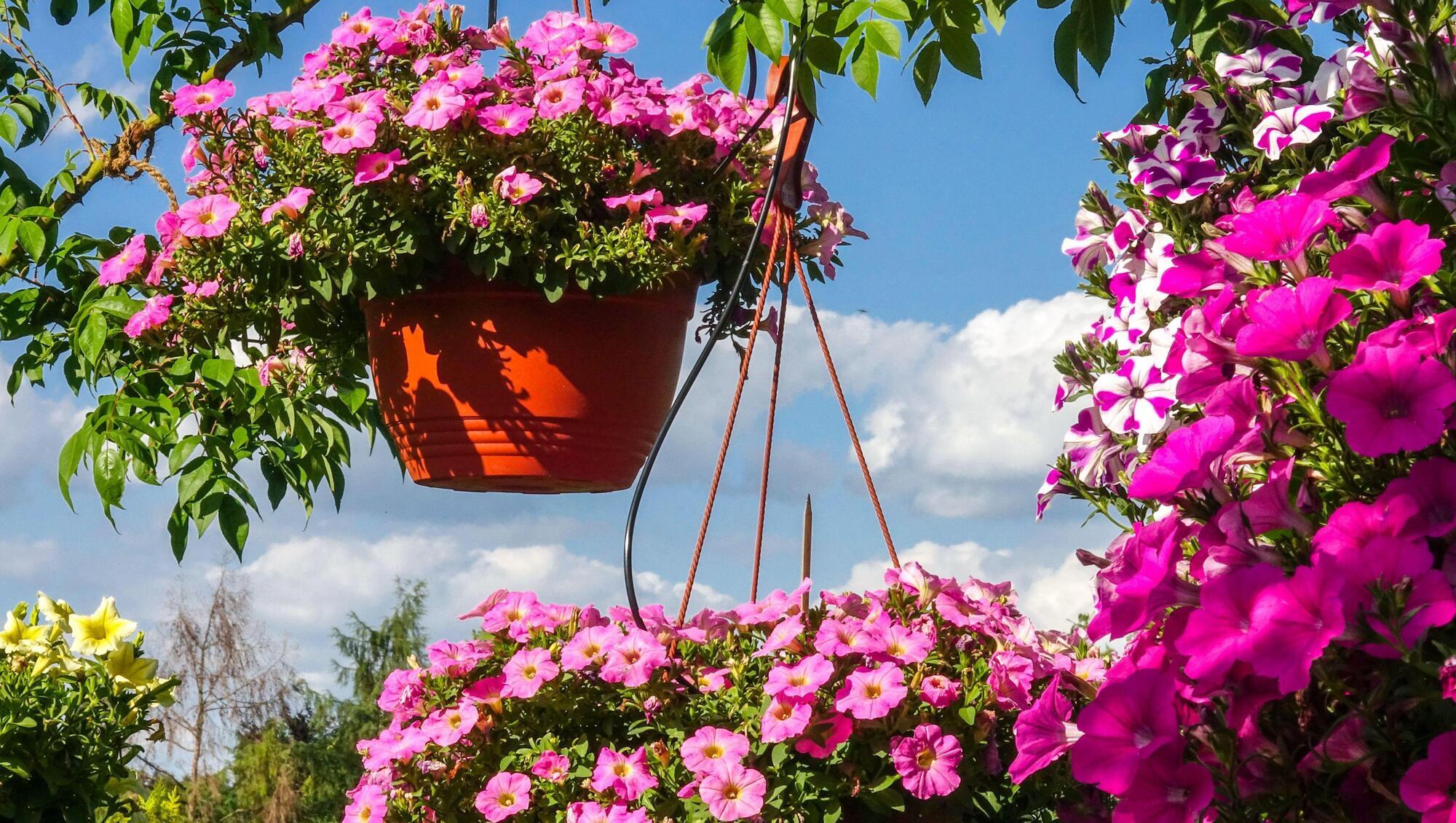
The run of good weather late in May drove a big jump in spending at florists, up almost 62%
A surge in spending at florists and on landscaping services in May was not enough to match expenditure in the same period last year, with card payments by Bank of Ireland customers falling by 3.6% annually.
New data released by the lender on Friday shows that despite the overall drop in debit and credit card spending, several sectors still saw strong growth.
The run of good weather late in May drove a big jump in spending at florists, up almost 62%, and at landscaping services, up 56% compared with the same month last year.
Electrical goods saw the strongest increase in retail spending, growing by almost 12% in May compared to last year, while subscription spending surged by almost 13%, highlighting ongoing consumer demand for digital services, the lender said.
Bank of Ireland also found a strong performance in the hospitality sector, with spending in restaurants and bars up almost 7% annually and entertainment up almost 3%. The lender said the data points to consumers continuing to prioritise fun experiences.
Spend on clothing declined among Bank of Ireland customers, falling by 8%, while air travel and car rentals showed a softening in travel demand, dropping by 6.4% and 6.7% respectively.
Charitable donations slipped slightly by 1.8%, which the bank said pointed to tighter discretionary budgets. There was also a fall in ATM withdrawals, which fell by over 7% compared to May last year.
Essential spending remained broadly stable, with grocery spending seeing a modest increase of 0.6%, while spend on health was largely flat. Smaller increases were recorded in education and professional services at 1.2% and 2.3% respectively.
Commenting on May consumer spending, Owen Clifford, Head of Retail Sector, Bank of Ireland said: “While overall card spending softened in May, the data shows consumers are still willing to spend on fun experiences, digital services and select retail, even as pressures on discretionary budgets remain.
"Higher costs of long-haul travel and geopolitical volatility may all be contributing to reduced travel spending. It will be interesting to see if that trend continues and if the summer brings an increase in staycation spending.”

CONNECT WITH US TODAY



Be the first to know the latest news and updates