Ireland's efforts on biomethane are 30 years behind European neighbours, warns Gas Networks CEO
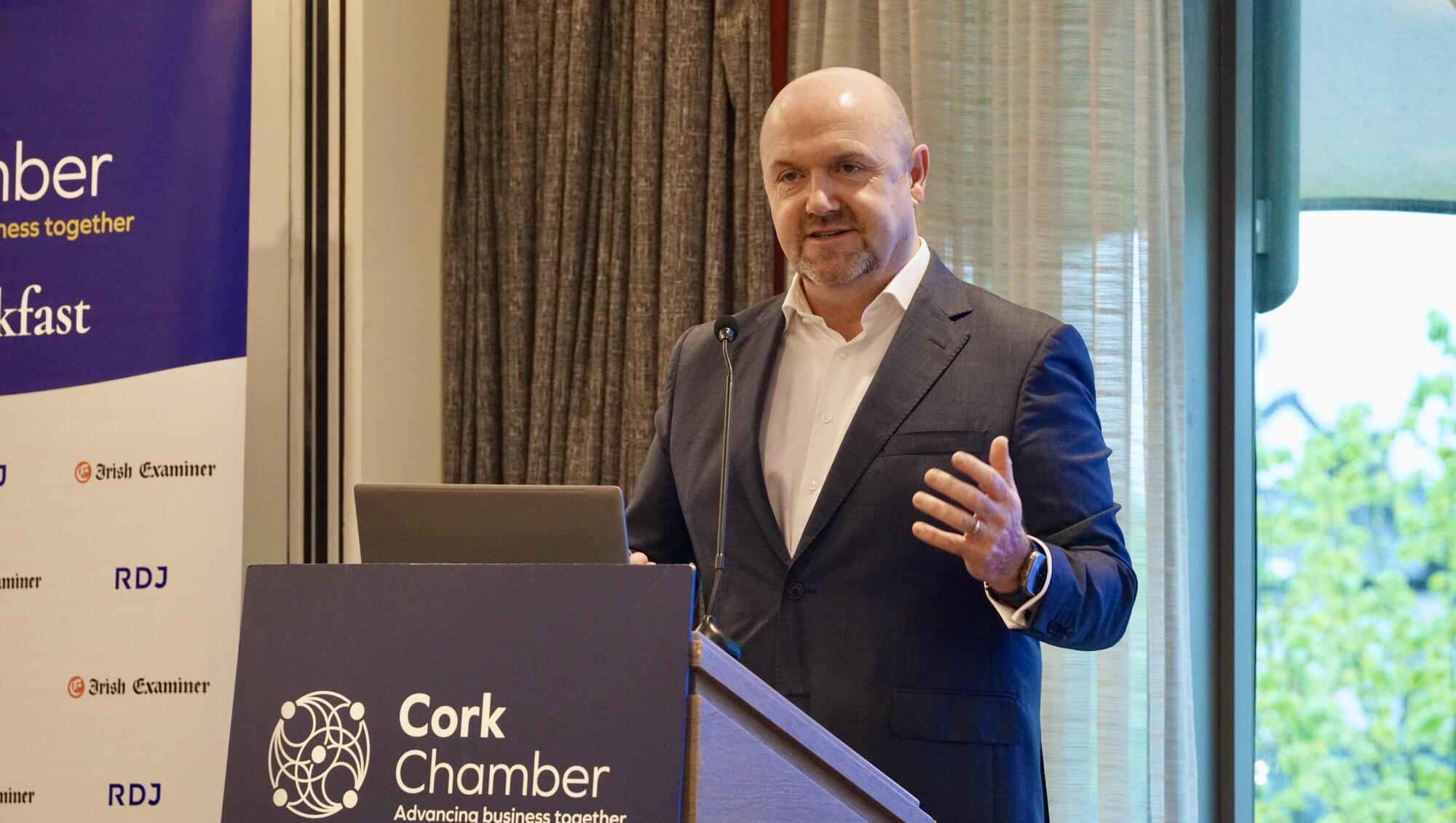
David Kelly, Chief Executive, Gas Networks Ireland. Picture by Noel Sweeney
Ireland is "late to the table" when it comes to decarbonisation despite recent momentum, with other European countries up to 30 years ahead, the chief executive of Gas Networks Ireland (GNI) has said.
Speaking at the Cork Chamber Business Breakfast on Tuesday morning, CEO David Kelly said Ireland's energy system must change, warning that the country was "fully dependent" on gas and oil.
"Oil is the dominant vector for energy in Ireland, and we have never been more aware of that than in the last six weeks since the war in the Middle East. We need to wean ourselves off our fossil dependency," Mr Kelly said.
Around half of Ireland's electricity comes from gas, the CEO noted, with 20% of that gas originating from Corrib in Co. Mayo.
"We are slowly but surely replacing the gas from Corrib with indigenous biomethane. We are seeing momentum behind it now, but it is a journey for which we are late to the table. Other countries across Europe have been at this for 25 or 30 years. But we have huge opportunities now, and it is on our agenda," Mr Kelly said.
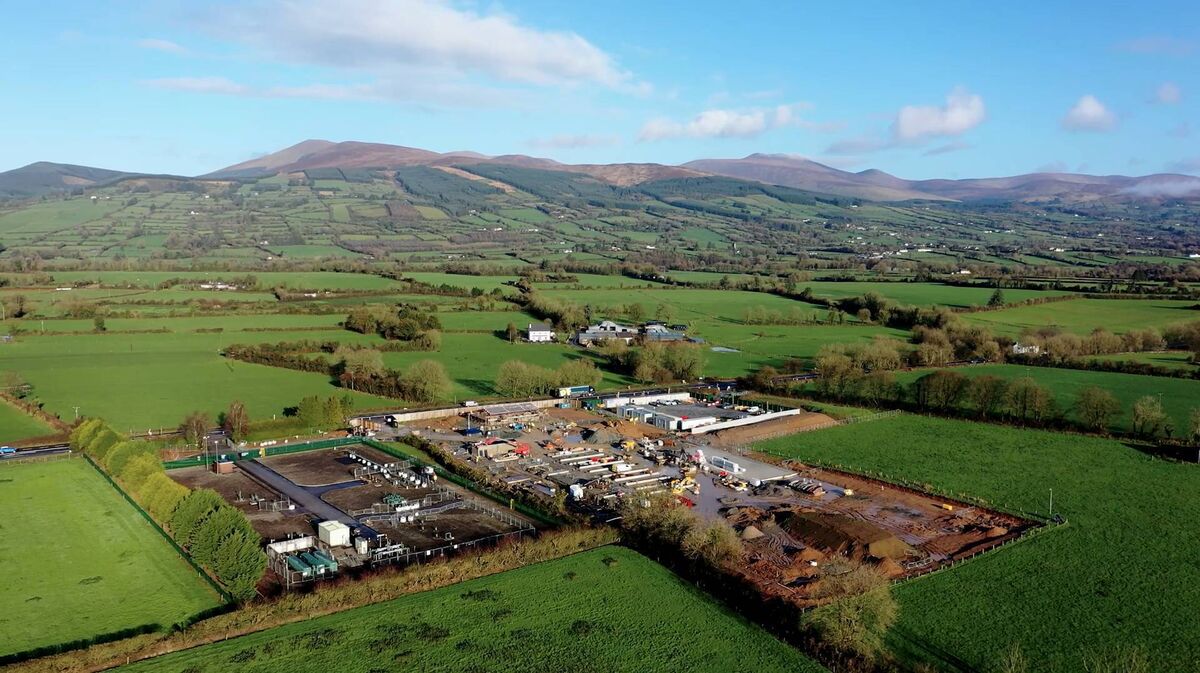
Currently, GNI's facility in Mitchelstown, Co. Cork, has the design capacity to inject up to 700 GWh of renewable gas into the gas network per year, reducing emissions by around 130,000 tonnes of CO₂ per annum when using 100% biomethane. Mr Kelly said the project is set to be fully commissioned by June, with GNI's push for biomethane largely inspired by the success of Denmark, where biomethane coverage of the country's total gas consumption can exceed 98%.
"These projects are the first of many. As I said, we are late to this, for which there are a million reasons why," the CEO said. "But we have great opportunities because Ireland has a strong agricultural sector, and we have a lot of waste.
"We are going to put that waste to use with the anaerobic digestion sector and ultimately create energy from it that powers our enterprise, cars and homes. The time for talking is over. We know what we need to do."
The GNI chief executive also noted that hydrogen was the "ultimate future" of renewable gas, but relied on the development of offshore wind to bring it to life at scale.
Currently, the Port of Cork is the only port in the State capable of hosting large-scale offshore wind, with the Government now working to fast-track offshore development after years of stagnation.
"Offshore wind is challenging, as is its commerciality," said Mr Kelly. "The commodity needs to be produced cheaply for customers, which is difficult. There are parts in Europe, notably northern Germany and the Netherlands, that are ahead on hydrogen, just like Denmark with biomethane."
Mr Kelly said that both Northern Germany and the Netherlands have significant steel industries, which Ireland does not.
"We do not have a large, indigenous hydrogen sector in Ireland. While hydrogen is still the ultimate goal - it is a zero-carbon solution - it is expensive, even referred to as champagne in certain quarters.
"We will not be producing it at scale until offshore wind comes through, but it will be the future once it becomes cost-effective."
Mr Kelly also stressed that Ireland "needs to get out of its own way" when it comes to onshore and offshore wind.
"Nobody wants a wastewater treatment plan on their doorstep, nobody wants a data centre on their doorstep. But there is the greater good, and wind is in that context."
Speaking on the current geopolitical climate, the chief executive said investment in cybersecurity has tripled in the wake of Russian spy ships hovering over Ireland's underwater infrastructure.
"We have always taken security supply very seriously. We are in the middle of a war; we have a hybrid war today. We have tripled our cybersecurity investment over the last four or five years due to the level of attack we are seeing, which is coming at us from state actors.
"Let there be no doubt, we are under threat today. 80% of our gas comes from our sub-sea infrastructure. We could not be more alert to this."
"The Government is all over this, we are absolutely all over this, but ultimately, we are an Ireland that does not take defence as seriously as we should, in my view, but that is changing."

CONNECT WITH US TODAY



Be the first to know the latest news and updates